Twiss Christian, Kilpatrick Lisa, Craske Michelle, Buffington C A Tony, Ornitz Edward, Rodríguez Larissa V, Mayer Emeran A, Naliboff Bruce D
Department of Urology, Center for Neurobiology of Stress, Los Angeles, California, USA.
J Urol. 2009 May;181(5):2127-33. doi: 10.1016/j.juro.2009.01.025. Epub 2009 Mar 14.
Hypersensitivity to visceral stimuli in interstitial cystitis/painful bladder syndrome may result from enhanced responsiveness of affective circuits (including the amygdala complex) and associated central pain amplification. Potentiation of the eyeblink startle reflex under threat is mediated by output from the amygdala complex and, therefore, represents a noninvasive marker to study group differences in responsiveness in this brain circuit.
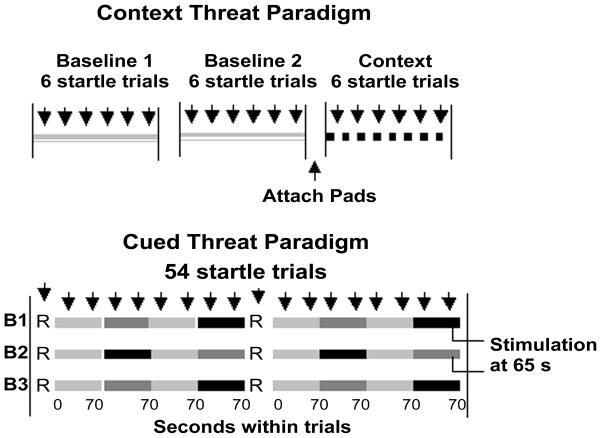
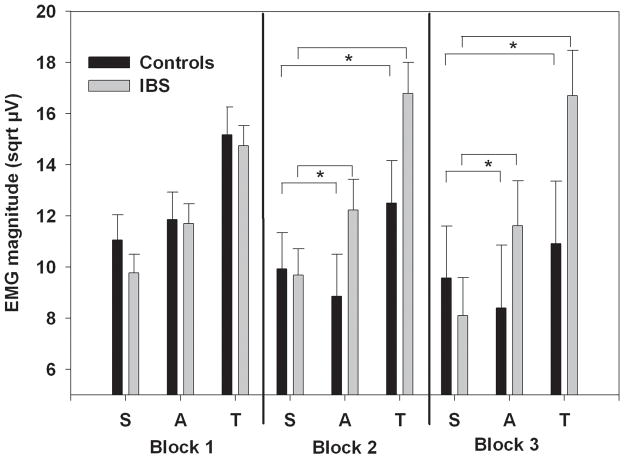
Acoustic startle responses were examined in female patients with interstitial cystitis/painful bladder syndrome (13) and healthy controls (16) during context threat (application of muscle stimulation electrodes to the lower abdomen overlying the bladder), and cued conditions for safety (no stimulation possible), anticipation and imminent threat of aversive abdominal stimulation over the bladder.
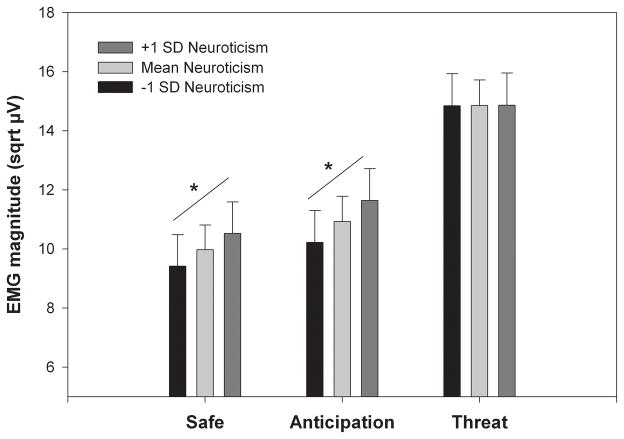
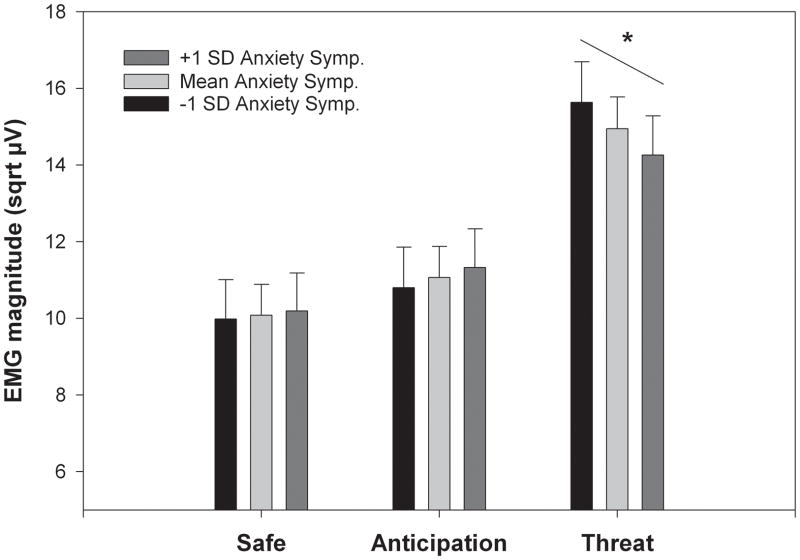
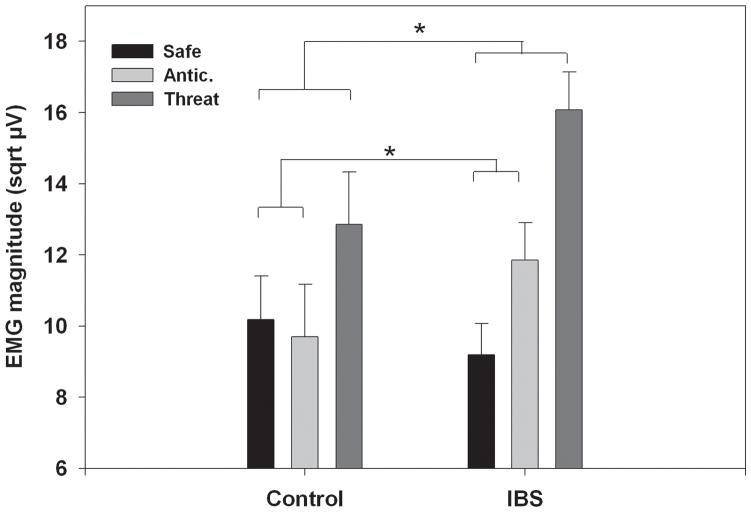
Patients showed significantly greater startle responses during nonimminent threat conditions (baseline, safe and anticipation periods) while both groups showed similar robust startle potentiation during the imminent threat condition. Higher rates of anxiety and depression symptoms in the patient group did not account for the group differences in startle reflex magnitude.
Compared to controls, female patients with interstitial cystitis/painful bladder syndrome showed increased activation of a defensive emotional circuit in the context of a threat of abdominal pain. This pattern is similar to that previously reported in patients with anxiety disorders as well as those with irritable bowel syndrome. Since these circuits have an important role in central pain amplification related to affective and cognitive processes, these results support the hypothesis that the observed abnormality may be involved in the enhanced perception of bladder signals associated with interstitial cystitis/painful bladder syndrome.
间质性膀胱炎/疼痛性膀胱综合征中对内脏刺激的超敏反应可能源于情感回路(包括杏仁核复合体)反应性增强及相关的中枢性疼痛放大。在威胁下眨眼惊跳反射的增强由杏仁核复合体的输出介导,因此,它代表了一种用于研究该脑回路反应性组间差异的非侵入性标志物。
在情境威胁(将肌肉刺激电极置于膀胱上方的下腹部)以及提示安全(无法进行刺激)、预期和即将面临膀胱厌恶腹部刺激威胁的条件下,对13例间质性膀胱炎/疼痛性膀胱综合征女性患者和16例健康对照者进行听觉惊跳反应检测。
在非即将来临的威胁条件下(基线期、安全期和预期期),患者表现出明显更强的惊跳反应,而在即将来临的威胁条件下,两组表现出相似的强烈惊跳增强。患者组中较高的焦虑和抑郁症状发生率并不能解释惊跳反射幅度的组间差异。
与对照组相比,间质性膀胱炎/疼痛性膀胱综合征女性患者在腹痛威胁情境下表现出防御性情绪回路的激活增加。这种模式与先前在焦虑症患者以及肠易激综合征患者中报道的模式相似。由于这些回路在与情感和认知过程相关的中枢性疼痛放大中起重要作用,这些结果支持了以下假设:观察到的异常可能与间质性膀胱炎/疼痛性膀胱综合征相关的膀胱信号感知增强有关。