Muzumdar Radhika H, Huffman Derek M, Atzmon Gil, Buettner Christoph, Cobb Laura J, Fishman Sigal, Budagov Temuri, Cui Lingguang, Einstein Francine H, Poduval Aruna, Hwang David, Barzilai Nir, Cohen Pinchas
Department of Pediatrics, Children's Hospital at Montefiore, Institute for Aging Research, Diabetes Research and Training Center, Albert Einstein College of Medicine, Bronx, NY, USA.
PLoS One. 2009 Jul 22;4(7):e6334. doi: 10.1371/journal.pone.0006334.
Decline in insulin action is a metabolic feature of aging and is involved in the development of age-related diseases including Type 2 Diabetes Mellitus (T2DM) and Alzheimer's disease (AD). A novel mitochondria-associated peptide, Humanin (HN), has a neuroprotective role against AD-related neurotoxicity. Considering the association between insulin resistance and AD, we investigated if HN influences insulin sensitivity.
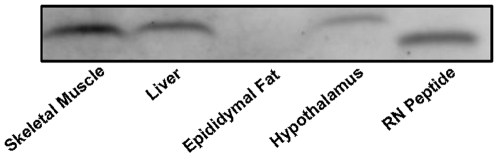
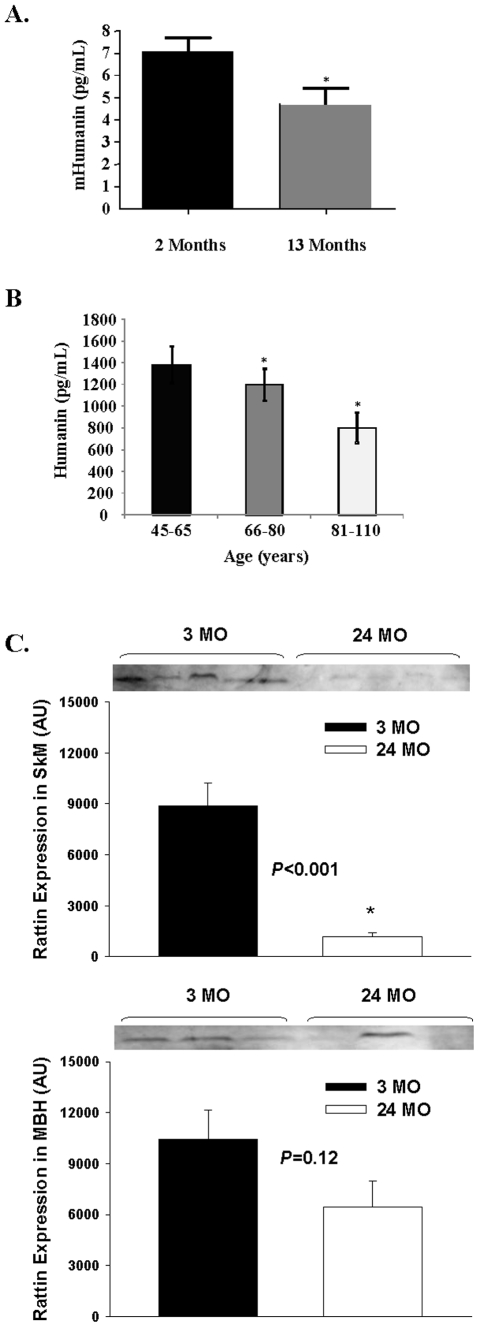
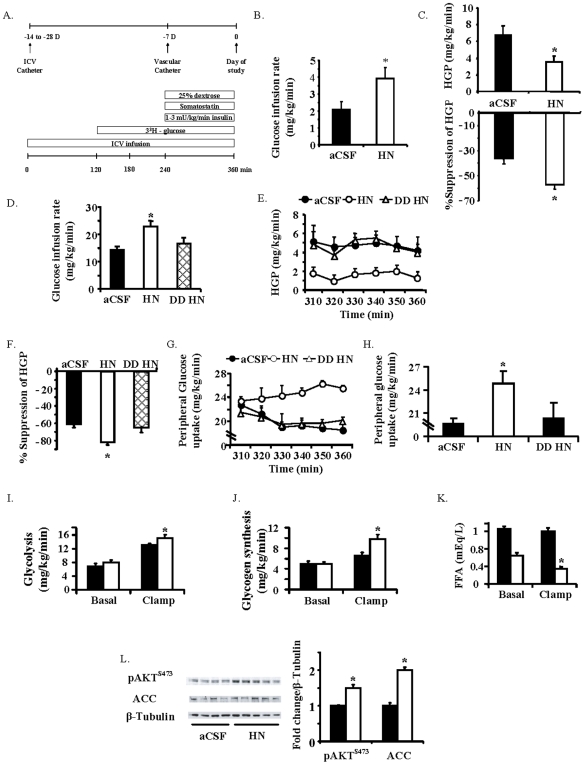
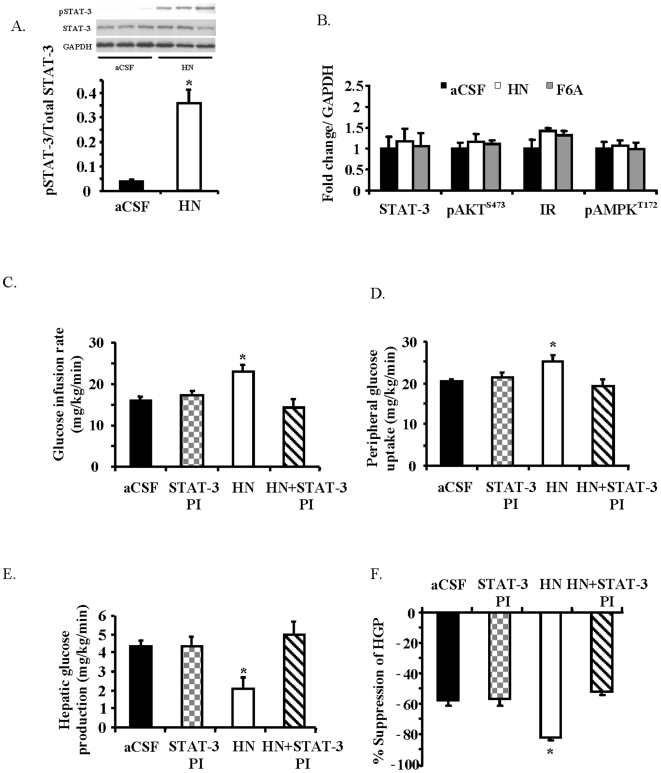
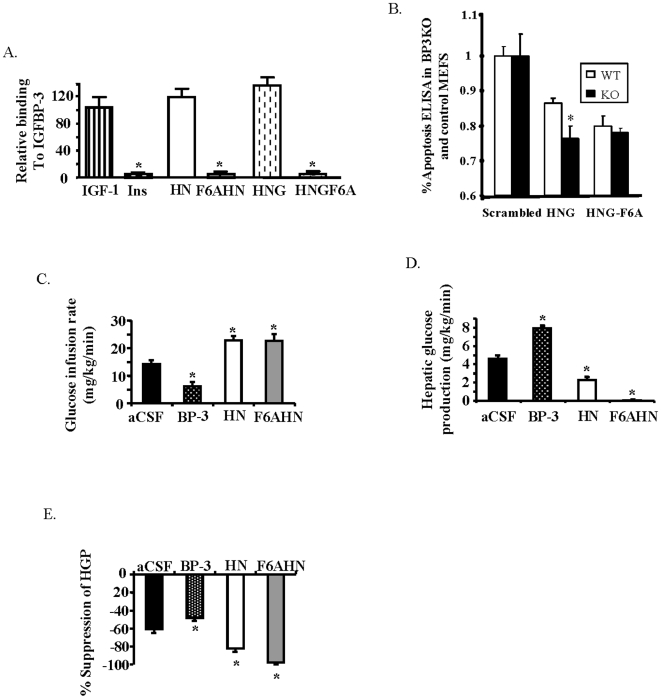
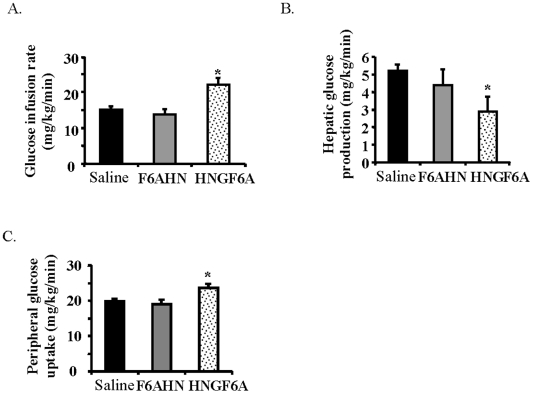
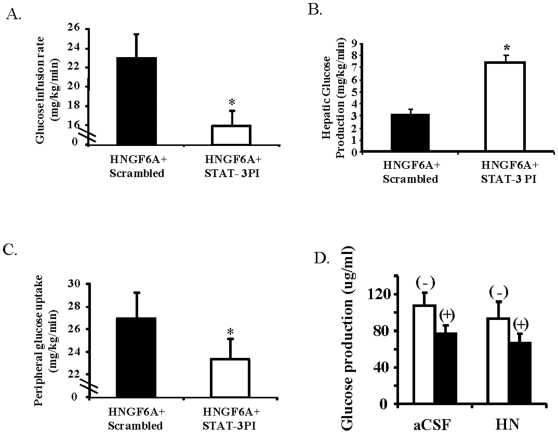
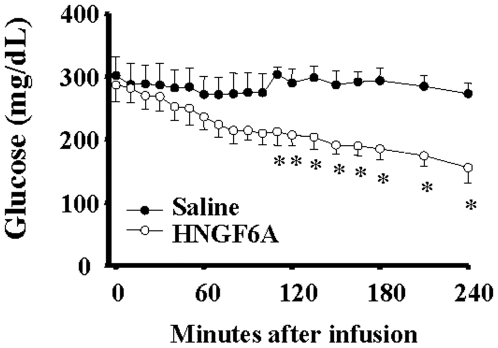
Using state of the art clamp technology, we examined the role of central and peripheral HN on insulin action. Continuous infusion of HN intra-cerebro-ventricularly significantly improved overall insulin sensitivity. The central effects of HN on insulin action were associated with activation of hypothalamic STAT-3 signaling; effects that were negated by co-inhibition of hypothalamic STAT-3. Peripheral intravenous infusions of novel and potent HN derivatives reproduced the insulin-sensitizing effects of central HN. Inhibition of hypothalamic STAT-3 completely negated the effects of IV HN analog on liver, suggesting that the hepatic actions of HN are centrally mediated. This is consistent with the lack of a direct effect of HN on primary hepatocytes. Furthermore, single treatment with a highly-potent HN analog significantly lowered blood glucose in Zucker diabetic fatty rats. Based upon the link of HN with two age-related diseases, we examined if there were age associated changes in HN levels. Indeed, the amount of detectable HN in hypothalamus, skeletal muscle, and cortex was decreased with age in rodents, and circulating levels of HN were decreased with age in humans and mice.
We conclude that the decline in HN with age could play a role in the pathogenesis of age-related diseases including AD and T2DM. HN represents a novel link between T2DM and neurodegeneration and along with its analogues offers a potential therapeutic tool to improve insulin action and treat T2DM.
胰岛素作用下降是衰老的一种代谢特征,并且与包括2型糖尿病(T2DM)和阿尔茨海默病(AD)在内的年龄相关疾病的发生发展有关。一种新型的线粒体相关肽人胰岛素(HN)对AD相关神经毒性具有神经保护作用。考虑到胰岛素抵抗与AD之间的关联,我们研究了HN是否会影响胰岛素敏感性。
我们使用先进的钳夹技术,研究了中枢和外周HN对胰岛素作用的影响。脑室内持续输注HN可显著改善整体胰岛素敏感性。HN对胰岛素作用的中枢效应与下丘脑STAT-3信号通路的激活有关;下丘脑STAT-3的共同抑制可消除这些效应。新型强效HN衍生物的外周静脉输注重现了中枢HN的胰岛素增敏作用。下丘脑STAT-3的抑制完全消除了静脉注射HN类似物对肝脏的作用,这表明HN的肝脏作用是由中枢介导的。这与HN对原代肝细胞缺乏直接作用是一致的。此外,用一种高效的HN类似物单次治疗可显著降低Zucker糖尿病脂肪大鼠的血糖。基于HN与两种年龄相关疾病的联系,我们研究了HN水平是否存在与年龄相关的变化。事实上,在啮齿动物中,下丘脑、骨骼肌和皮质中可检测到的HN量随年龄增长而减少,在人类和小鼠中,循环中的HN水平也随年龄增长而降低。
我们得出结论,随着年龄增长HN的下降可能在包括AD和T2DM在内的年龄相关疾病的发病机制中起作用。HN代表了T2DM与神经退行性变之间的一种新联系,并且与其类似物一起提供了一种潜在的治疗工具,以改善胰岛素作用并治疗T2DM。