Liver Research Group, Section of Oncology, School of Medicine, Royal Hallamshire Hospital, The University of Sheffield, Sheffield, UK.
J Cell Mol Med. 2010 Jan;14(1-2):165-74. doi: 10.1111/j.1582-4934.2009.00852.x.
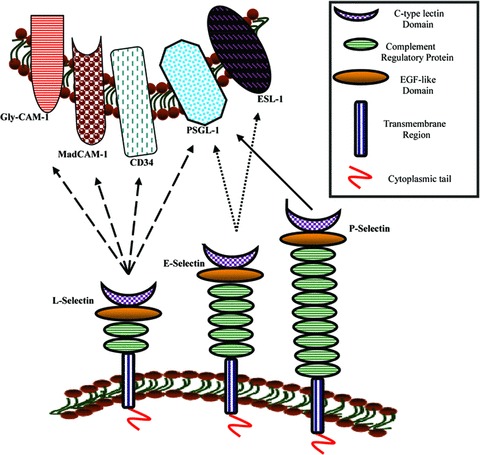
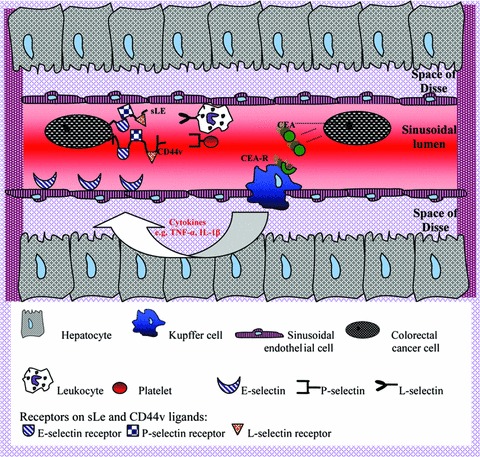
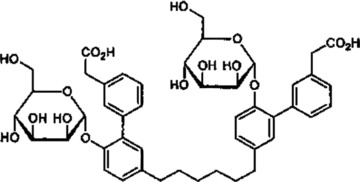
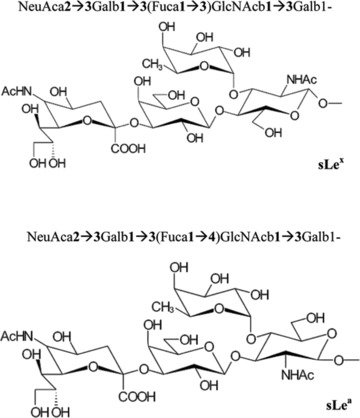
he colonization of the liver by colorectal cancer (CRC) cells is a complicated process which includes many stages, until macrometastases occur. The entrapment of malignant cells within the hepatic sinusoids and their interactions with resident non-parenchymal cells are considered very important for the whole metastatic sequence. In the sinusoids, cell connection and signalling is mediated by multiple cell adhesion molecules, such as the selectins. The three members of the selectin family, E-, P- and L-selectin, in conjunction with sialylated Lewis ligands and CD44 variants, regulate colorectal cell communication and adhesion with platelets, leucocytes, sinusoidal endothelial cells and stellate cells. Their role in CRC liver metastases has been investigated in animal models and human tissue, in vivo and in vitro, in static and shear flow conditions, and their key-function in several molecular pathways has been displayed. Therefore, trials have already commenced aiming to exploit selectins and their ligands in the treatment of benign and malignant diseases. Multiple pharmacological agents have been developed that are being tested for potential therapeutic applications.
结直肠癌(CRC)细胞对肝脏的定植是一个复杂的过程,包括许多阶段,直到发生巨转移。恶性细胞被困在肝窦内,与常驻非实质细胞相互作用,被认为对整个转移过程非常重要。在窦内,细胞连接和信号转导是由多种细胞黏附分子介导的,如选择素。选择素家族的三个成员 E-、P-和 L-选择素,与唾液酸化的 Lewis 配体和 CD44 变体一起,调节结直肠癌细胞与血小板、白细胞、窦内皮细胞和星状细胞的通讯和黏附。它们在 CRC 肝转移中的作用已经在动物模型和人体组织中进行了研究,包括体内和体外、静态和剪切流条件下,并且已经显示出它们在几个分子途径中的关键功能。因此,已经开始尝试利用选择素及其配体来治疗良性和恶性疾病。已经开发出多种药理学药物,正在测试其在治疗中的潜在应用。