Behbehani Raed
Neuro-Ophthalmology Service, Department of Ophthalmology, Ibn Sina Hospital, PO Box 1262, Kuwait City, Kuwait.
Clin Ophthalmol. 2007 Sep;1(3):233-46.
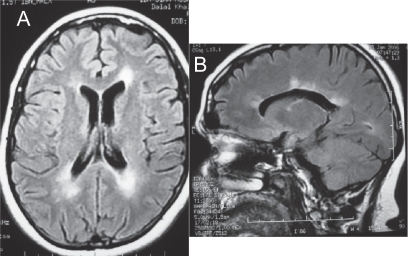
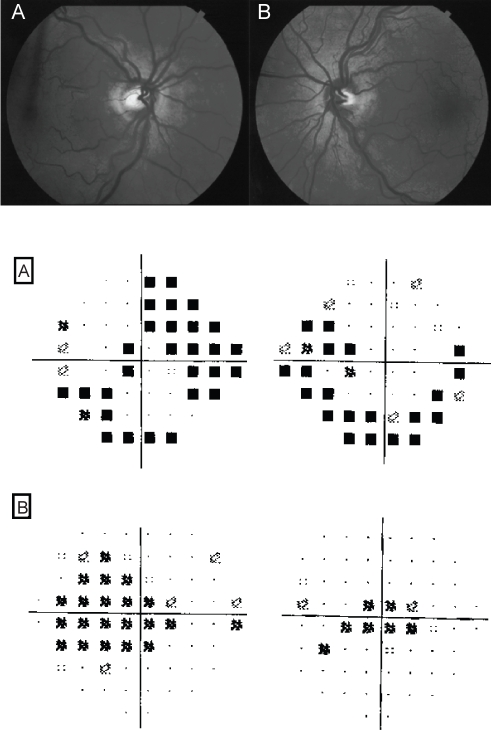
Optic neuropathy is a frequent cause of vision loss encountered by ophthalmologist. The diagnosis is made on clinical grounds. The history often points to the possible etiology of the optic neuropathy. A rapid onset is typical of demyelinating, inflammatory, ischemic and traumatic causes. A gradual course points to compressive, toxic/nutritional and hereditary causes. The classic clinical signs of optic neuropathy are visual field defect, dyschromatopsia, and abnormal papillary response. There are ancillary investigations that can support the diagnosis of optic neuropathy. Visual field testing by either manual kinetic or automated static perimetry is critical in the diagnosis. Neuro-imaging of the brain and orbit is essential in many optic neuropathies including demyelinating and compressive. Newer technologies in the evaluation of optic neuropathies include multifocal visual evoked potentials and optic coherence tomography.
视神经病变是眼科医生经常遇到的导致视力丧失的原因。诊断基于临床依据。病史往往指向视神经病变的可能病因。迅速起病是脱髓鞘、炎症、缺血和创伤性病因的典型表现。病程渐进则指向压迫性、中毒/营养性和遗传性病因。视神经病变的典型临床体征是视野缺损、色觉异常和瞳孔反应异常。有一些辅助检查可以支持视神经病变的诊断。通过手动动态视野检查或自动静态视野检查进行视野测试在诊断中至关重要。在许多视神经病变中,包括脱髓鞘性和压迫性病变,脑部和眼眶的神经影像学检查必不可少。评估视神经病变的新技术包括多焦视觉诱发电位和光学相干断层扫描。