Department of Microbiology, Mount Sinai School of Medicine, New York, NY 10029, USA.
Cell Microbiol. 2010 Feb;12(2):148-57. doi: 10.1111/j.1462-5822.2009.01385.x. Epub 2009 Sep 22.
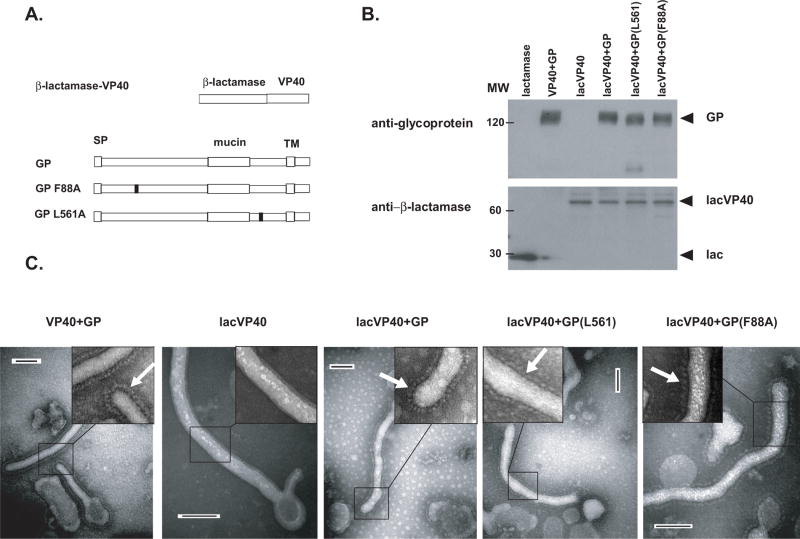
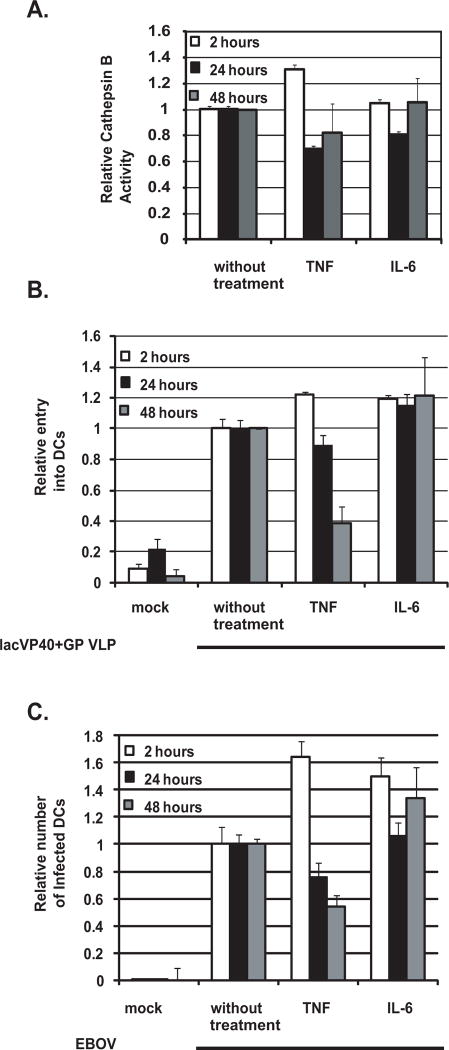
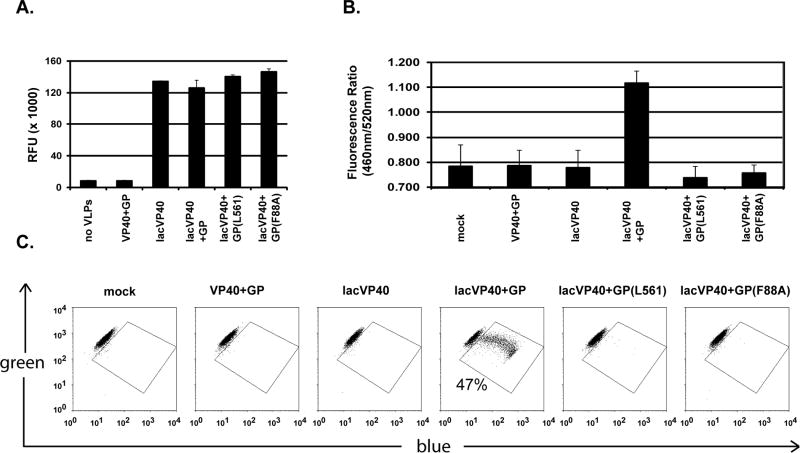
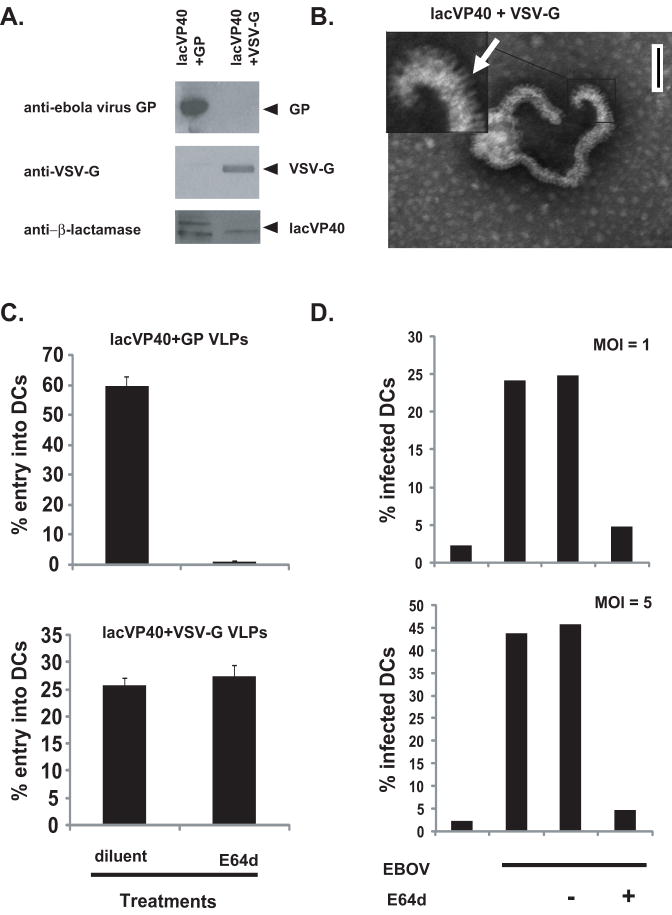
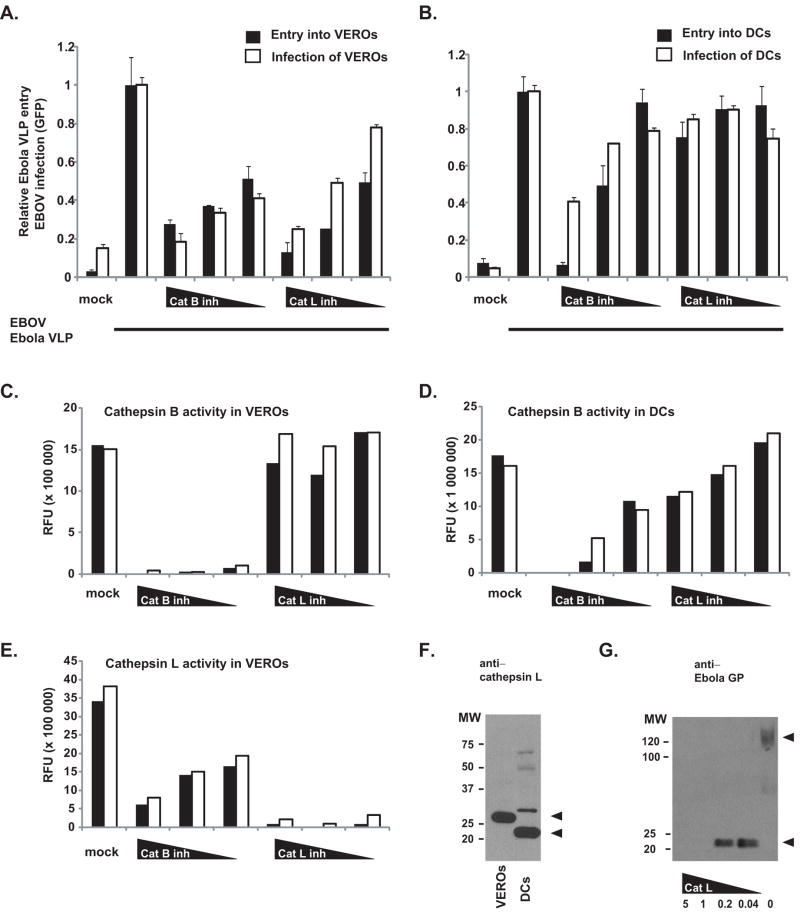
Cathepsins B and L contribute to Ebola virus (EBOV) entry into Vero cells and mouse embryonic fibroblasts. However, the role of cathepsins in EBOV-infection of human dendritic cells (DCs), important targets of infection in vivo, remains undefined. Here, EBOV-like particles containing a beta-lactamase-VP40 fusion reporter and Ebola virus were used to demonstrate the cathepsin dependence of EBOV entry into human monocyte-derived DCs. However, while DC infection is blocked by cathepsin B inhibitor, it is insensitive to cathepsin L inhibitor. Furthermore, DCs pre-treated for 48 h with TNFalpha were generally less susceptible to entry and infection by EBOV. This decrease in infection was associated with a decrease in cathepsin B activity. Thus, cathepsin L plays a minimal, if any, role in EBOV infection in human DCs. The inflammatory cytokine TNFalpha modulates cathepsin B activity and affects EBOV entry into and infection of human DCs.
组织蛋白酶 B 和 L 有助于埃博拉病毒(EBOV)进入 Vero 细胞和小鼠胚胎成纤维细胞。然而,组织蛋白酶在 EBOV 感染体内重要感染靶标人树突状细胞(DC)中的作用仍未确定。在此,使用含有β-内酰胺酶-VP40 融合报告基因的 EBOV 样颗粒和埃博拉病毒证明了 EBOV 进入人单核细胞衍生 DC 的组织蛋白酶依赖性。然而,尽管 DC 感染被组织蛋白酶 B 抑制剂阻断,但它对组织蛋白酶 L 抑制剂不敏感。此外,用 TNFalpha 预处理 48 小时的 DC 通常对 EBOV 的进入和感染的敏感性降低。这种感染的减少与组织蛋白酶 B 活性的降低有关。因此,组织蛋白酶 L 在人类 DC 中的 EBOV 感染中作用最小(如果有)。炎症细胞因子 TNFalpha 调节组织蛋白酶 B 活性并影响 EBOV 进入和感染人树突状细胞。