Schalling M, Friberg K, Seroogy K, Riederer P, Bird E, Schiffmann S N, Mailleux P, Vanderhaeghen J J, Kuga S, Goldstein M
Department of Histology and Neurobiology, Karolinska Institute, Stockholm, Sweden.
Proc Natl Acad Sci U S A. 1990 Nov;87(21):8427-31. doi: 10.1073/pnas.87.21.8427.
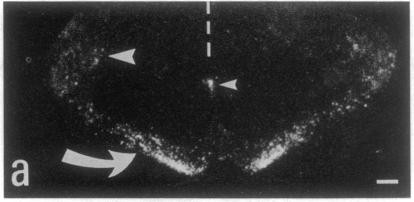
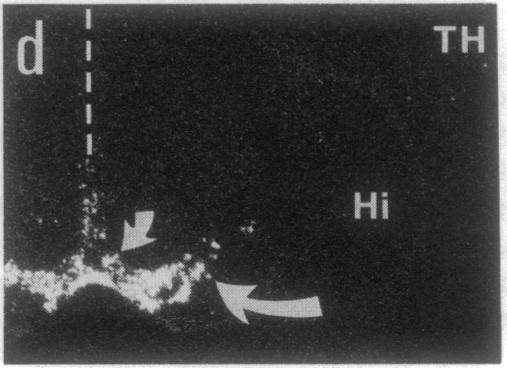
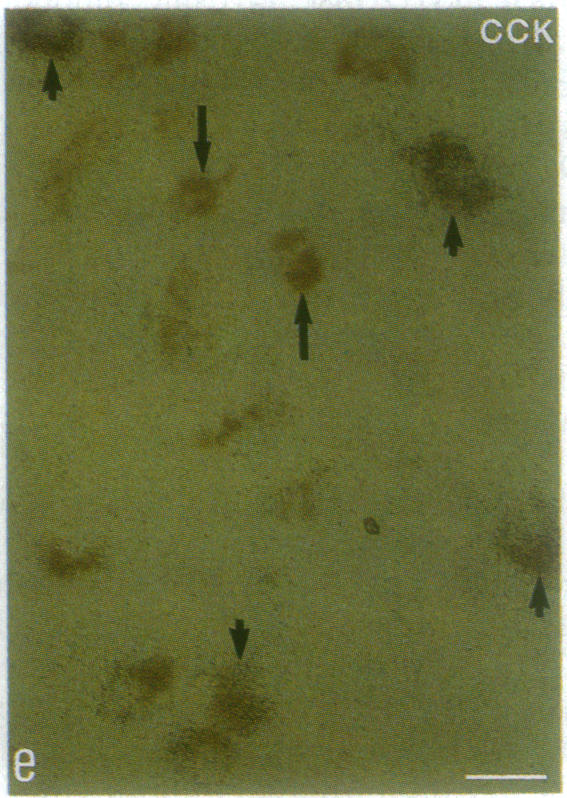
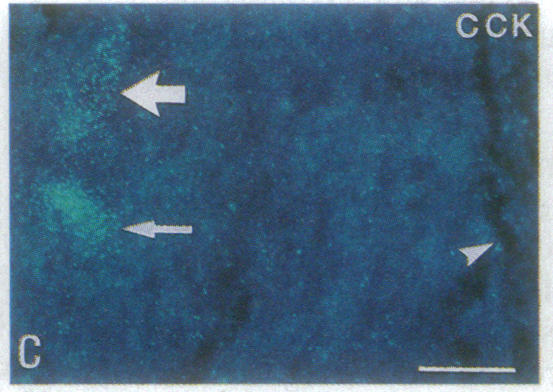
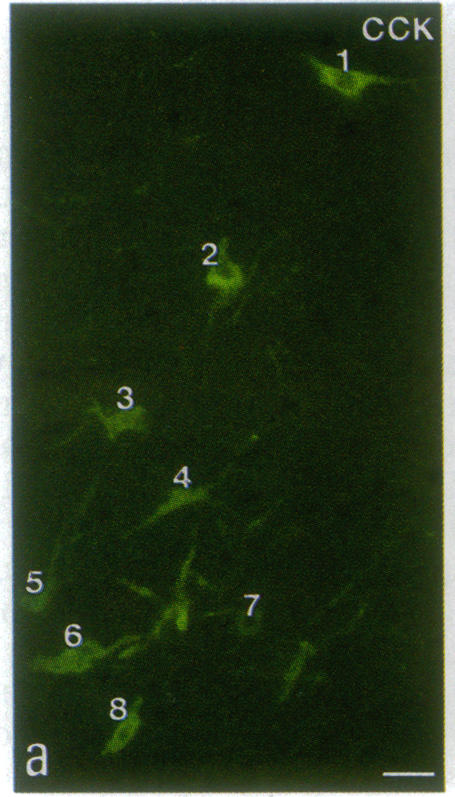
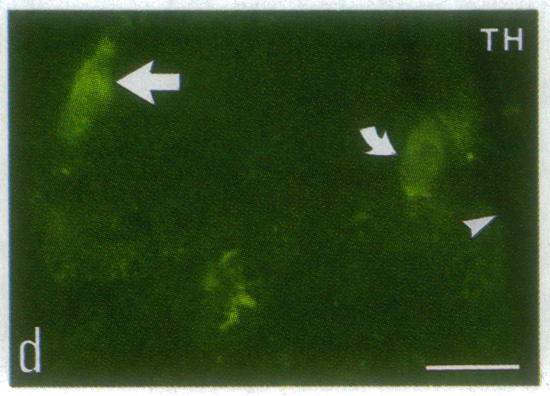
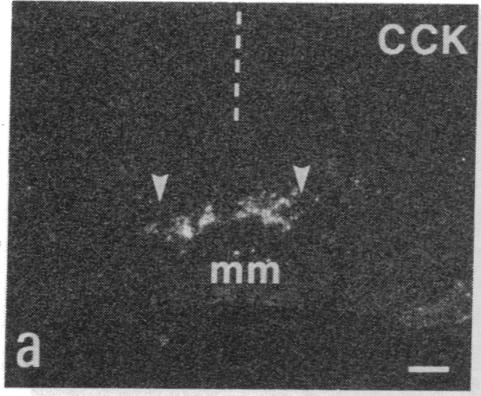
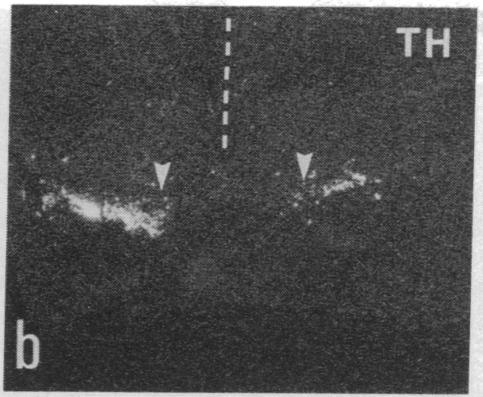
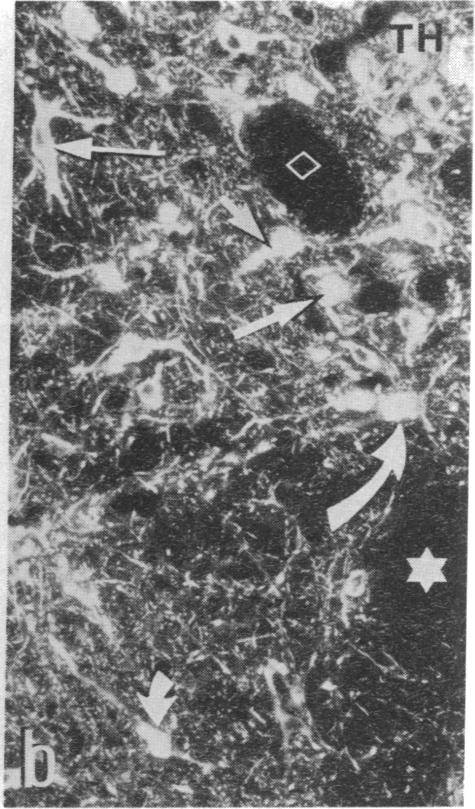
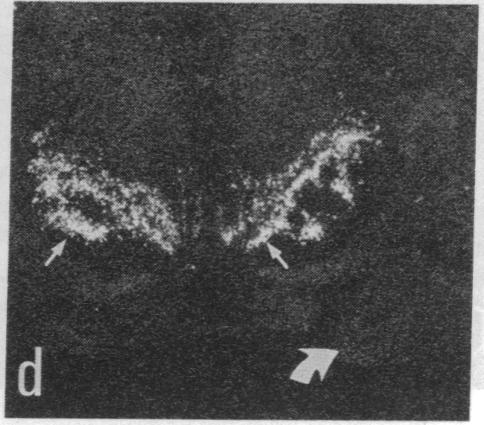
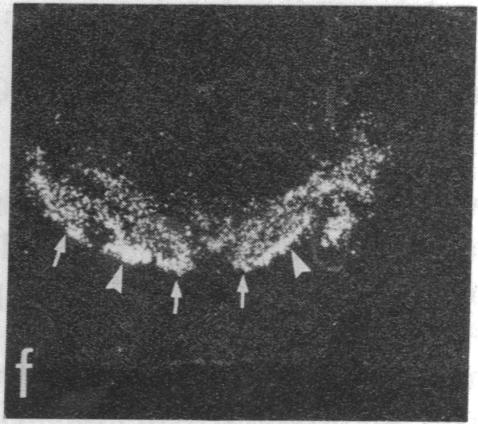
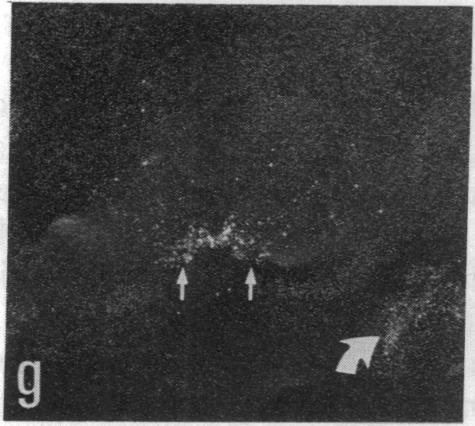
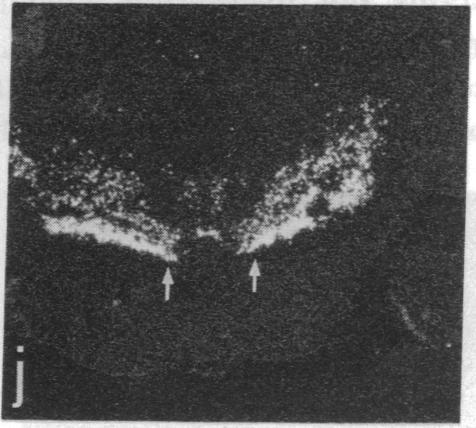
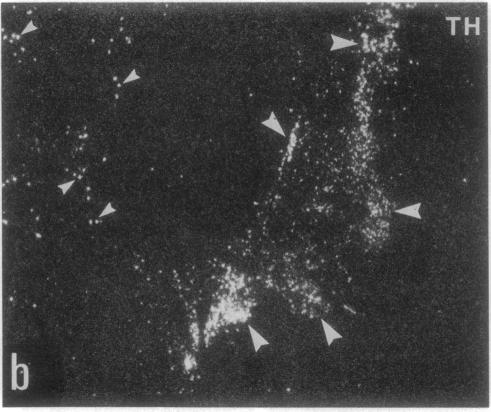
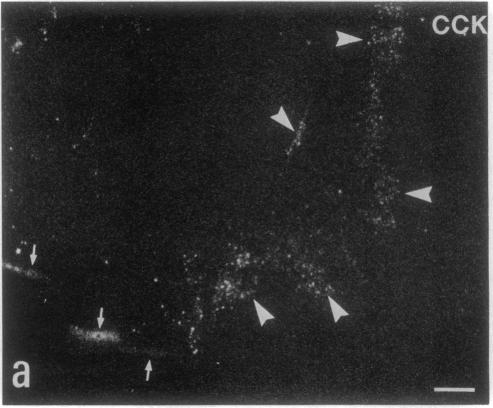
The ventral mesencephalons of hamster, guinea pig, cat, monkey, and several humans with and without the diagnosis of schizophrenia were analyzed with in situ hybridization and immunohistochemistry. Extensive codistribution of cholecystokinin mRNA and tyrosine hydroxylase [L-tyrosine, tetrahydropteridine: oxygen oxidoreductase (3-hydroxylating), EC 1.14.16.2] mRNA was observed in cats and monkeys as well as in all five human subjects with the diagnosis of schizophrenia and in two out of five control brains. Double labeling revealed coexistence of the two markers in cat, monkey, and human. No cholecystokinin mRNA or cholecystokinin peptide was detected in the substantia nigra/ventral tegmental area of the hamster or guinea pig, even after acute and chronic neuroleptic treatment.
采用原位杂交和免疫组化方法,对仓鼠、豚鼠、猫、猴以及数名诊断为精神分裂症和未诊断为精神分裂症的人类的腹侧中脑进行了分析。在猫和猴以及所有五名诊断为精神分裂症的人类受试者和五名对照大脑中的两名中,观察到胆囊收缩素mRNA和酪氨酸羟化酶[L-酪氨酸,四氢生物蝶呤:氧氧化还原酶(3-羟化),EC 1.14.16.2]mRNA广泛共分布。双重标记显示这两种标记物在猫、猴和人类中共存。即使经过急性和慢性抗精神病药物治疗,在仓鼠或豚鼠的黑质/腹侧被盖区也未检测到胆囊收缩素mRNA或胆囊收缩素肽。