Department of Pathology, Feinberg School of Medicine, Northwestern University, Chicago, IL 60611, U.S.A.
Biochem J. 2009 Dec 23;425(2):435-44. doi: 10.1042/BJ20091237.
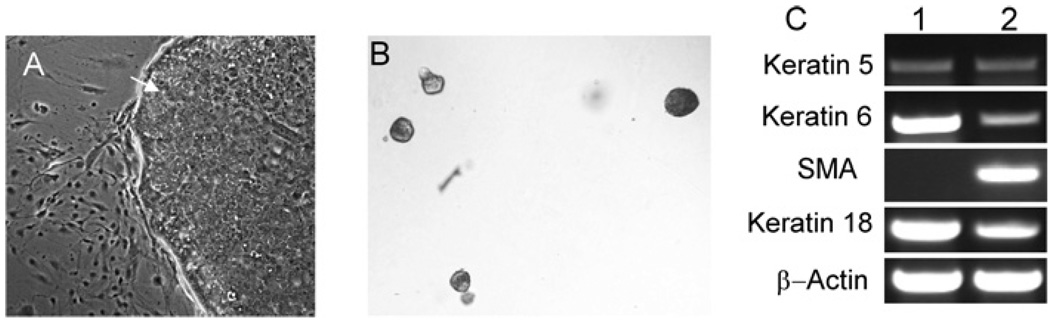
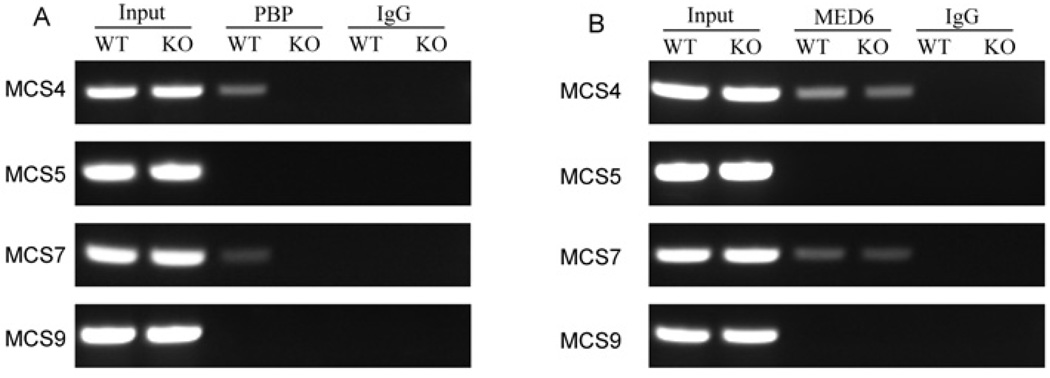
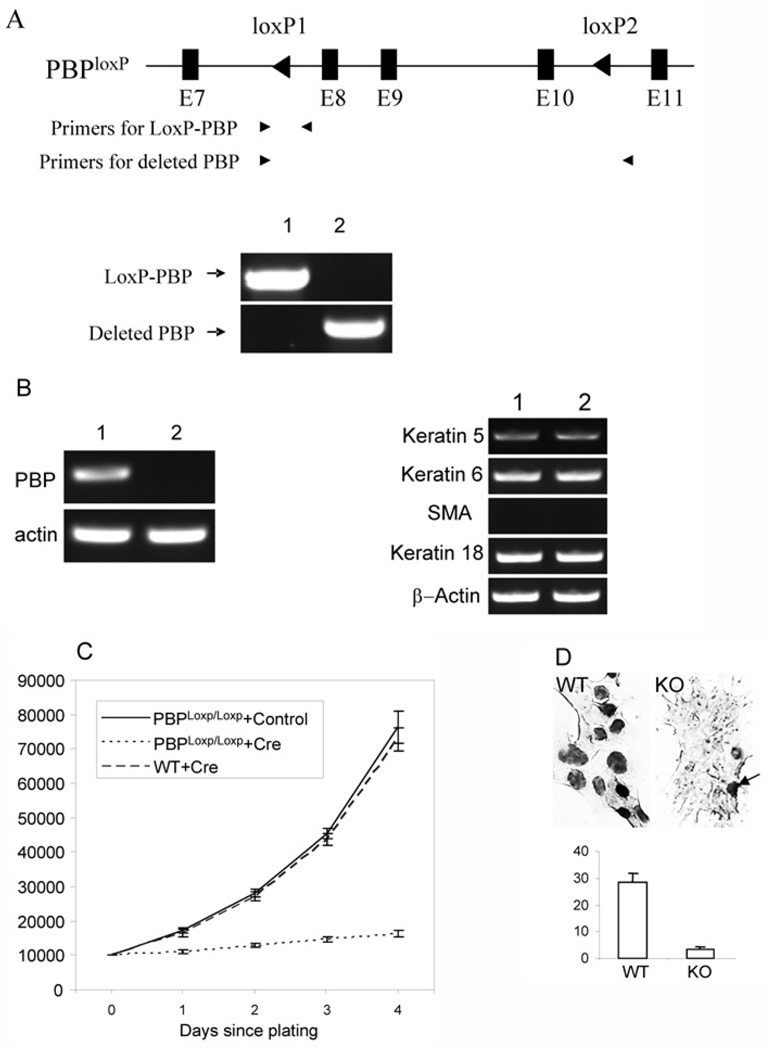
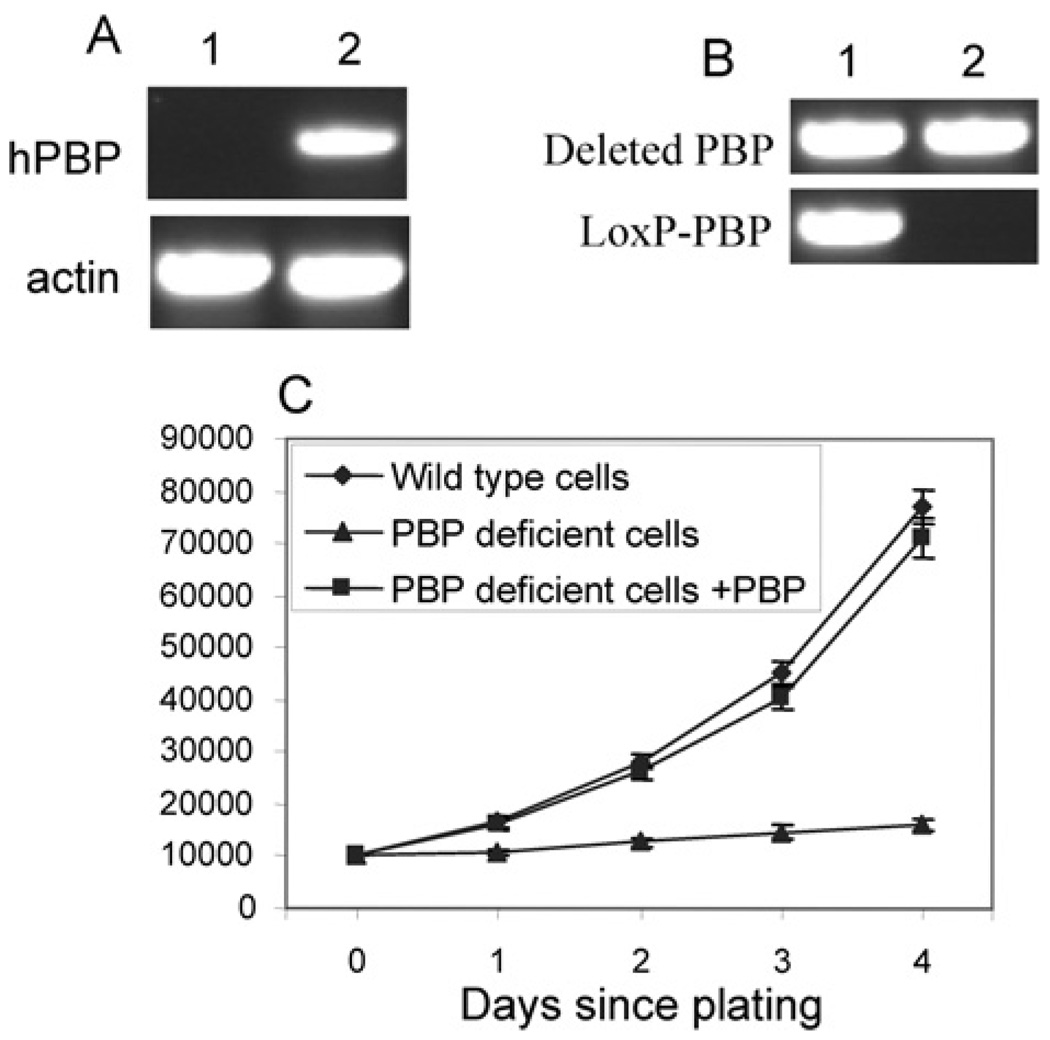
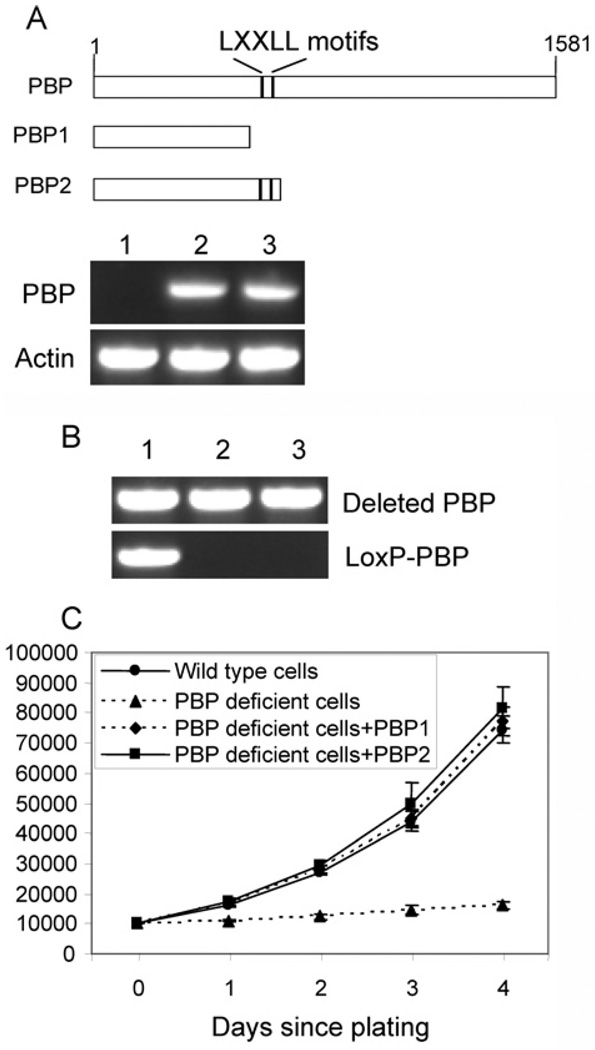
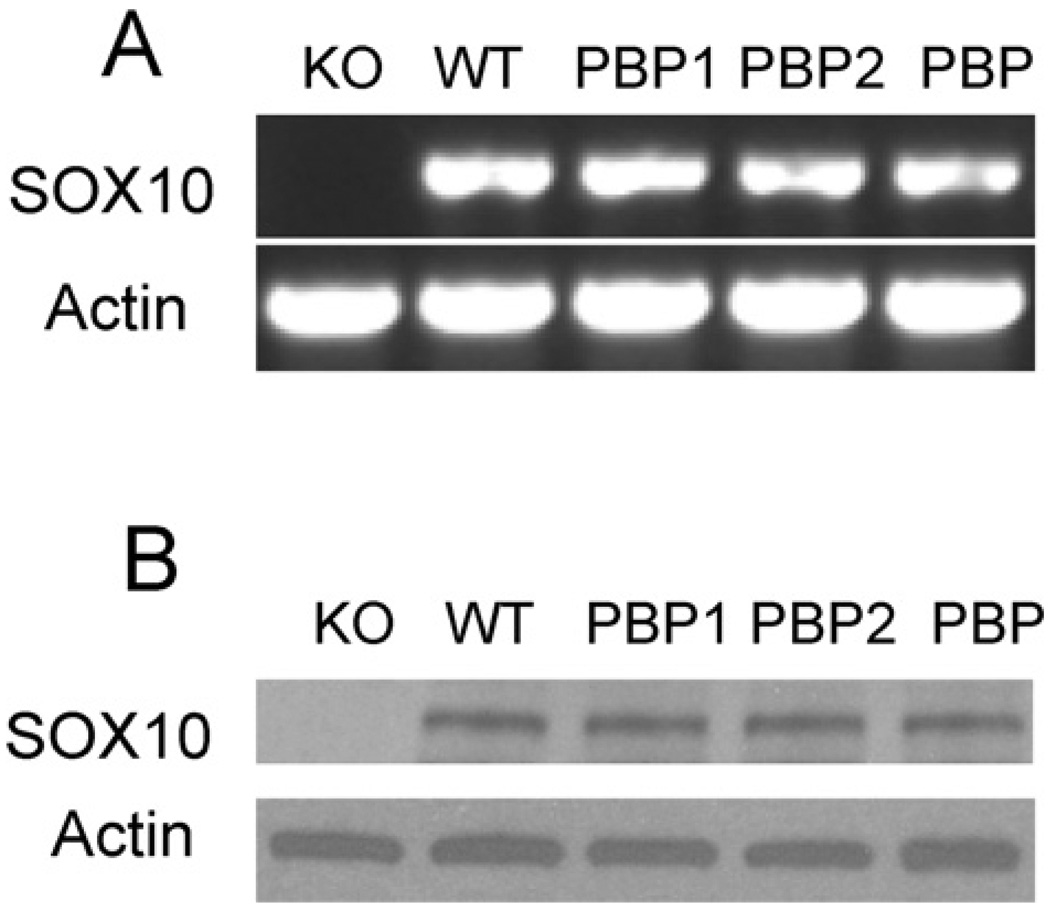
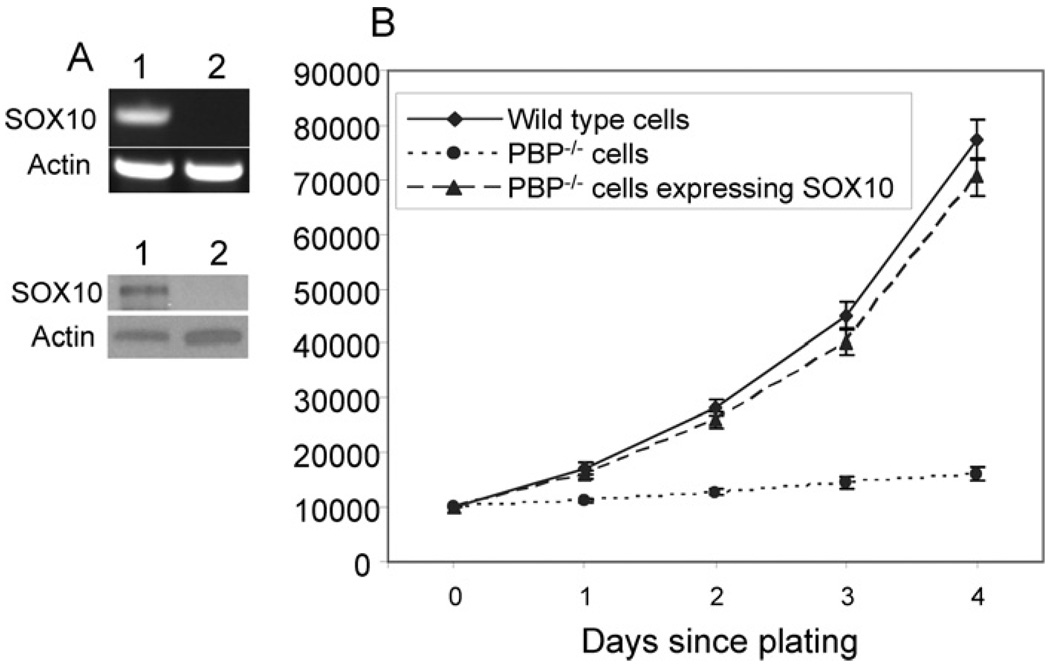
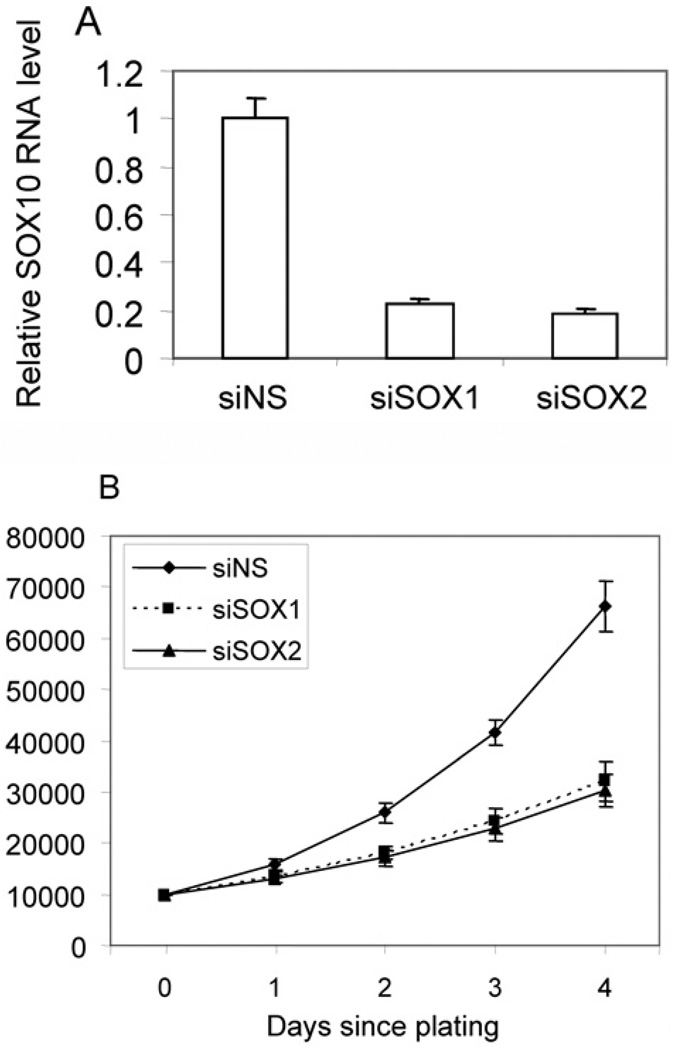
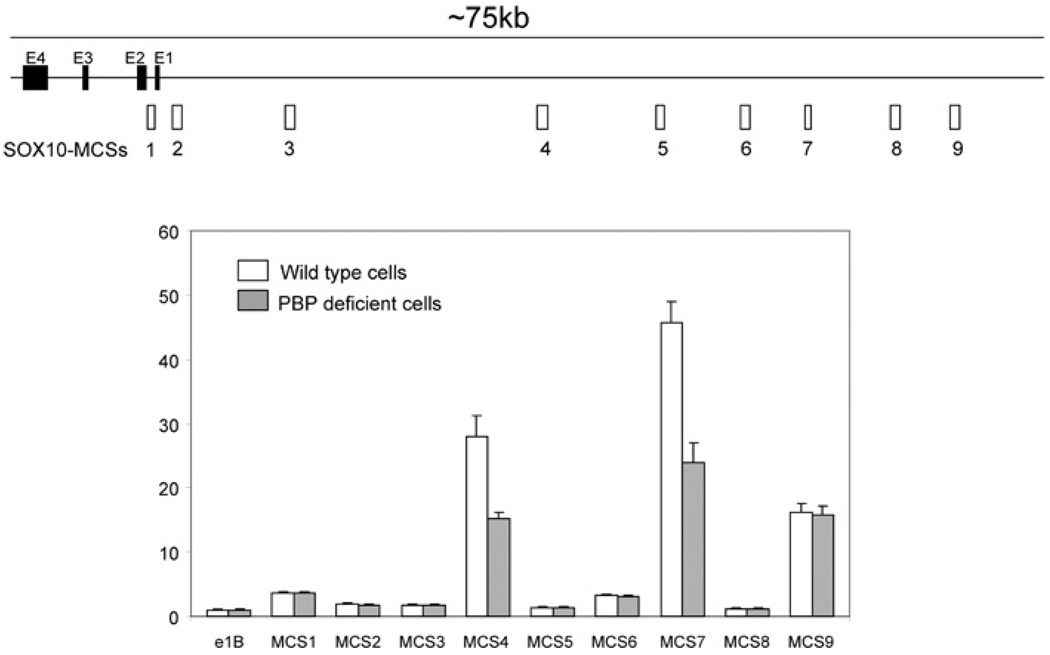
PBP (peroxisome-proliferator-activated receptor-binding protein) [Med1 (mediator 1)/TRAP220 (thyroid-hormone-receptor-associated protein 220)] is essential for mammary gland development. We established a mammary epithelial cell line with a genotype of PBPLoxP/LoxP by expressing an active form of Notch4. Null mutation of PBP caused severe growth inhibition of the Notch4-immortalized mammary cells. We found that truncated PBP without the two LXXLL motifs could reverse the growth inhibition due to the deficiency of endogenous PBP, indicating that signalling through nuclear receptors is unlikely to be responsible for the growth inhibition as the result of PBP deficiency. Loss of PBP expression was shown to completely ablate the expression of SOX10 [Sry-related HMG (high-mobility group) box gene 10]. The re-expression of SOX10 was capable of reversing the growth inhibition due to PBP deficiency, whereas suppressed expression of SOX10 inhibited the growth of Notch4-immortalized mammary cells. Further studies revealed PBP is directly recruited to the enhancer of the SOX10 gene, indicating that SOX10 is a direct target gene of PBP. We conclude that PBP is essential for the growth of Notch4-immortalized mammary cells by activating SOX10 expression, providing a potential molecular mechanism through which PBP regulates the growth of mammary stem/progenitor cells.
过氧化物酶体增殖物激活受体结合蛋白(PBP)[Med1(中介 1)/TRAP220(甲状腺激素受体相关蛋白 220)]对于乳腺发育是必需的。我们通过表达活性形式的 Notch4 建立了一种基因型为 PBPLoxP/LoxP 的乳腺上皮细胞系。PBP 的缺失突变导致 Notch4 永生化乳腺细胞的严重生长抑制。我们发现没有两个 LXXLL 基序的截断 PBP 可以逆转由于内源性 PBP 缺乏引起的生长抑制,表明核受体信号传导不太可能是由于 PBP 缺乏引起的生长抑制的原因。PBP 表达的丧失导致 SOX10[Sry 相关 HMG(高迁移率族)盒基因 10]的表达完全被消除。SOX10 的重新表达能够逆转由于 PBP 缺乏引起的生长抑制,而 SOX10 的抑制表达则抑制了 Notch4 永生化乳腺细胞的生长。进一步的研究表明,PBP 被直接募集到 SOX10 基因的增强子上,表明 SOX10 是 PBP 的直接靶基因。我们得出结论,PBP 通过激活 SOX10 的表达对于 Notch4 永生化乳腺细胞的生长是必需的,为 PBP 调节乳腺干细胞/祖细胞生长提供了一种潜在的分子机制。