Mudege Netsayi N, Ezeh Alex C
African Population and Health Research Centre, P.O. Box 10787, 00100-GPO, Nairobi, Kenya.
J Aging Stud. 2009 Dec;23(4):245-257. doi: 10.1016/j.jaging.2007.12.021.
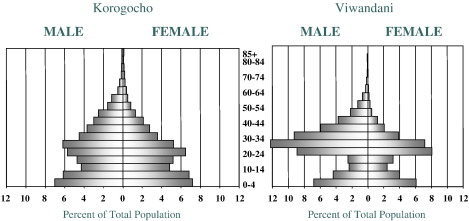
This paper is based on data from focus group discussions and in-depth individual interviews carried out in two slum areas, Korogocho and Viwandani in Nairobi, Kenya. It discusses how the division between domestic sphere and public sphere impacts on survival during, and adaptation to old age. Although this paper adopts some of the tenets of the life course approach, it posits that women's participation in the domestic sphere may sometimes give them a 'gender advantage' over men in terms of health and adaptation to old age. The paper also discusses the impact of gender roles on the cultivation of social networks and how these networks in turn impact on health and social adjustment as people grow older. It investigates how older people are adjusting and coping with the new challenges they face as a result of high morbidity and mortality among adults in the reproductive age groups.
本文基于在肯尼亚内罗毕的两个贫民窟地区——科罗戈乔和维万达尼进行的焦点小组讨论和深入个人访谈所获得的数据。它探讨了家庭领域和公共领域之间的划分如何影响老年时期的生存及适应。尽管本文采用了生命历程方法的一些原则,但它认为,在健康和适应老年方面,女性参与家庭领域有时可能使她们比男性具有“性别优势”。本文还讨论了性别角色对社会网络培育的影响,以及随着人们年龄增长,这些网络如何反过来影响健康和社会适应。它调查了老年人如何应对由于育龄成年人群的高发病率和高死亡率而面临的新挑战。