Department of Neuroscience, Karolinska Institutet, Retzius Väg 8 B2:5, 17177 Stockholm, Sweden.
BMC Genomics. 2009 Nov 17;10:532. doi: 10.1186/1471-2164-10-532.
Human endogenous retroviruses (HERV) constitute approximately 8% of the human genome and have long been considered "junk". The sheer number and repetitive nature of these elements make studies of their expression methodologically challenging. Hence, little is known of transcription of genomic regions harboring such elements.
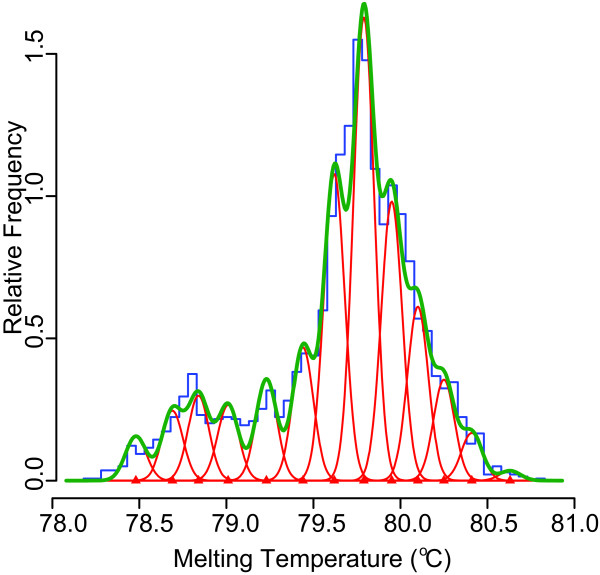
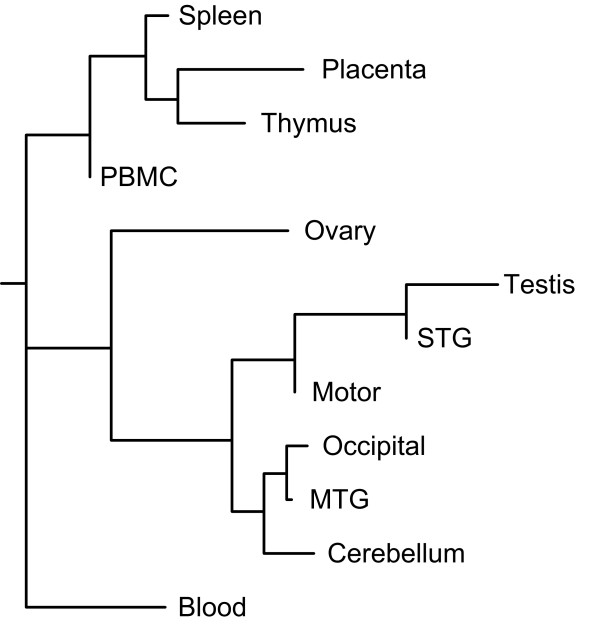
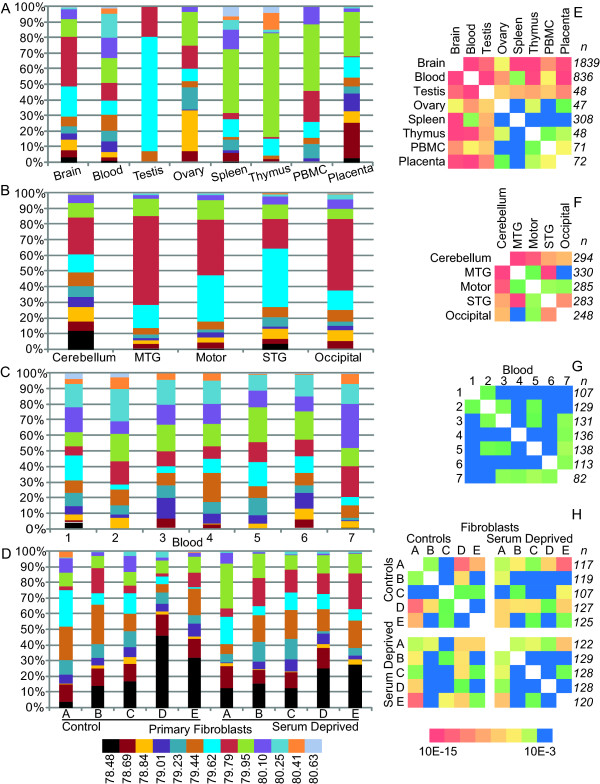
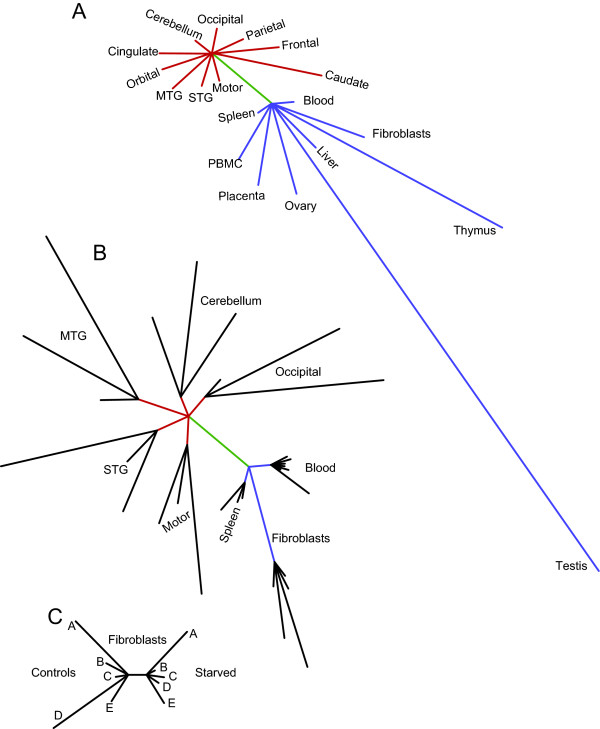
Applying a recently developed technique for obtaining high resolution melting temperature data, we examined the frequency distributions of HERV-W gag element into 13 Tm categories in human tissues. Transcripts containing HERV-W gag sequences were expressed in non-random patterns with extensive variations in the expression between both tissues, including different brain regions, and individuals. Furthermore, the patterns of such transcripts varied more between individuals in brain regions than other tissues.
Thus, regulated expression of non-coding regions of the human genome appears to include the HERV-W family of repetitive elements. Although it remains to be established whether such expression patterns represent leakage from transcription of functional regions or specific transcription, the current approach proves itself useful for studying detailed expression patterns of repetitive regions.
人类内源性逆转录病毒(HERV)约占人类基因组的 8%,长期以来一直被认为是“垃圾”。这些元素的数量之多和重复性,使得研究它们的表达方法具有挑战性。因此,对于含有这些元件的基因组区域的转录知之甚少。
应用最近开发的获得高分辨率融解温度数据的技术,我们检查了人类组织中 HERV-W gag 元件的频率分布在 13 个 Tm 类别中。含有 HERV-W gag 序列的转录本以非随机模式表达,组织之间的表达差异很大,包括不同的脑区和个体。此外,这些转录本的模式在脑区个体之间的差异大于其他组织。
因此,人类基因组非编码区域的调节表达似乎包括 HERV-W 家族的重复元件。尽管尚待确定这种表达模式是否代表功能区域转录的渗漏或特定转录,但目前的方法证明对研究重复区域的详细表达模式是有用的。