Internet Innovation Centre, Electrical and Computer Engineering, University of Manitoba, R3T 5V6, Canada.
BMC Public Health. 2009 Nov 18;9 Suppl 1(Suppl 1):S14. doi: 10.1186/1471-2458-9-S1-S14.
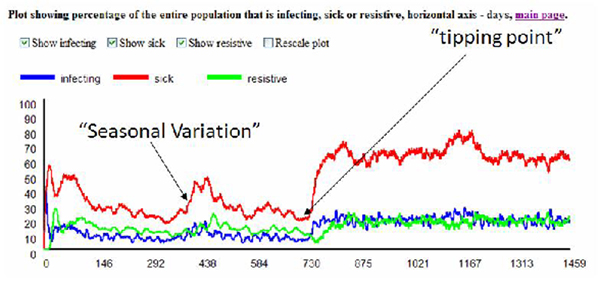
This exploratory paper outlines an epidemic simulator built on an agent-based, data-driven model of the spread of a disease within an urban environment. An intent of the model is to provide insight into how a disease may reach a tipping point, spreading to an epidemic of uncontrollable proportions.
As a complement to analytical methods, simulation is arguably an effective means of gaining a better understanding of system-level disease dynamics within a population and offers greater utility in its modeling capabilities. Our investigation is based on this conjecture, supported by data-driven models that are reasonable, realistic and practical, in an attempt to demonstrate their efficacy in studying system-wide epidemic phenomena. An agent-based model (ABM) offers considerable flexibility in extending the study of the phenomena before, during and after an outbreak or catastrophe.
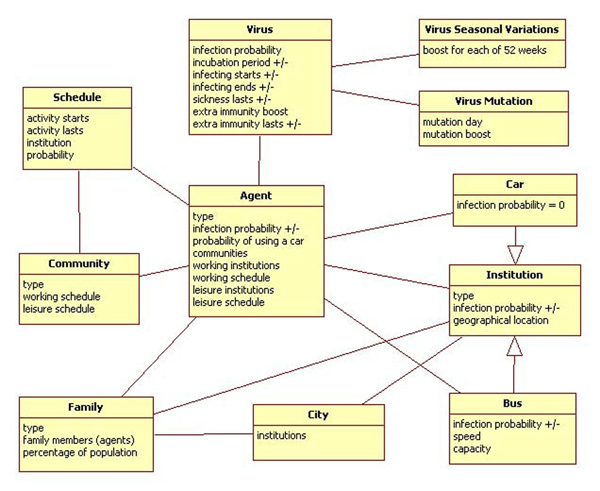
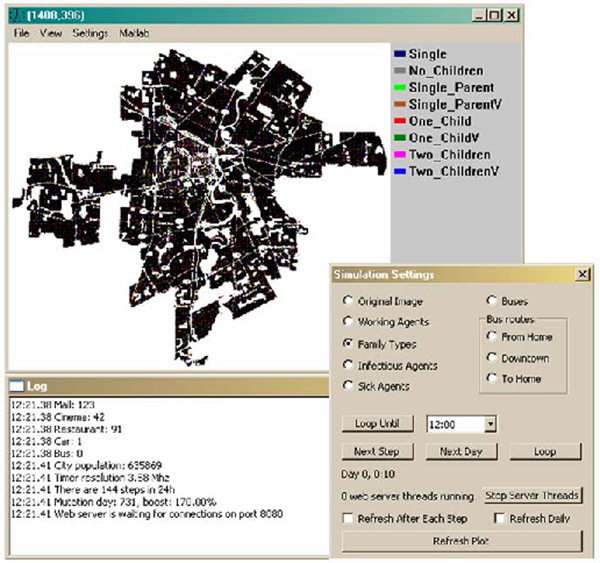
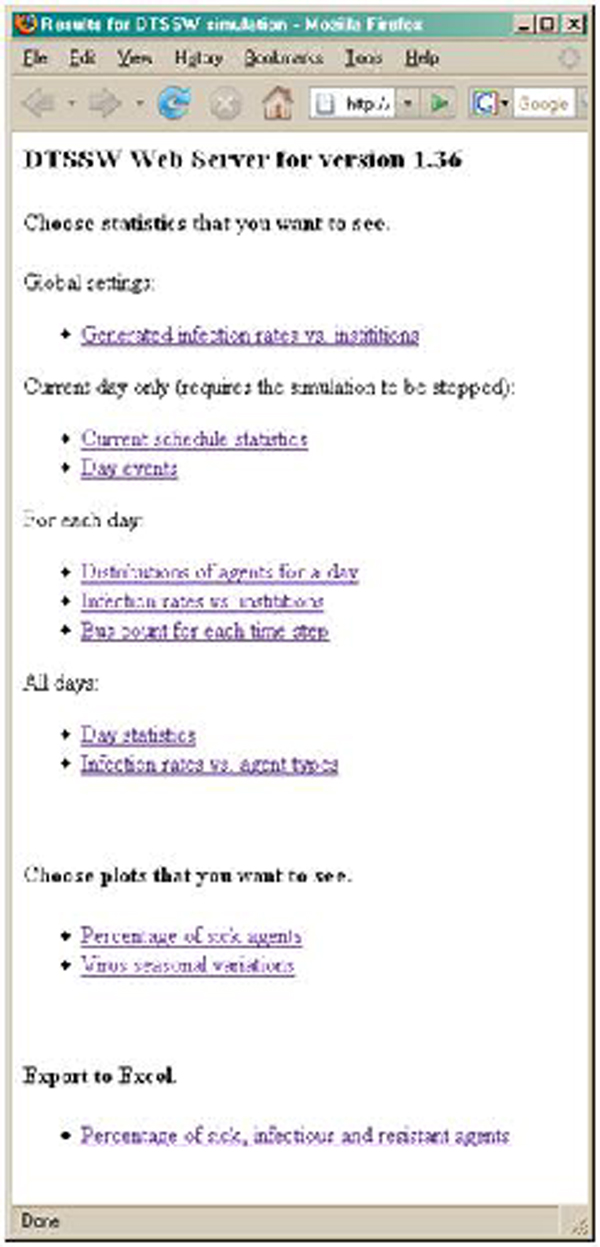
An agent-based model was developed based on a paradigm of a 'discrete-space scheduled walker' (DSSW), modeling a medium-sized North American City of 650,000 discrete agents, built upon a conceptual framework of statistical reasoning (law of large numbers, statistical mechanics) as well as a correct-by-construction bias. The model addresses where, who, when and what elements, corresponding to network topography and agent characteristics, behaviours, and interactions upon that topography. The DSSW-ABM has an interface and associated scripts that allow for a variety of what-if scenarios modeling disease spread throughout the population, and for data to be collected and displayed via a web browser.
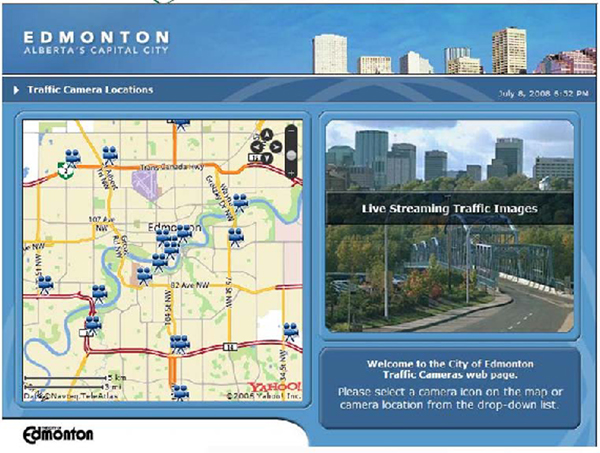
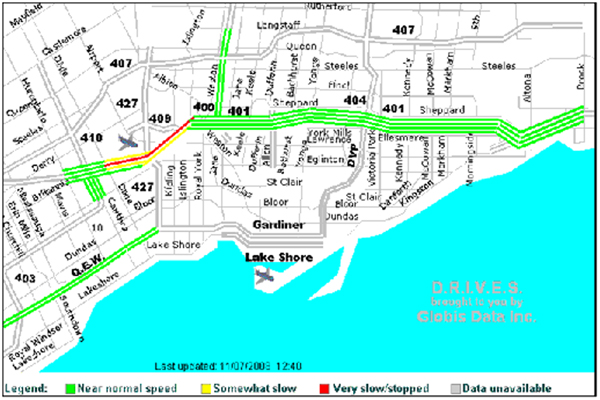
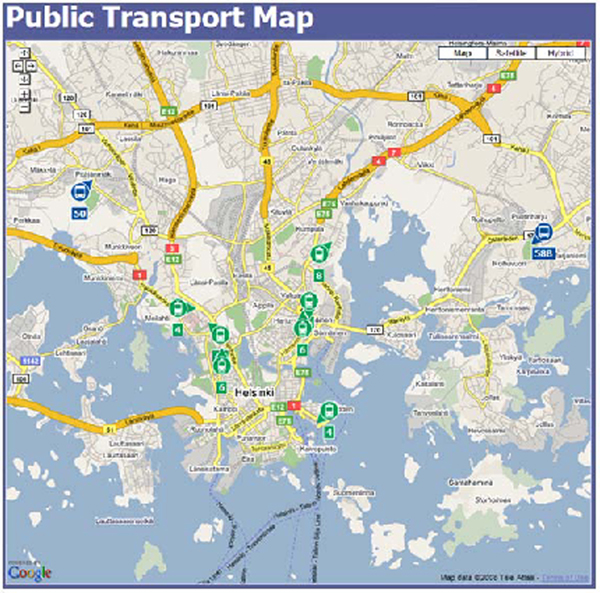
This exploratory paper also presents several research opportunities for exploiting data sources of a non-obvious and disparate nature for the purposes of epidemic modeling. There is an increasing amount and variety of data that will continue to contribute to the accuracy of agent-based models and improve their utility in modeling disease spread. The model developed here is well suited to diseases where there is not a predisposition for contraction within the population. One of the advantages of agent-based modeling is the ability to set up a rare event and develop policy as to how one may mitigate damages arising from it.
本文概述了一个基于传染病在城市环境中传播的基于代理的、数据驱动模型构建的传染病模拟程序。该模型的目的是深入了解疾病如何达到临界点,传播到不可控制的流行病程度。
作为对分析方法的补充,模拟可以说是更好地了解人群中疾病系统级动态的有效手段,并在其建模能力方面具有更大的实用性。我们的研究基于这一假设,基于合理、现实和实用的数据驱动模型,试图证明其在研究系统范围的流行现象方面的有效性。基于代理的模型 (ABM) 在扩展对爆发或灾难前后的现象的研究方面提供了很大的灵活性。
基于“离散空间调度步行者”(DSSW)的范例开发了基于代理的模型,该模型模拟了一个拥有 65 万离散代理的中等规模的北美城市,建立在统计推理(大数定律、统计力学)的概念框架以及正确构造的偏差之上。该模型解决了网络拓扑和代理特征、行为以及在该拓扑上的相互作用对应的位置、人员、时间和要素。DSSW-ABM 具有接口和相关脚本,允许对各种“如果”场景进行建模,以在人群中传播疾病,并通过网络浏览器收集和显示数据。
本文还提出了利用具有非明显和不同性质的数据来源进行传染病建模的若干研究机会。具有越来越多的各种数据将继续提高基于代理的模型的准确性,并提高其在疾病传播建模中的实用性。这里开发的模型非常适合于人群中不存在易感染倾向的疾病。基于代理的建模的一个优势是能够设置一个罕见事件,并制定如何减轻由此产生的损害的政策。