Division of Vertebrate Zoology, American Museum of Natural History, New York, New York, USA.
PLoS One. 2009 Nov 18;4(11):e7866. doi: 10.1371/journal.pone.0007866.
The use of DNA barcodes for the identification of described species is one of the least controversial and most promising applications of barcoding. There is no consensus, however, as to what constitutes an appropriate identification standard and most barcoding efforts simply attempt to pair a query sequence with reference sequences and deem identification successful if it falls within the bounds of some pre-established cutoffs using genetic distance. Since the Renaissance, however, most biological classification schemes have relied on the use of diagnostic characters to identify and place species.
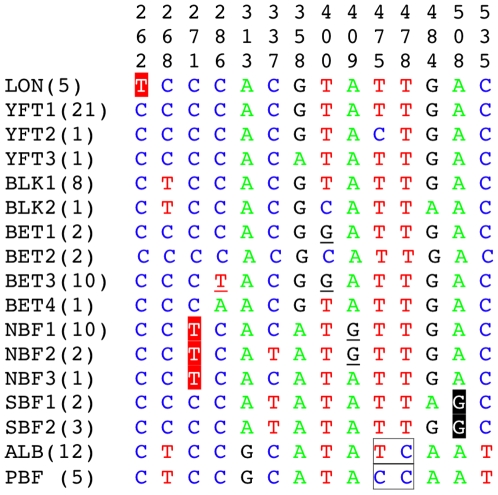
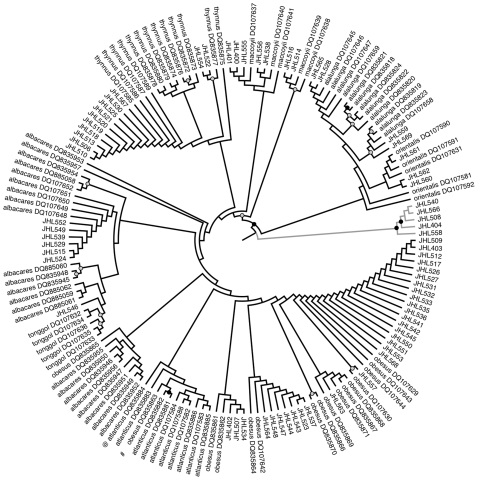
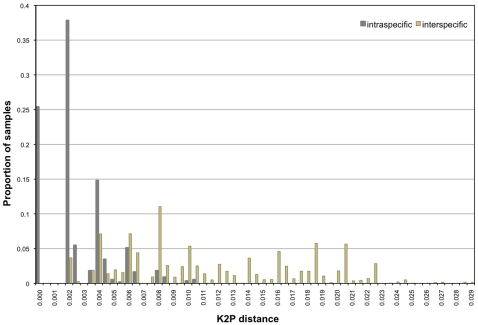
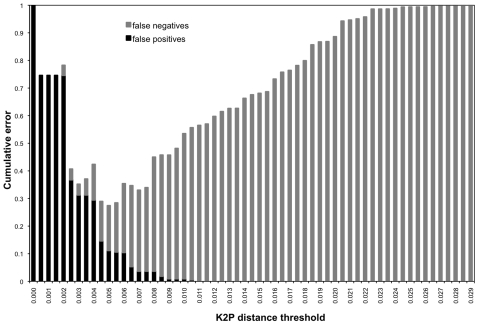
METHODOLOGY/PRINCIPAL FINDINGS: Here we developed a cytochrome c oxidase subunit I character-based key for the identification of all tuna species of the genus Thunnus, and compared its performance with distance-based measures for identification of 68 samples of tuna sushi purchased from 31 restaurants in Manhattan (New York City) and Denver, Colorado. Both the character-based key and GenBank BLAST successfully identified 100% of the tuna samples, while the Barcode of Life Database (BOLD) as well as genetic distance thresholds, and neighbor-joining phylogenetic tree building performed poorly in terms of species identification. A piece of tuna sushi has the potential to be an endangered species, a fraud, or a health hazard. All three of these cases were uncovered in this study. Nineteen restaurant establishments were unable to clarify or misrepresented what species they sold. Five out of nine samples sold as a variant of "white tuna" were not albacore (T. alalunga), but escolar (Lepidocybium flavorunneum), a gempylid species banned for sale in Italy and Japan due to health concerns. Nineteen samples were northern bluefin tuna (T. thynnus) or the critically endangered southern bluefin tuna (T. maccoyii), though nine restaurants that sold these species did not state these species on their menus.
CONCLUSIONS/SIGNIFICANCE: The Convention on International Trade Endangered Species (CITES) requires that listed species must be identifiable in trade. This research fulfills this requirement for tuna, and supports the nomination of northern bluefin tuna for CITES listing in 2010.
DNA 条码在已描述物种的鉴定中应用是条码技术最无争议且最有前景的应用之一。然而,对于什么才是适当的鉴定标准,尚未达成共识。大多数条码工作只是尝试将查询序列与参考序列进行配对,如果它落在使用遗传距离预先设定的一些界限内,就认为鉴定成功。然而,自文艺复兴以来,大多数生物分类方案都依赖于使用诊断特征来识别和确定物种。
方法/主要发现:在这里,我们为金枪鱼属的所有金枪鱼物种开发了基于细胞色素 c 氧化酶亚基 I 特征的鉴定钥匙,并将其与距离为基础的鉴定方法进行了比较,该鉴定方法用于鉴定从曼哈顿(纽约市)和科罗拉多州丹佛市的 31 家餐厅购买的 68 个金枪鱼寿司样本。基于特征的钥匙和 GenBank BLAST 都成功地鉴定了 100%的金枪鱼样本,而 BOLD(生命条码数据库)以及遗传距离阈值和邻接法系统发育树构建在物种鉴定方面表现不佳。一片金枪鱼寿司有可能是濒危物种、欺诈品或健康危害。在本研究中发现了所有这三种情况。有 19 家餐厅无法澄清或错误地表示他们出售的物种。在作为“白金枪鱼”变体出售的 9 个样本中,有 5 个不是大眼金枪鱼(T. alalunga),而是圆舵鲣(Lepidocybium flavorunneum),由于健康问题,这种鱼在意大利和日本被禁止销售。有 19 个样本是北方蓝鳍金枪鱼(T. thynnus)或濒临灭绝的南方蓝鳍金枪鱼(T. maccoyii),尽管有 9 家销售这些物种的餐厅没有在菜单上注明这些物种。
结论/意义:濒危野生动植物种国际贸易公约(CITES)要求贸易中的列出物种必须可识别。本研究满足了金枪鱼的这一要求,并支持了北方蓝鳍金枪鱼在 2010 年被 CITES 列入名单的提名。