Department of Applied Physics, Xi'an Jiaotong University, Xi'an 710049, China.
J Lipid Res. 2010 May;51(5):1228-36. doi: 10.1194/jlr.D002493. Epub 2009 Nov 16.
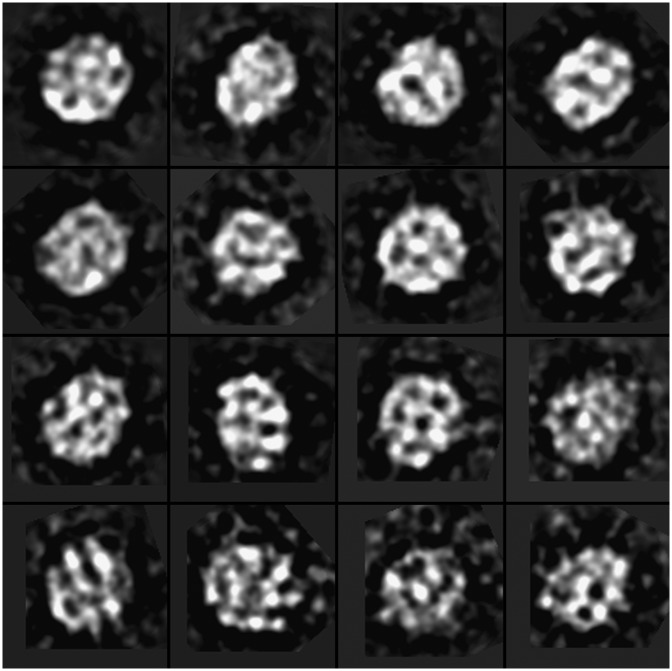
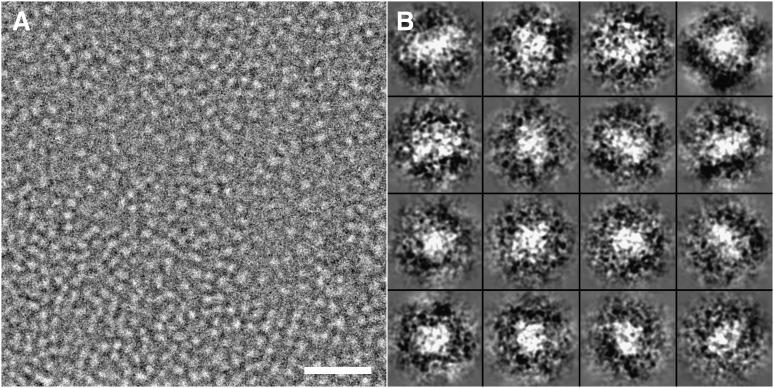
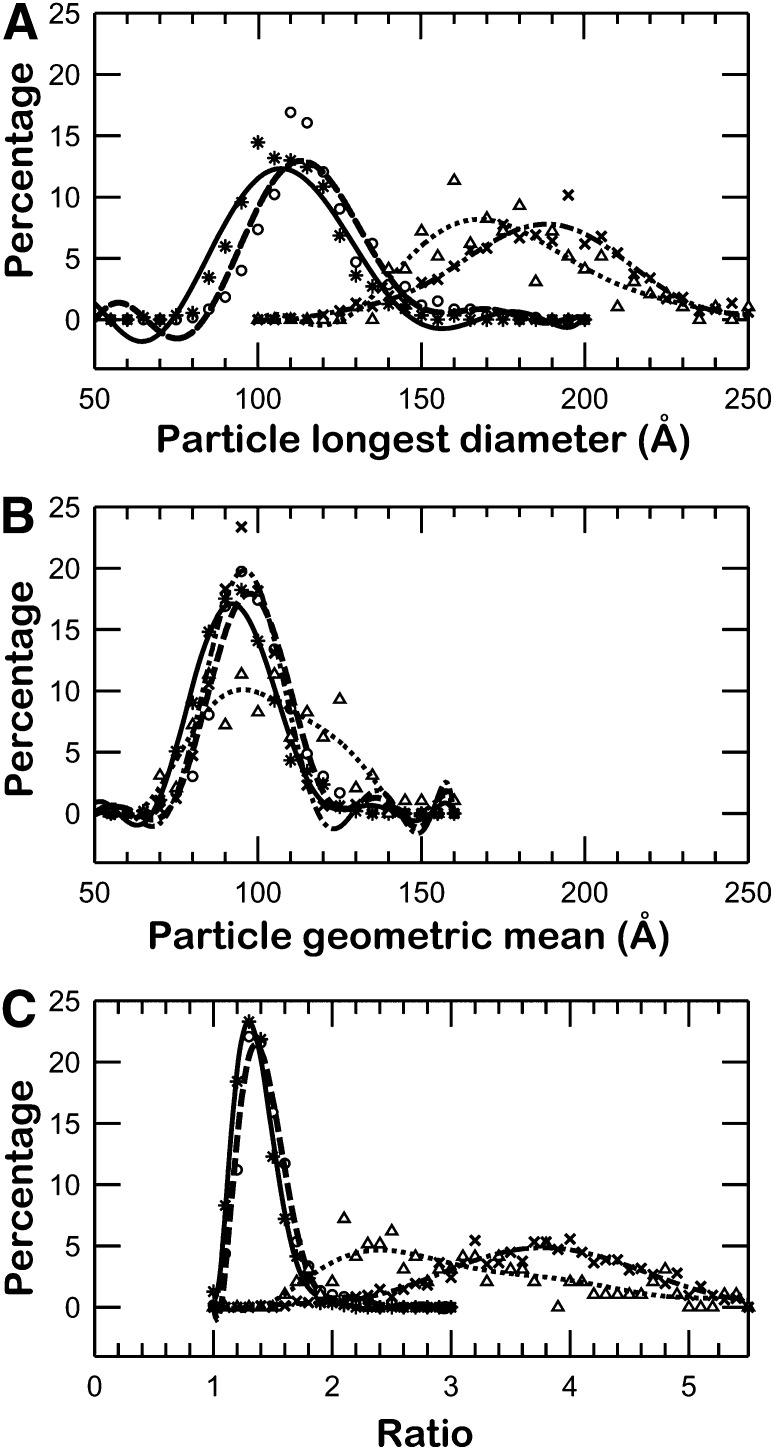
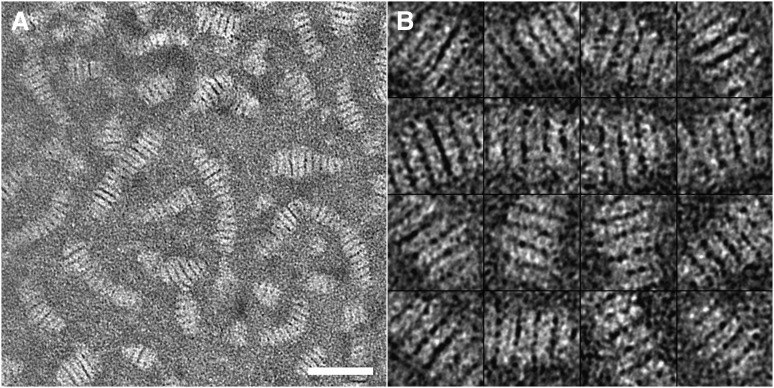
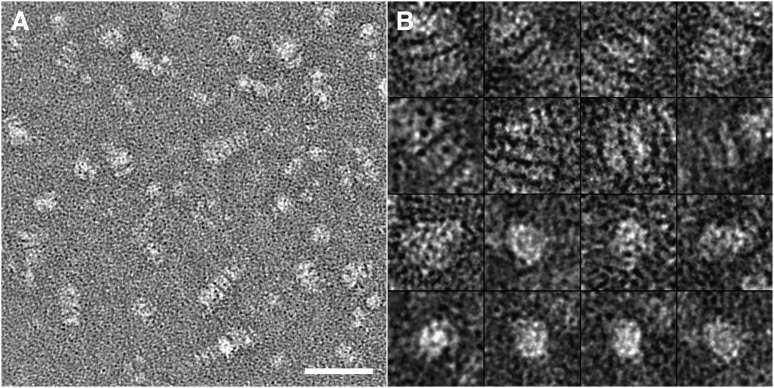
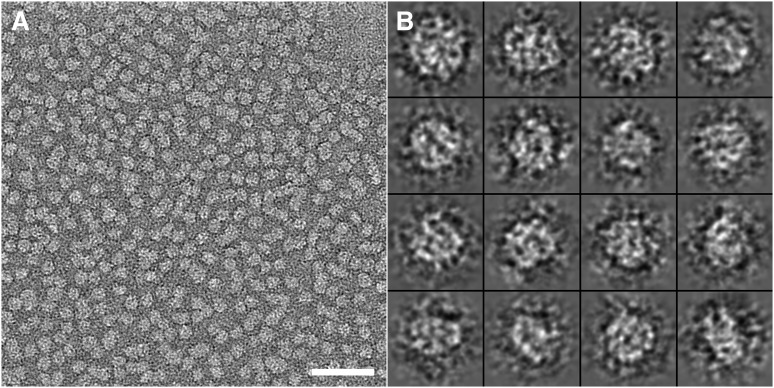
Apolipoprotein E (apoE), one of the major protein components of lipoproteins in the peripheral and central nervous systems, regulates cholesterol metabolism through its interaction with members of the low density lipoprotein receptor family. One key to understanding apoE function is determining the structure of lipid-bound forms of apoE. Negative-staining (NS) electron microscopy (EM) is an easy and rapid approach for studying the structure and morphology of lipid-bound forms of apoE. However, an artifact of using the conventional NS protocol is that the apoE phospholipid particles form rouleaux. In this study, we used cryo-electron microscopy (cryo-EM) to examine apoE4 palmitoyl-oleoylphosphatidylcholine (POPC) particles in a frozen-hydrated native state. By comparing the particle sizes and shapes produced by different NS protocols to those produced by cryo-EM, we propose an optimized protocol to examine apoE4 POPC particles. Statistical analysis demonstrated that the particle sizes differ by less than 5% between the optimized protocol and the cryo-EM method, with similar shapes. The high contrast and fine detail of particle images produced using this optimized protocol lend themselves to the structural study of lipid-bound forms of apoE.
载脂蛋白 E(apoE)是外周和中枢神经系统脂蛋白的主要蛋白成分之一,通过与低密度脂蛋白受体家族成员相互作用来调节胆固醇代谢。了解 apoE 功能的关键之一是确定 apoE 与脂质结合形式的结构。负染色(NS)电子显微镜(EM)是研究 apoE 与脂质结合形式的结构和形态的简单快速方法。然而,使用传统 NS 方案的一个问题是 apoE 磷脂颗粒形成卷。在这项研究中,我们使用冷冻电子显微镜(cryo-EM)检查冷冻水合天然状态下 apoE4 棕榈酰-油酰磷脂酰胆碱(POPC)颗粒。通过比较不同 NS 方案产生的颗粒大小和形状与 cryo-EM 产生的颗粒大小和形状,我们提出了一种优化方案来检查 apoE4 POPC 颗粒。统计分析表明,优化方案与 cryo-EM 方法之间的颗粒大小差异小于 5%,形状相似。使用这种优化方案产生的颗粒图像具有高对比度和精细细节,非常适合 apoE 与脂质结合形式的结构研究。