W. Harry Feinstone Department of Molecular Microbiology and Immunology, Johns Hopkins Bloomberg School of Public Health, 615 N. Wolfe St #E5132, Baltimore, MD, USA.
Prog Neurobiol. 2010 Jun;91(2):95-101. doi: 10.1016/j.pneurobio.2009.12.003. Epub 2009 Dec 10.
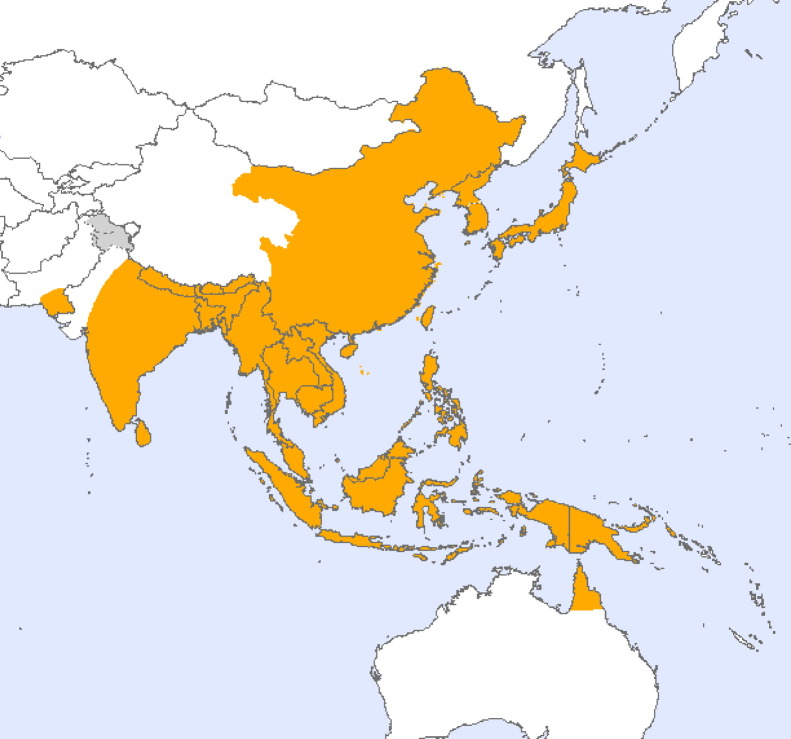
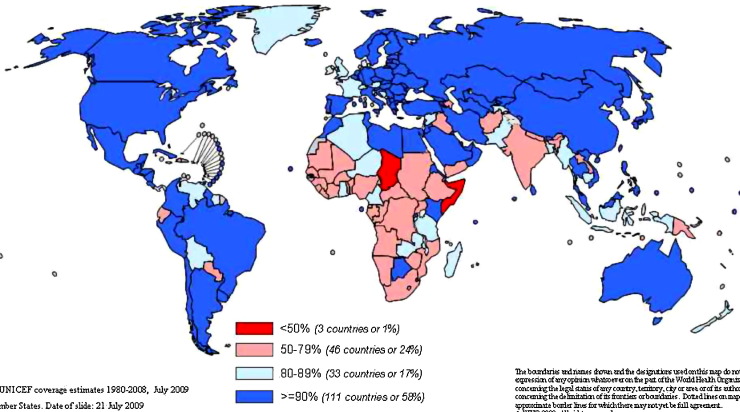
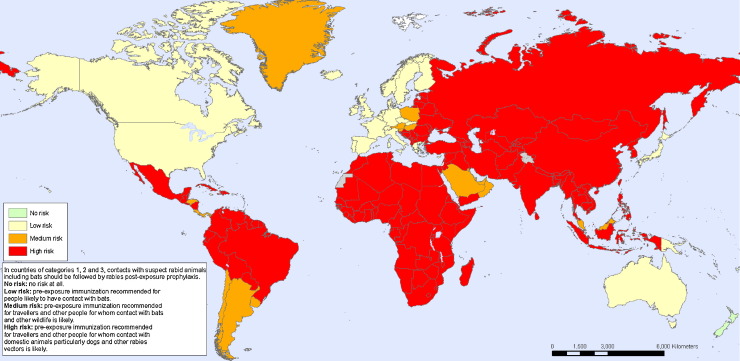
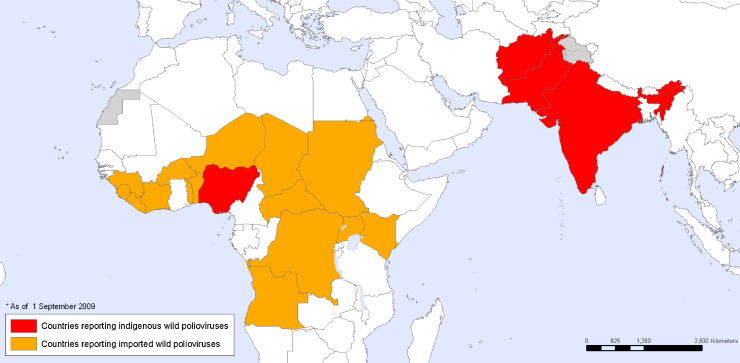
Neurologic disease is a major cause of disability in resource-poor countries and a substantial portion of this disease is due to infections of the CNS. A wide variety of emerging and re-emerging viruses contribute to this disease burden. New emerging infections are commonly due to RNA viruses that have expanded their geographic range, spread from animal reservoirs or acquired new neurovirulence properties. Mosquito-borne viruses with expanding ranges include West Nile virus, Japanese encephalitis virus and Chikungunya virus. Zoonotic viruses that have recently crossed into humans to cause neurologic disease include the bat henipaviruses Nipah and Hendra, as well as the primate-derived human immunodeficiency virus. Viruses adapt to new hosts, or to cause more severe disease, by changing their genomes through reassortment (e.g. influenza virus), mutation (essentially all RNA viruses) and recombination (e.g. vaccine strains of poliovirus). Viruses that appear to have recently become more neurovirulent include West Nile virus, enterovirus 71 and possibly Chikungunya virus. In addition to these newer challenges, rabies, polio and measles all remain important causes of neurologic disease despite good vaccines and global efforts toward control. Control of human rabies depends on elimination of rabies in domestic dogs through regular vaccination. Poliovirus eradication is challenged by the ability of the live attenuated vaccine strains to revert to virulence during the prolonged period of gastrointestinal replication. Measles elimination depends on delivery of two doses of live virus vaccine to a high enough proportion of the population to maintain herd immunity for this highly infectious virus.
神经疾病是资源匮乏国家残疾的主要原因,其中相当一部分疾病是由中枢神经系统感染引起的。广泛的新发和再发病毒导致了这种疾病负担。新出现的感染通常是由于 RNA 病毒扩大了其地理范围,从动物宿主传播或获得了新的神经毒力特性。蚊媒传播病毒的范围不断扩大,包括西尼罗河病毒、日本脑炎病毒和基孔肯雅热病毒。最近传入人类引起神经疾病的人畜共患病毒包括蝙蝠亨尼帕病毒和亨德拉病毒,以及源自灵长类动物的人类免疫缺陷病毒。病毒通过重配(例如流感病毒)、突变(基本上所有 RNA 病毒)和重组(例如脊髓灰质炎病毒的疫苗株)来改变基因组,从而适应新的宿主或导致更严重的疾病。似乎最近变得更具神经毒力的病毒包括西尼罗河病毒、肠道病毒 71 病毒,可能还有基孔肯雅热病毒。除了这些新的挑战之外,尽管有良好的疫苗和全球控制努力,狂犬病、脊髓灰质炎和麻疹仍然是神经疾病的重要原因。人类狂犬病的控制取决于通过定期接种疫苗消除家养犬中的狂犬病。脊髓灰质炎病毒的根除受到活减毒疫苗株在胃肠道复制的长时间内恢复毒力的能力的挑战。麻疹的消除取决于向足够高比例的人群接种两剂活病毒疫苗,以维持这种高度传染性病毒的群体免疫力。