Bioprocessing Technology Institute, Agency for Science, Technology and Research (A STAR), Singapore 138668, Republic of Singapore.
J R Soc Interface. 2010 Jul 6;7(48):1033-47. doi: 10.1098/rsif.2009.0471. Epub 2009 Dec 18.
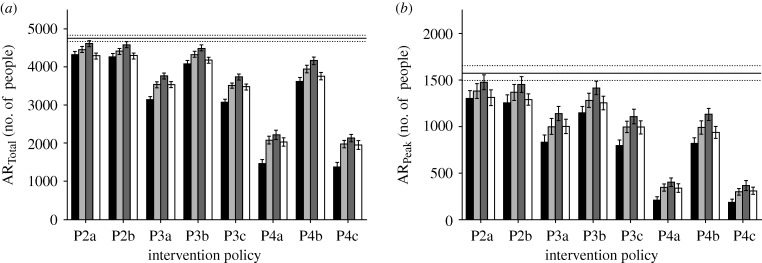
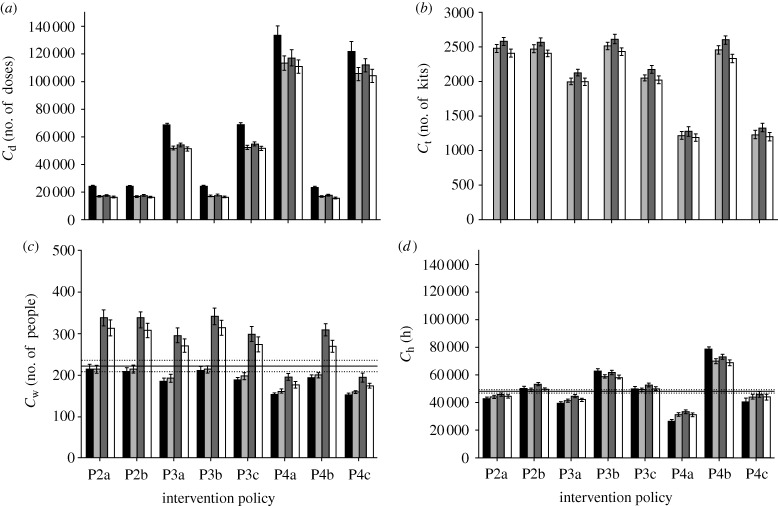
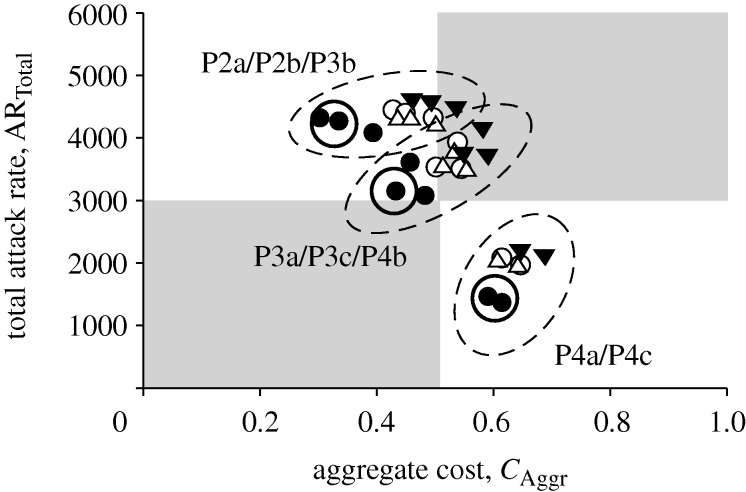
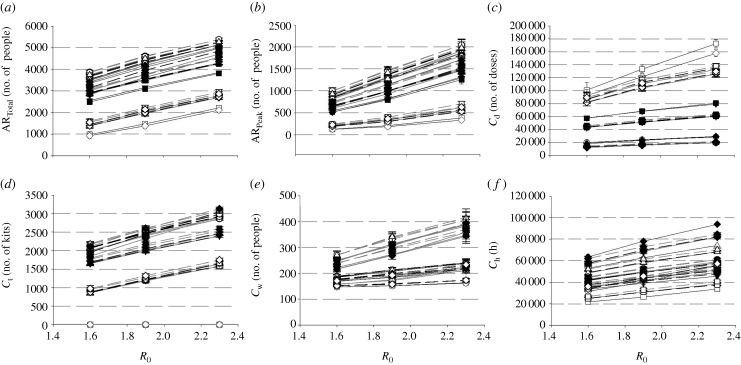
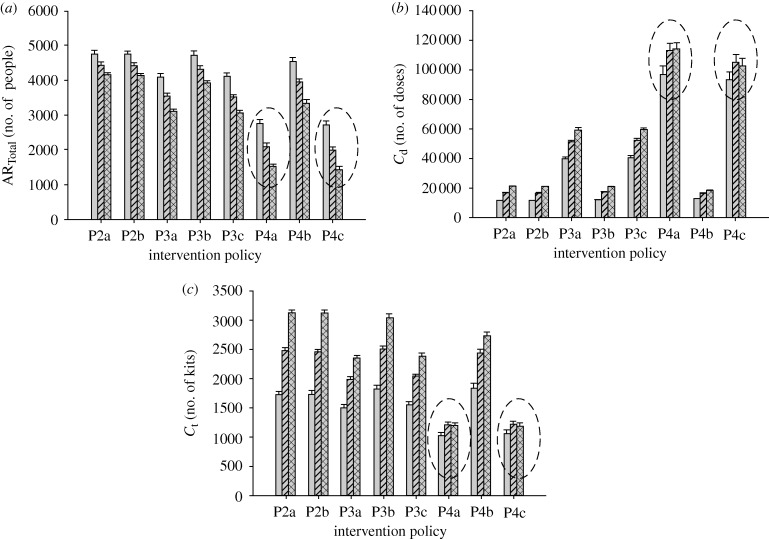
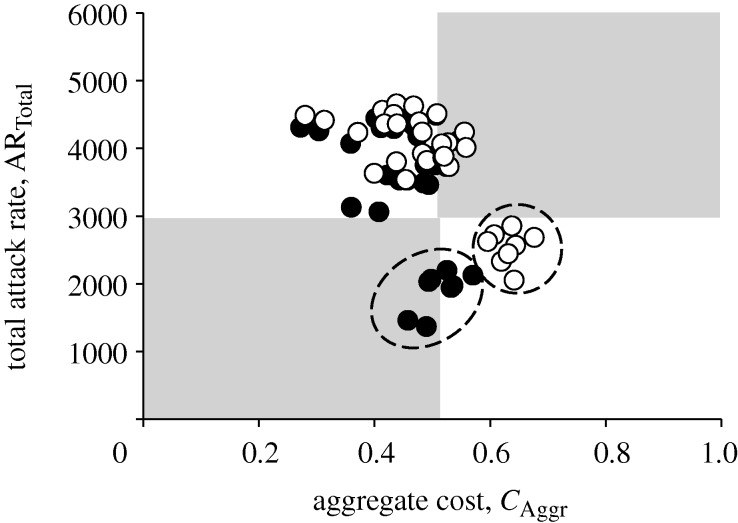
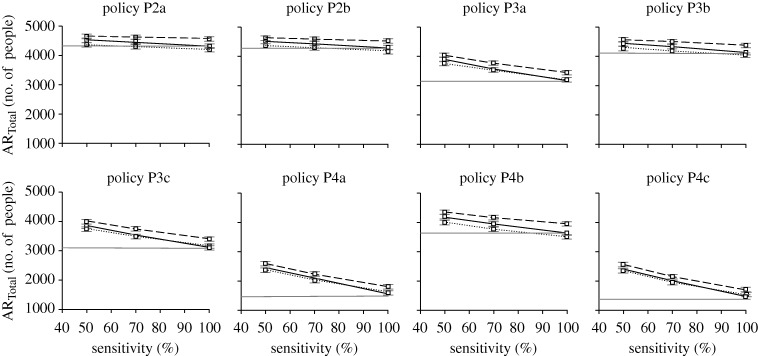
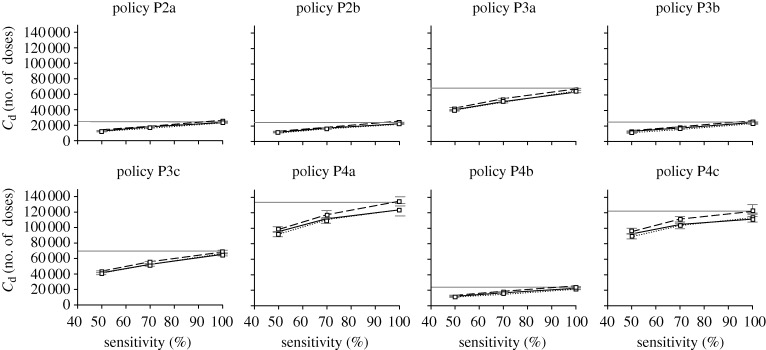
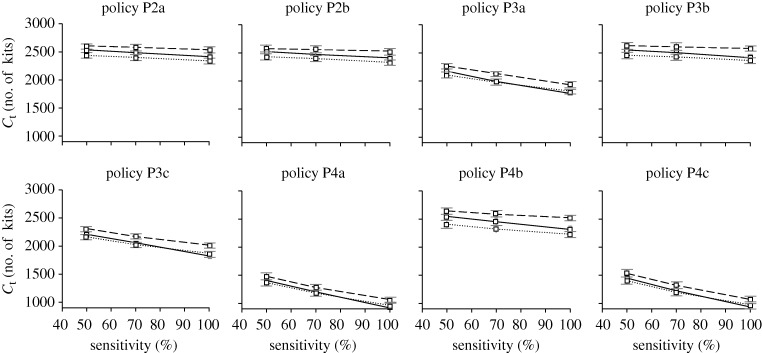
It is widely feared that a novel, highly pathogenic, human transmissible influenza virus may evolve that could cause the next global pandemic. Mitigating the spread of such an influenza pandemic would require not only the timely administration of antiviral drugs to those infected, but also the implementation of suitable intervention policies for stunting the spread of the virus. Towards this end, mathematical modelling and simulation studies are crucial as they allow us to evaluate the predicted effectiveness of the various intervention policies before enforcing them. Diagnosis plays a vital role in the overall pandemic management framework by detecting and distinguishing the pathogenic strain from the less threatening seasonal strains and other influenza-like illnesses. This allows treatment and intervention to be deployed effectively, given limited antiviral supplies and other resources. However, the time required to design a fast and accurate testkit for novel strains may limit the role of diagnosis. Herein, we aim to investigate the cost and effectiveness of different diagnostic methods using a stochastic agent-based city-scale model, and then address the issue of whether conventional testing approaches, when used with appropriate intervention policies, can be as effective as fast testkits in containing a pandemic outbreak. We found that for mitigation purposes, fast and accurate testkits are not necessary as long as sufficient medication is given, and are generally recommended only when used with extensive contact tracing and prophylaxis. Additionally, in the event of insufficient medication and fast testkits, the use of slower, conventional testkits together with proper isolation policies while waiting for the diagnostic results can be an equally effective substitute.
人们普遍担心,一种新型的、高致病性的、可在人与人之间传播的流感病毒可能会出现,从而引发下一次全球大流行。为了减轻这种流感大流行的传播,不仅需要及时向感染者提供抗病毒药物,还需要实施适当的干预政策来减缓病毒的传播。为此,数学建模和模拟研究至关重要,因为它们使我们能够在实施各种干预政策之前评估其预测效果。诊断在整体大流行管理框架中起着至关重要的作用,它可以检测和区分致病株与威胁性较小的季节性株以及其他类似流感的疾病。这使得在抗病毒药物和其他资源有限的情况下,可以有效地进行治疗和干预。然而,为新菌株设计快速准确的检测试剂盒所需的时间可能会限制诊断的作用。在此,我们旨在使用随机基于主体的城市规模模型来研究不同诊断方法的成本和效果,然后解决当使用适当的干预政策时,常规检测方法是否可以像快速检测试剂盒一样有效地控制大流行爆发的问题。我们发现,对于缓解目的而言,只要有足够的药物,快速准确的检测试剂盒并不是必需的,只有在广泛进行接触者追踪和预防时才推荐使用。此外,在药物和快速检测试剂盒不足的情况下,在等待诊断结果的同时,使用较慢的常规检测试剂盒并结合适当的隔离政策,也可以作为一种同样有效的替代方案。