Department of Microbiology and Immunology, University of Michigan Medical School, Ann Arbor, MI 48109, USA.
J Immunol. 2010 Feb 15;184(4):2065-75. doi: 10.4049/jimmunol.0902386. Epub 2010 Jan 18.
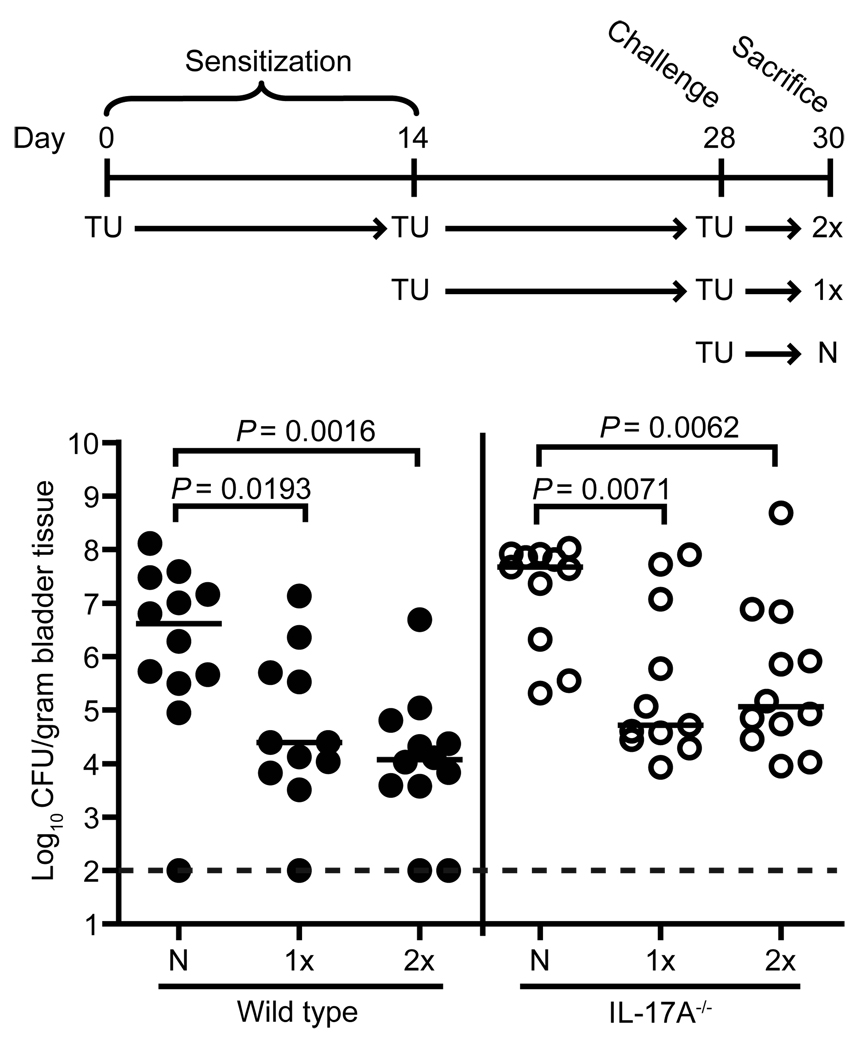
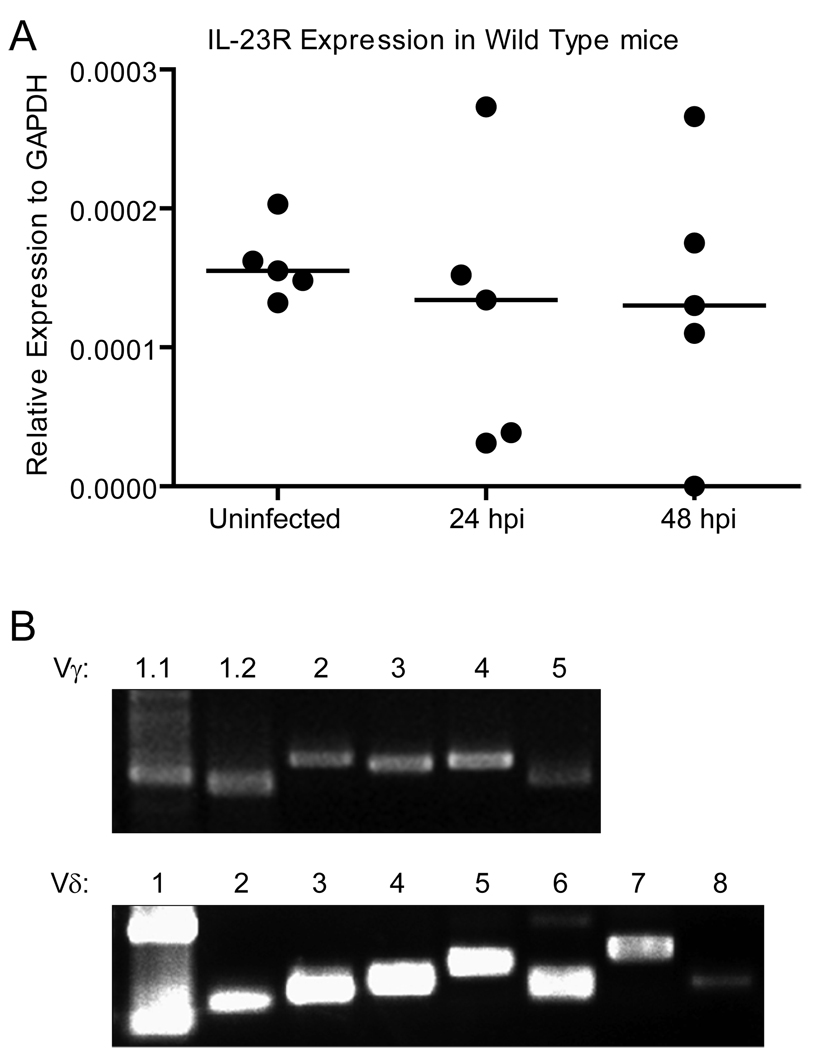
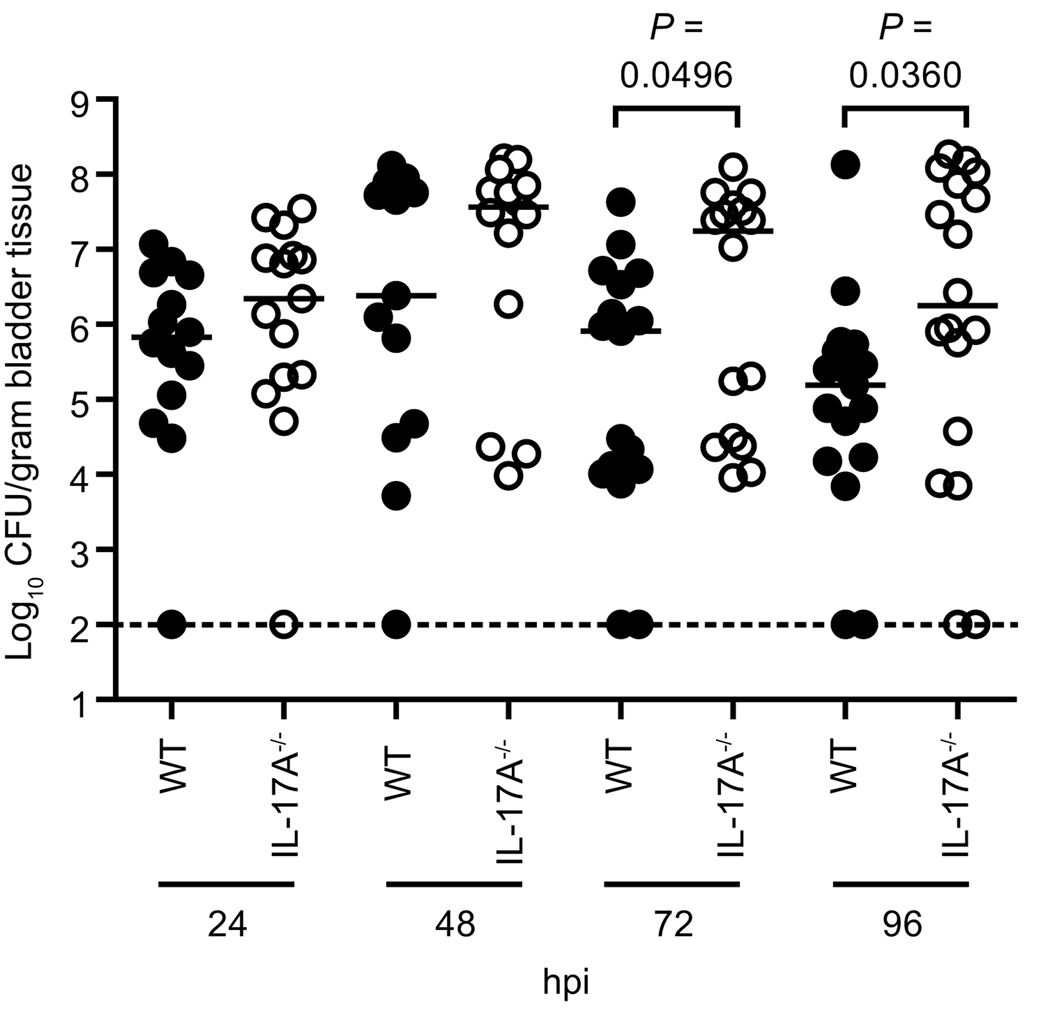
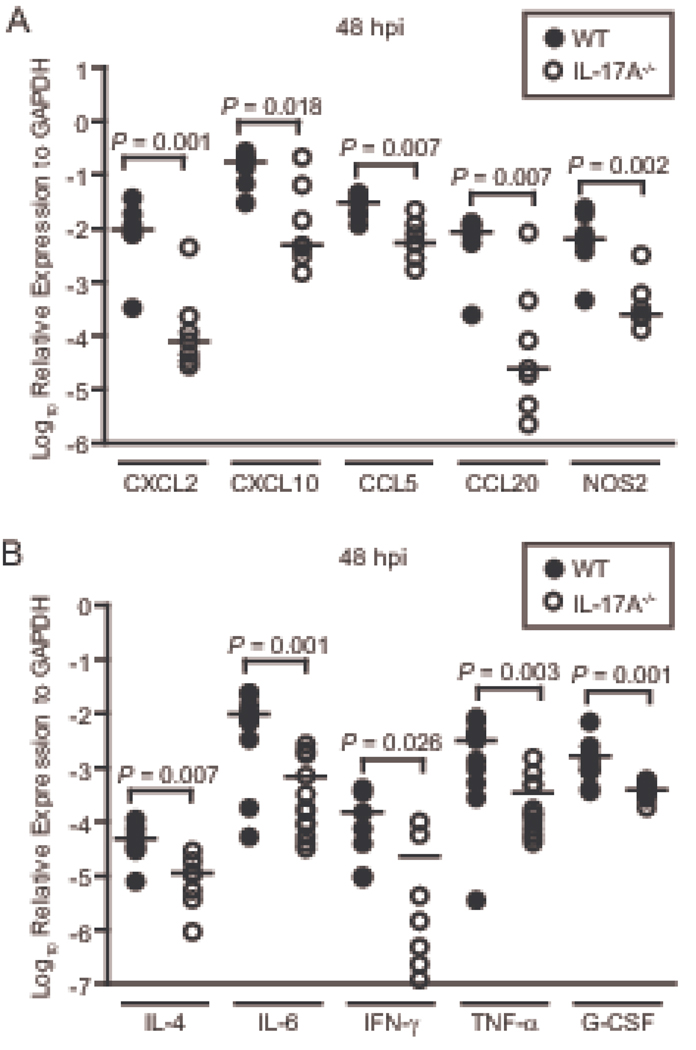
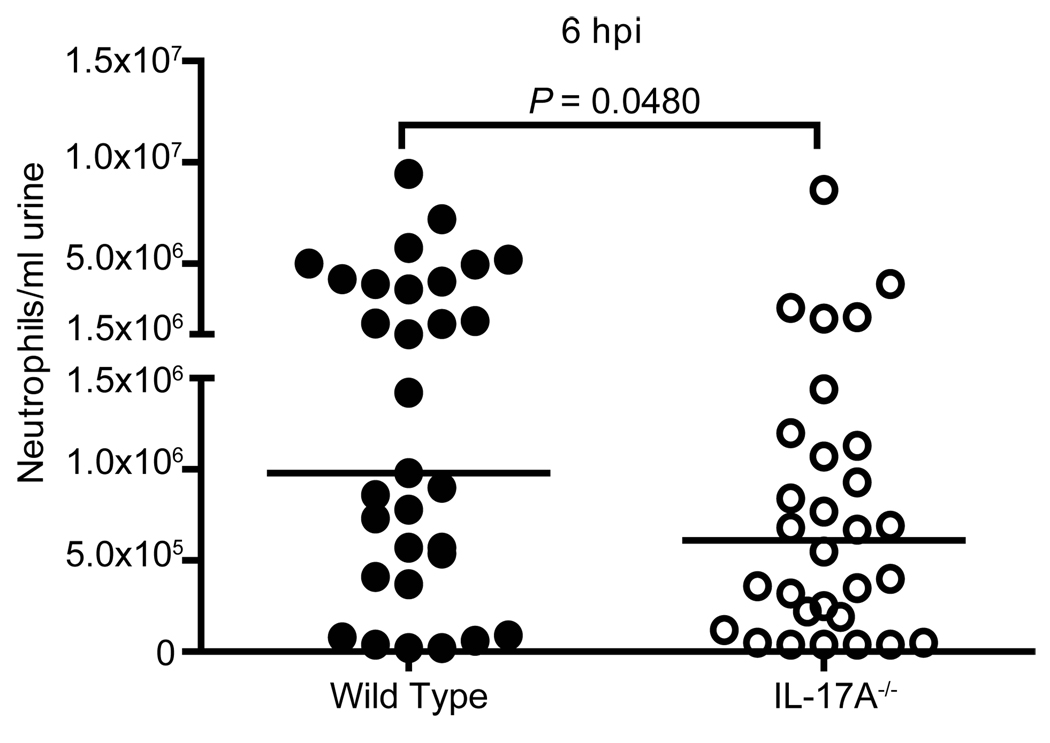
Uropathogenic Escherichia coli is the causative agent for >80% of uncomplicated urinary tract infections (UTIs). Uropathogenic E. coli strains express a number of virulence and fitness factors that allow successful colonization of the mammalian bladder. To combat this, the host has distinct mechanisms to prevent adherence to the bladder wall and to detect and kill uropathogenic E. coli in the event of colonization. In this study, we investigated the role of IL-17A, an innate-adaptive immunomodulatory cytokine, during UTI using a murine model. Splenocytes isolated from mice infected by the transurethral route robustly expressed IL-17A in response to in vitro stimulation with uropathogenic E. coli Ags. Transcript expression of IL-17A in the bladders of infected mice correlated with a role in the innate immune response to UTI, and gammadelta cells seem to be a key source of IL-17A production. Although IL-17A seems to be dispensable for the generation of a protective response to uropathogenic E. coli, its importance in innate immunity is demonstrated by a defect in acute clearance of uropathogenic E. coli in IL-17A(-/-) mice. This clearance defect is likely a result of deficient cytokine and chemokine transcripts and impaired macrophage and neutrophil influx during infection. These results show that IL-17A is a key mediator for the innate immune response to UTIs.
尿路致病性大肠杆菌是 80%以上单纯性尿路感染 (UTI) 的病原体。尿路致病性大肠杆菌株表达了许多毒力和适应性因素,使它们能够成功地定植于哺乳动物的膀胱。为了对抗这种情况,宿主有独特的机制来防止与膀胱壁的黏附,并在定植时检测和杀死尿路致病性大肠杆菌。在这项研究中,我们使用小鼠模型研究了白细胞介素 17A(一种先天-适应性免疫调节细胞因子)在尿路感染中的作用。经尿道途径感染的小鼠的脾细胞在体外受到尿路致病性大肠杆菌抗原刺激后,强烈表达白细胞介素 17A。感染小鼠膀胱中白细胞介素 17A 的转录表达与在尿路感染的先天免疫反应中起作用相关,而 gammadelta 细胞似乎是白细胞介素 17A 产生的关键来源。尽管白细胞介素 17A 似乎对产生针对尿路致病性大肠杆菌的保护性反应是可有可无的,但它在先天免疫中的重要性表现在白细胞介素 17A(-/-)小鼠中尿路致病性大肠杆菌的急性清除能力缺陷。这种清除缺陷可能是由于感染期间细胞因子和趋化因子转录物缺陷以及巨噬细胞和中性粒细胞浸润受损所致。这些结果表明,白细胞介素 17A 是尿路感染先天免疫反应的关键介质。