Chair of General Pathology & Neuropathology, Institute of Veterinary Pathology, Ludwig-Maximilians-University, Munich, Germany.
J Neuroinflammation. 2010 Jan 28;7:7. doi: 10.1186/1742-2094-7-7.
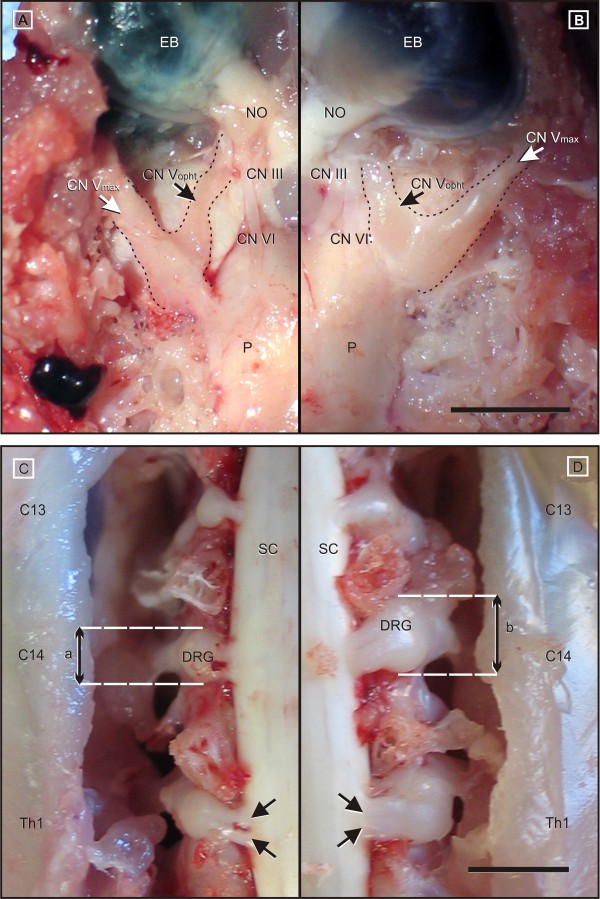
Sudden limb paresis is a common problem in White Leghorn flocks, affecting about 1% of the chicken population before achievement of sexual maturity. Previously, a similar clinical syndrome has been reported as being caused by inflammatory demyelination of peripheral nerve fibres. Here, we investigated in detail the immunopathology of this paretic syndrome and its possible resemblance to human neuropathies.
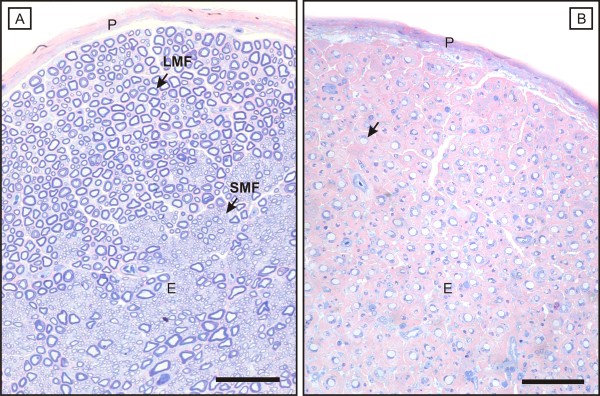
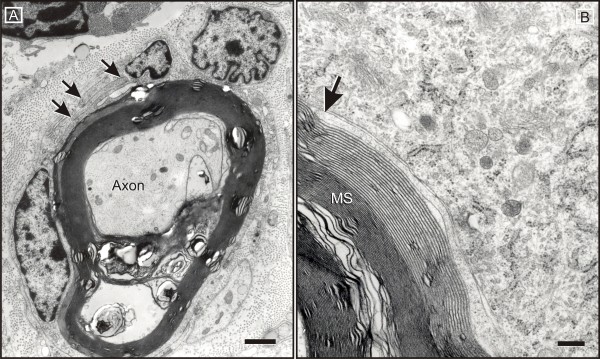
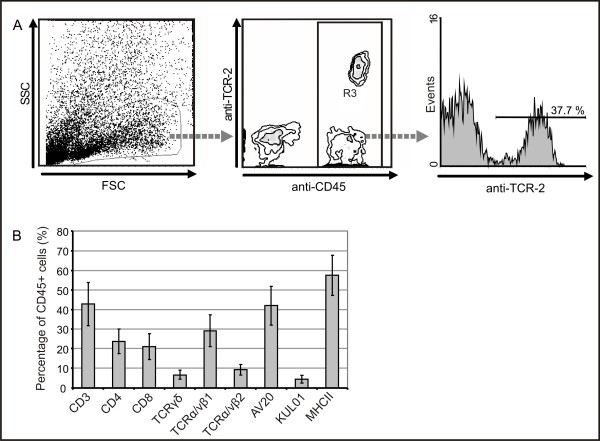
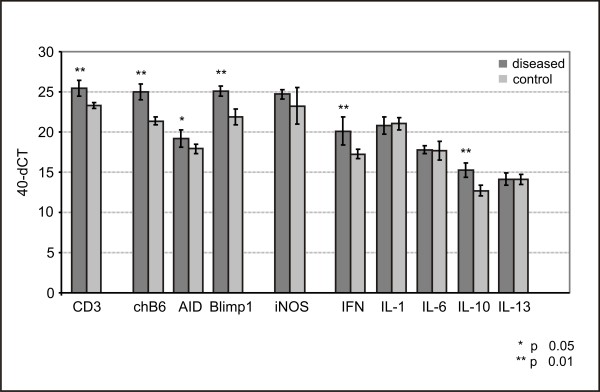
Neurologically affected chickens and control animals from one single flock underwent clinical and neuropathological examination. Peripheral nervous system (PNS) alterations were characterised using standard morphological techniques, including nerve fibre teasing and transmission electron microscopy. Infiltrating cells were phenotyped immunohistologically and quantified by flow cytometry. The cytokine expression pattern was assessed by quantitative real-time PCR (qRT-PCR). These investigations were accomplished by MHC genotyping and a PCR screen for Marek's disease virus (MDV).
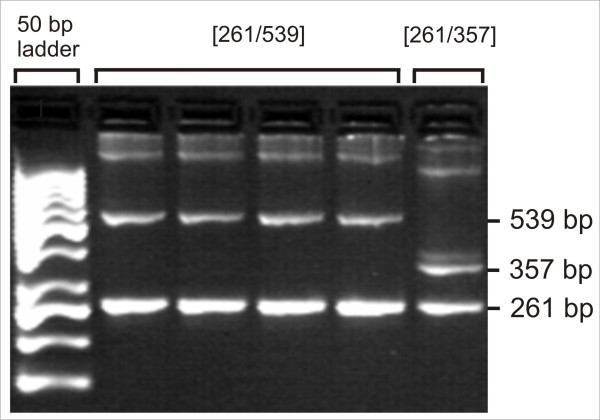
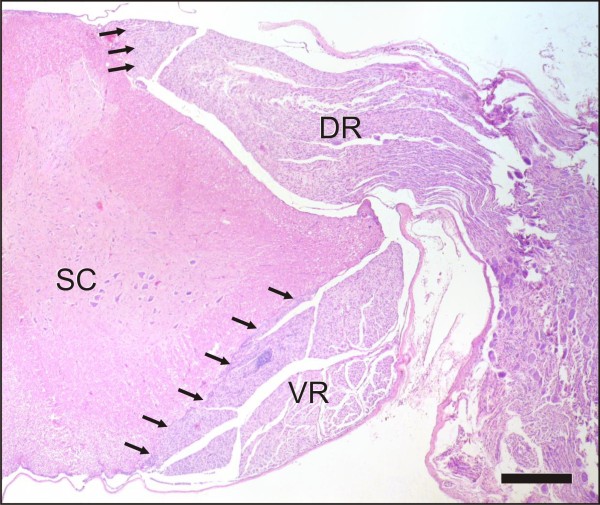
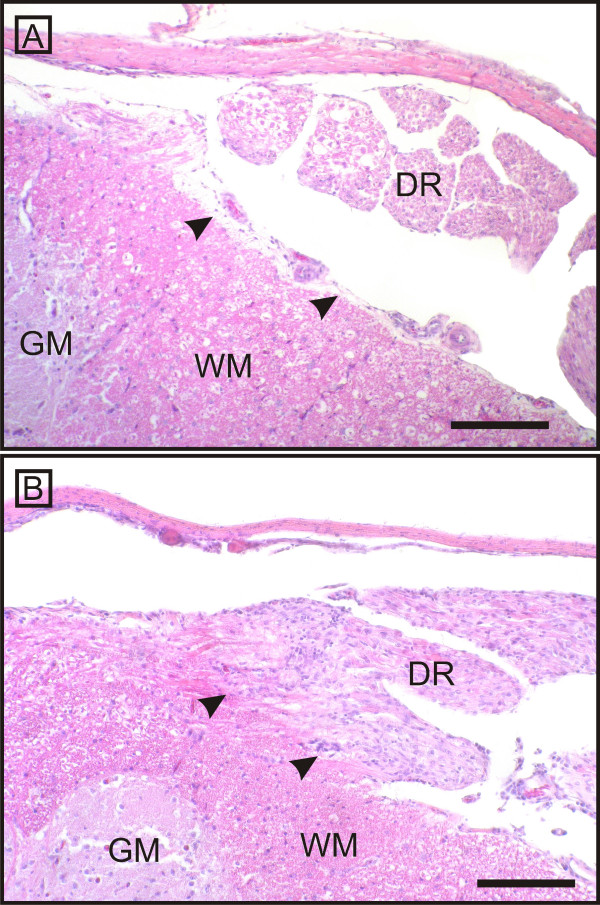
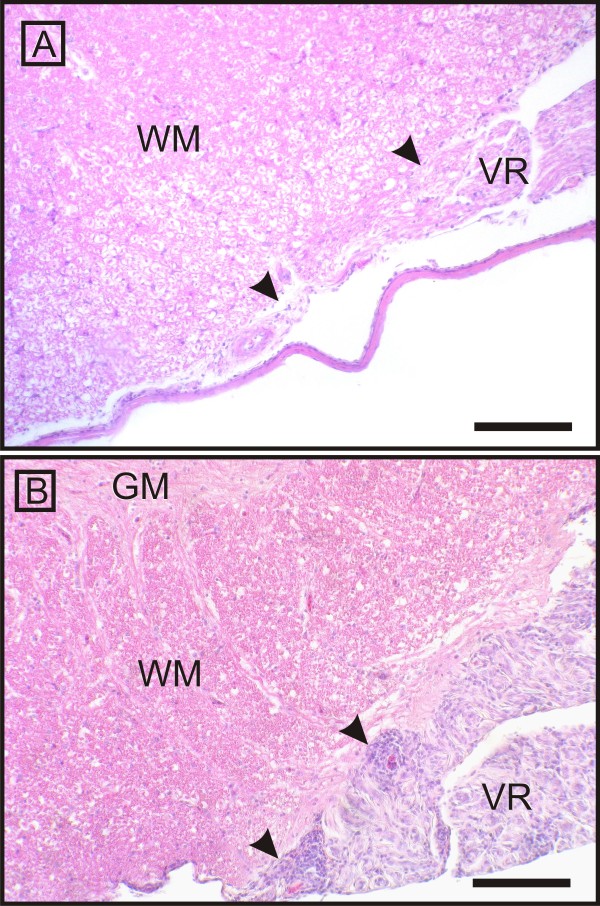
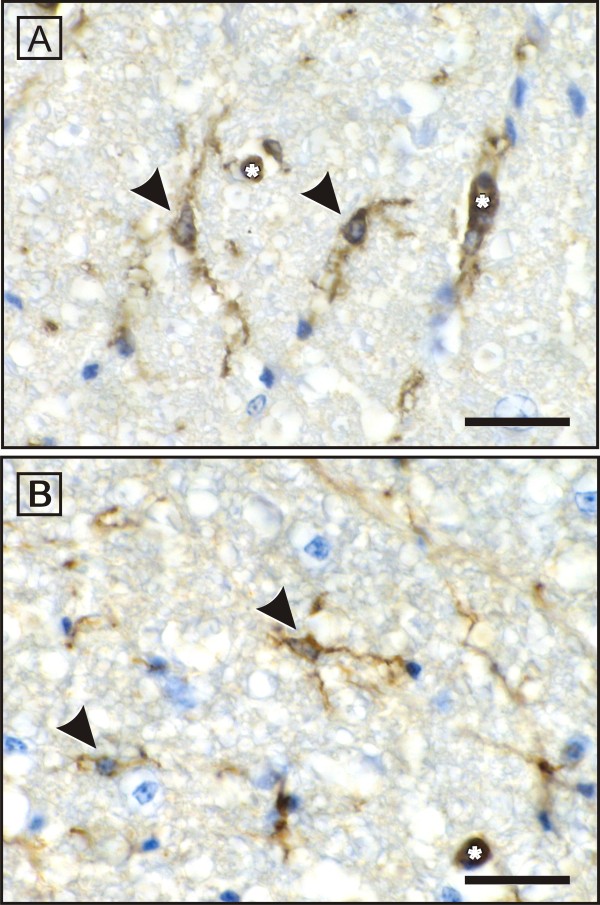
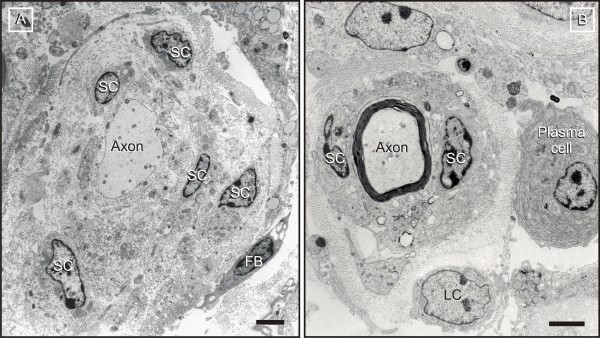
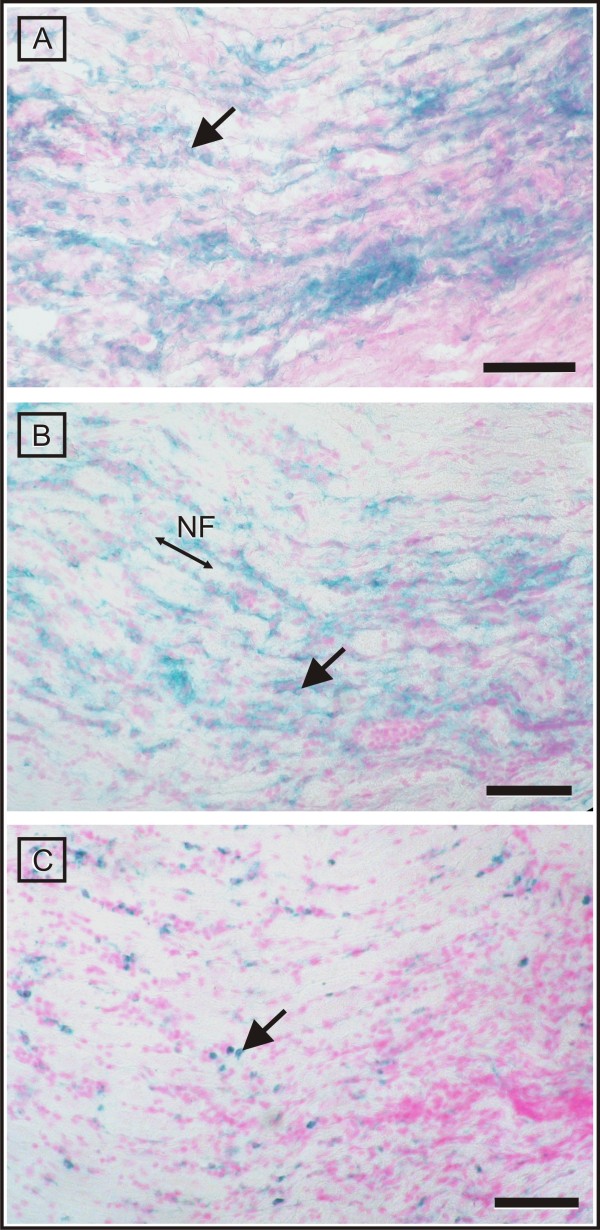
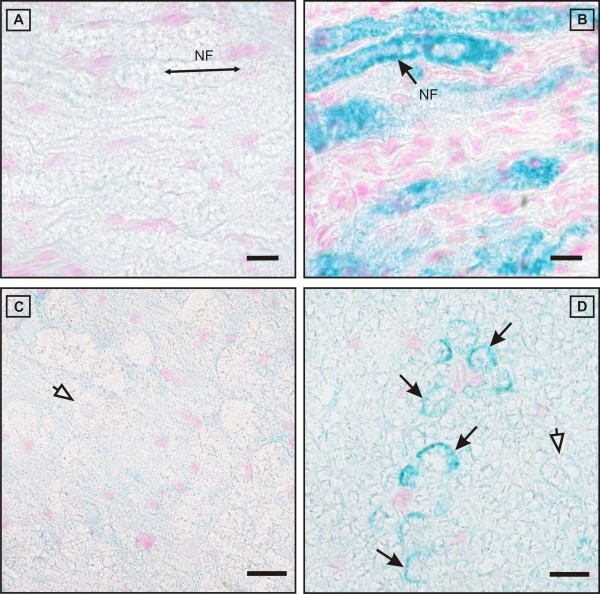
Spontaneous paresis of White Leghorns is caused by cell-mediated, inflammatory demyelination affecting multiple cranial and spinal nerves and nerve roots with a proximodistal tapering. Clinical manifestation coincides with the employment of humoral immune mechanisms, enrolling plasma cell recruitment, deposition of myelin-bound IgG and antibody-dependent macrophageal myelin-stripping. Disease development was significantly linked to a 539 bp microsatellite in MHC locus LEI0258. An aetiological role for MDV was excluded.
The paretic phase of avian inflammatory demyelinating polyradiculoneuritis immunobiologically resembles the late-acute disease stages of human acute inflammatory demyelinating polyneuropathy, and is characterised by a Th1-to-Th2 shift.
突发行走困难是白来航鸡群中常见的问题,在达到性成熟之前,约有 1%的鸡群会受到影响。此前,一种类似的临床综合征被报道是由周围神经纤维的炎症性脱髓鞘引起的。在这里,我们详细研究了这种麻痹综合征的免疫病理学及其与人类神经病变的可能相似性。
来自同一个鸡群的神经病变鸡和对照动物接受了临床和神经病理学检查。使用标准形态学技术,包括神经纤维梳理和透射电子显微镜,对周围神经系统(PNS)的改变进行了特征描述。通过免疫组织化学和流式细胞术对浸润细胞进行表型鉴定和定量。通过定量实时 PCR(qRT-PCR)评估细胞因子表达模式。这些研究是通过 MHC 基因分型和马立克氏病病毒(MDV)的 PCR 筛查来完成的。
白来航鸡的自发性麻痹是由细胞介导的、影响多个颅神经和脊神经及神经根的炎症性脱髓鞘引起的,表现为远近端变细。临床表现与体液免疫机制的参与相吻合,包括浆细胞募集、髓鞘结合 IgG 的沉积和抗体依赖性巨噬细胞髓鞘剥离。疾病的发展与 MHC 基因座 LEI0258 中的 539 bp 微卫星显著相关。排除了 MDV 的病因作用。
禽类炎症性脱髓鞘多发性神经根神经炎的麻痹期在免疫生物学上类似于人类急性炎症性脱髓鞘性多发性神经病的迟发性急性疾病阶段,其特征是 Th1 向 Th2 的转变。