Cardiology Program, The Prince Charles Hospital, Brisbane, Qld, Australia.
BMC Cardiovasc Disord. 2010 Jan 28;10:5. doi: 10.1186/1471-2261-10-5.
Cardiac rehabilitation programs offer effective means to prevent recurrence of a cardiac event, but poor uptake of current programs have been reported globally. Home based models are considered as a feasible alternative to avoid various barriers related to care centre based programs. This paper sets out the study design for a clinical trial seeking to test the hypothesis that these programs can be better and more efficiently supported with novel Information and Communication Technologies (ICT).
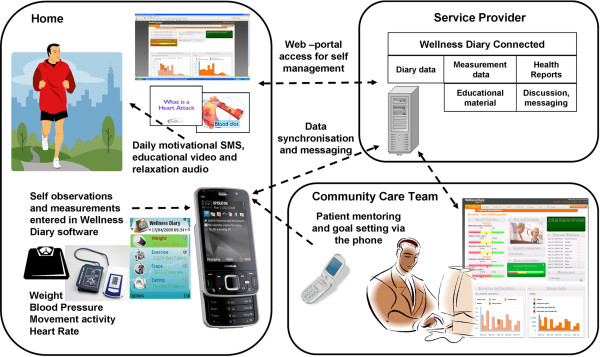
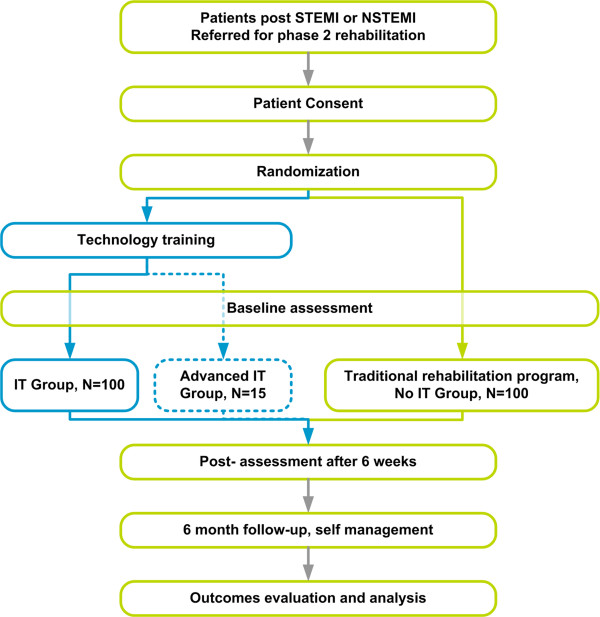
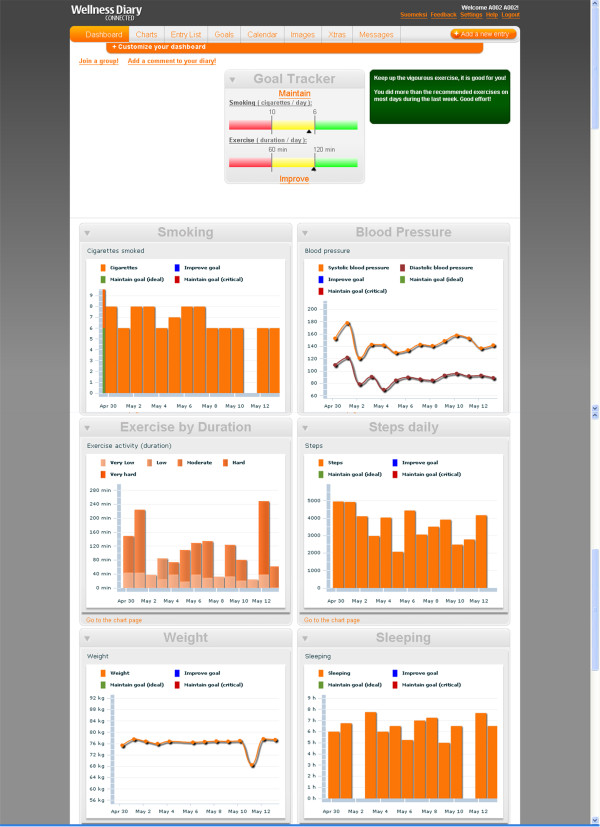
METHODS/DESIGN: We have integrated mobile phones and web services into a comprehensive home- based care model for outpatient cardiac rehabilitation. Mobile phones with a built-in accelerometer sensor are used to measure physical exercise and WellnessDiary software is used to collect information on patients' physiological risk factors and other health information. Video and teleconferencing are used for mentoring sessions aiming at behavioural modifications through goal setting. The mentors use web-portal to facilitate personal goal setting and to assess the progress of each patient in the program. Educational multimedia content are stored or transferred via messaging systems to the patients phone to be viewed on demand. We have designed a randomised controlled trial to compare the health outcomes and cost efficiency of the proposed model with a traditional community based rehabilitation program. The main outcome measure is adherence to physical exercise guidelines.
The study will provide evidence on using mobile phones and web services for mentoring and self management in a home-based care model targeting sustainable behavioural modifications in cardiac rehabilitation patients.
The trial has been registered in the Australian New Zealand Clinical Trials Registry (ANZCTR) with number ACTRN12609000251224.
心脏康复计划提供了预防心脏事件复发的有效手段,但全球范围内都报告了当前计划参与率低的情况。家庭为基础的模式被认为是避免与中心为基础的项目相关的各种障碍的可行替代方案。本文介绍了一项临床试验的研究设计,旨在检验这些计划可以通过新的信息和通信技术(ICT)得到更好和更有效的支持的假设。
方法/设计:我们已经将手机和网络服务整合到一个综合的门诊心脏康复家庭护理模型中。内置加速度计传感器的手机用于测量身体活动,而 WellnessDiary 软件用于收集患者生理风险因素和其他健康信息。视频和电话会议用于指导会议,旨在通过设定目标来进行行为改变。导师使用网络门户来促进个人目标设定,并评估每个患者在计划中的进展。教育多媒体内容通过消息系统存储或传输到患者的手机上,以便按需查看。我们设计了一项随机对照试验,以比较拟议模型与传统社区为基础的康复计划的健康结果和成本效益。主要的结果衡量标准是遵守身体活动指南的情况。
该研究将提供关于使用手机和网络服务进行指导和自我管理的证据,以在家庭护理模式中针对心脏康复患者的可持续行为改变。
该试验已在澳大利亚新西兰临床试验注册中心(ANZCTR)注册,注册号为 ACTRN12609000251224。