Department of Pathology & Immunology, Washington University School of Medicine, St. Louis, Missouri, USA.
Nat Immunol. 2010 Apr;11(4):350-4. doi: 10.1038/ni.1850. Epub 2010 Feb 28.
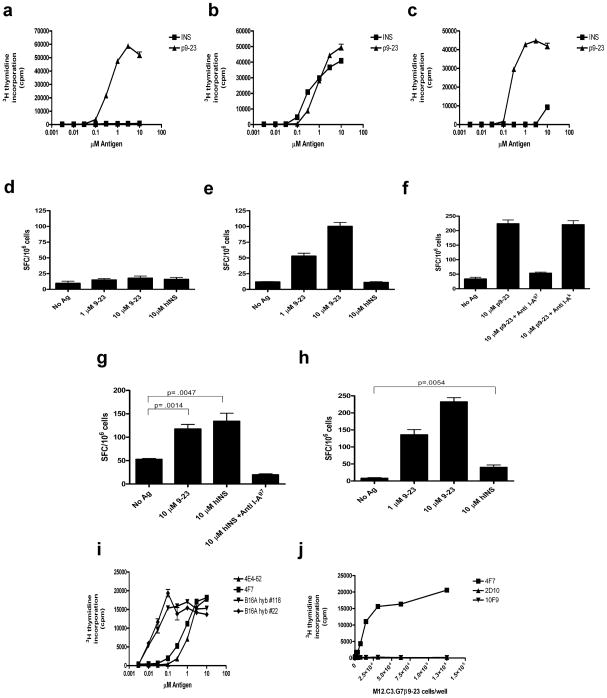
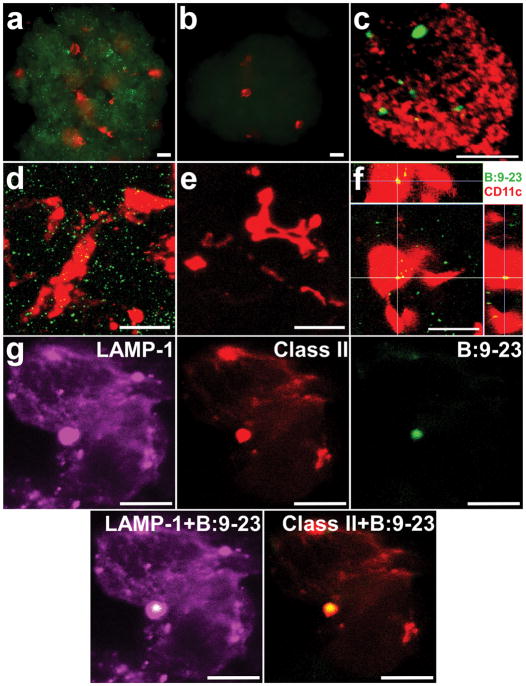
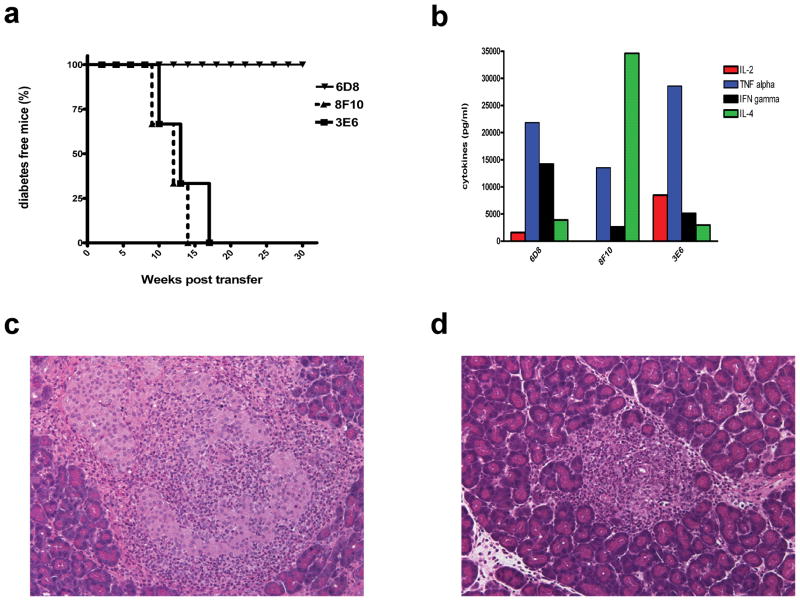
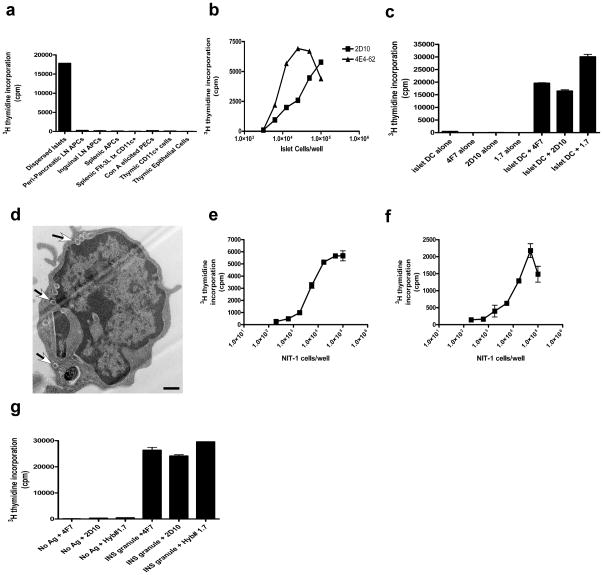
In addition to the genetic framework, there are two other critical requirements for the development of tissue-specific autoimmune disease. First, autoreactive T cells need to escape thymic negative selection. Second, they need to find suitable conditions for autoantigen presentation and activation in the target tissue. We show here that these two conditions are fulfilled in diabetic mice of the nonobese diabetic (NOD) strain. A set of autoreactive CD4(+) T cells specific for an insulin peptide, with the noteworthy feature of not recognizing the insulin protein when processed by antigen-presenting cells (APCs), escaped thymic control, participated in diabetes and caused disease. Moreover, APCs in close contact with beta cells in the islets of Langerhans bore vesicles with the antigenic insulin peptides and activated peptide-specific T cells. Our findings may be relevant for other cases of endocrine autoimmunity.
除了遗传框架外,组织特异性自身免疫性疾病的发展还需要另外两个关键条件。首先,自身反应性 T 细胞需要逃避胸腺阴性选择。其次,它们需要在靶组织中找到适合自身抗原呈递和激活的条件。我们在这里表明,非肥胖型糖尿病(NOD)小鼠同时满足这两个条件。一组针对胰岛素肽的自身反应性 CD4(+)T 细胞具有一个显著特征,即当被抗原呈递细胞(APCs)加工时,不会识别胰岛素蛋白,这些 T 细胞逃避了胸腺的控制,参与了糖尿病的发生,并导致了疾病。此外,胰岛中与β细胞密切接触的 APC 带有抗原性胰岛素肽的小泡,并激活了肽特异性 T 细胞。我们的发现可能与其他内分泌自身免疫病例有关。