Department of Animal Biology, School of Veterinary Medicine, University of Pennsylvania, Philadelphia, Pennsylvania, United States of America.
PLoS Genet. 2010 Mar 12;6(3):e1000878. doi: 10.1371/journal.pgen.1000878.
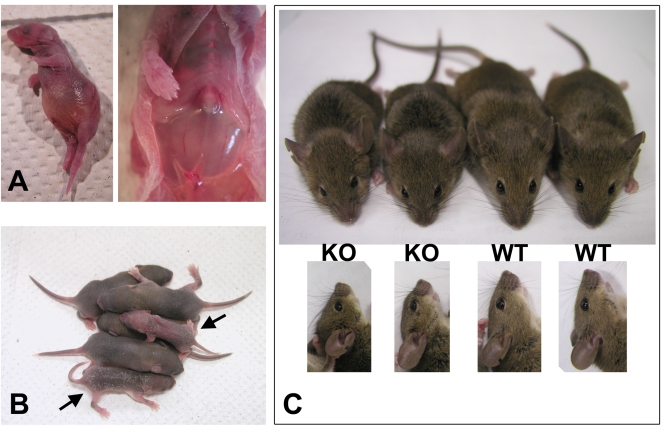
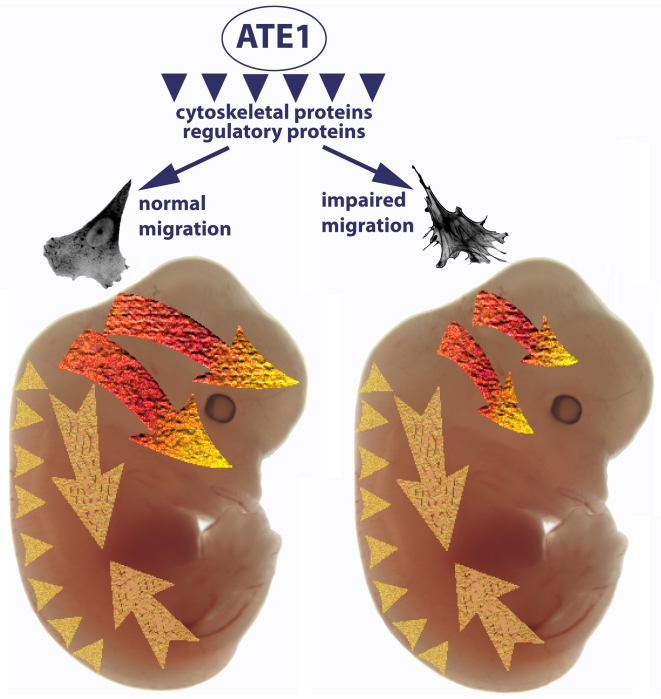
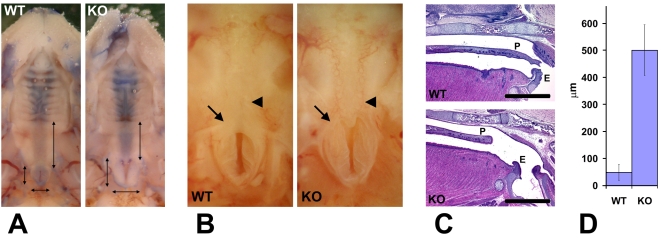
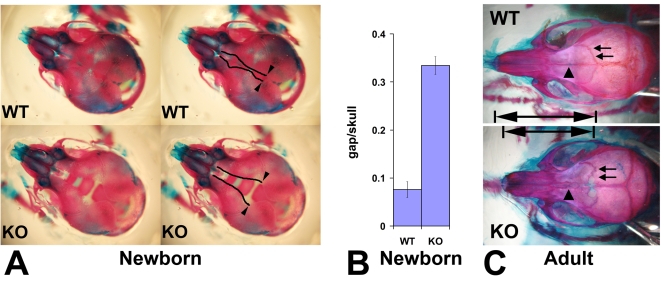
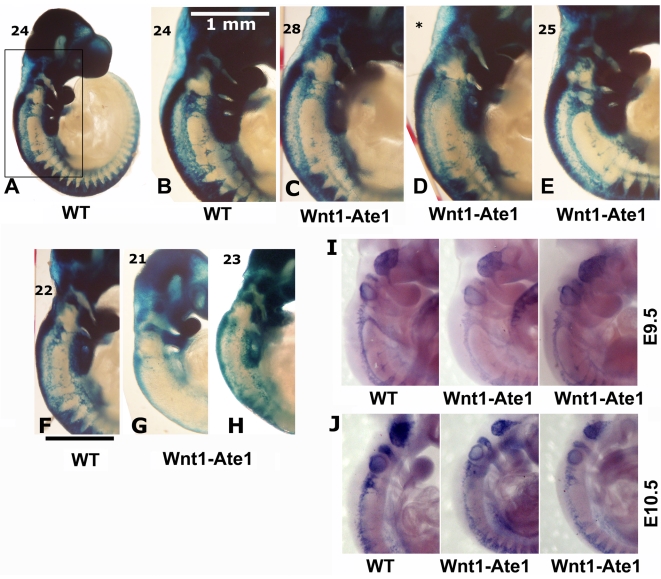
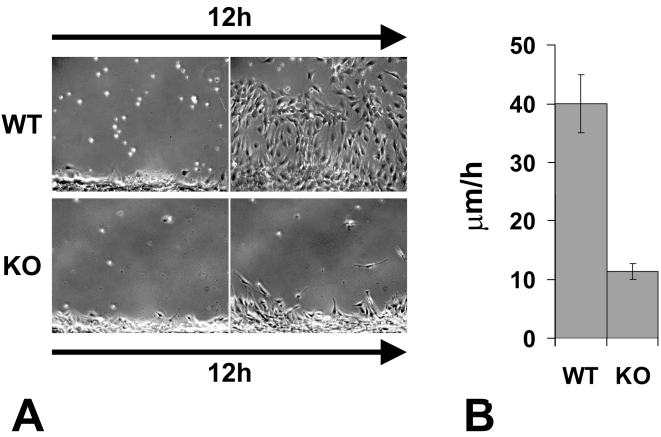
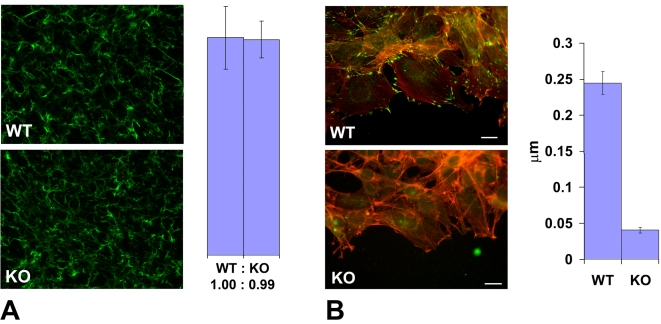
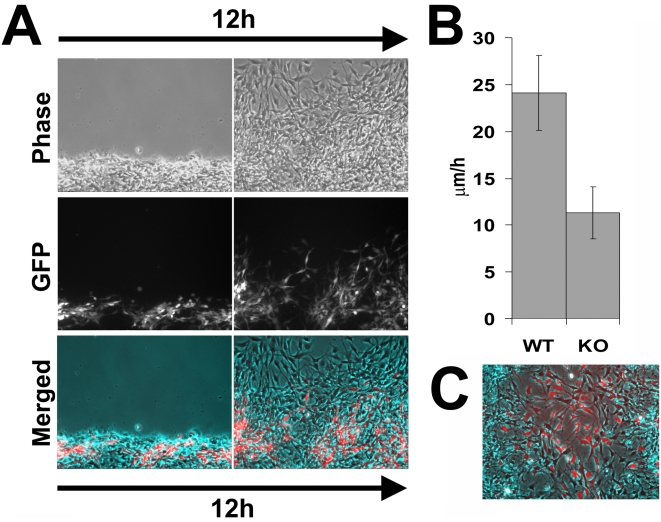
Coordinated cell migration during development is crucial for morphogenesis and largely relies on cells of the neural crest lineage that migrate over long distances to give rise to organs and tissues throughout the body. Recent studies of protein arginylation implicated this poorly understood posttranslational modification in the functioning of actin cytoskeleton and in cell migration in culture. Knockout of arginyltransferase (Ate1) in mice leads to embryonic lethality and severe heart defects that are reminiscent of cell migration-dependent phenotypes seen in other mouse models. To test the hypothesis that arginylation regulates cell migration during morphogenesis, we produced Wnt1-Cre Ate1 conditional knockout mice (Wnt1-Ate1), with Ate1 deletion in the neural crest cells driven by Wnt1 promoter. Wnt1-Ate1 mice die at birth and in the first 2-3 weeks after birth with severe breathing problems and with growth and behavioral retardation. Wnt1-Ate1 pups have prominent defects, including short palate and altered opening to the nasopharynx, and cranial defects that likely contribute to the abnormal breathing and early death. Analysis of neural crest cell movement patterns in situ and cell motility in culture shows an overall delay in the migration of Ate1 knockout cells that is likely regulated by intracellular mechanisms rather than extracellular signaling events. Taken together, our data suggest that arginylation plays a general role in the migration of the neural crest cells in development by regulating the molecular machinery that underlies cell migration through tissues and organs during morphogenesis.
在发育过程中,细胞的协调迁移对于形态发生至关重要,这主要依赖于神经嵴谱系的细胞,这些细胞通过长距离迁移产生身体各处的器官和组织。最近对蛋白质精氨酸化的研究表明,这种了解甚少的翻译后修饰在肌动蛋白细胞骨架的功能和细胞培养中的迁移中起作用。在小鼠中敲除精氨酸转移酶(Ate1)会导致胚胎致死和严重的心脏缺陷,这让人联想到其他小鼠模型中观察到的依赖细胞迁移的表型。为了测试精氨酸化在形态发生过程中调节细胞迁移的假设,我们产生了 Wnt1-Cre Ate1 条件性敲除小鼠(Wnt1-Ate1),Wnt1 启动子驱动神经嵴细胞中的 Ate1 缺失。Wnt1-Ate1 小鼠在出生时和出生后 2-3 周内死亡,伴有严重的呼吸问题以及生长和行为迟缓。Wnt1-Ate1 幼鼠有明显的缺陷,包括短腭和咽鼓管开口改变,以及颅面缺陷,这可能导致呼吸异常和早期死亡。原位分析神经嵴细胞运动模式和培养中的细胞迁移性表明,Ate1 敲除细胞的迁移总体延迟,这可能是通过细胞内机制而不是细胞外信号事件来调节的。总之,我们的数据表明,精氨酸化通过调节细胞迁移所必需的分子机制,在发育过程中神经嵴细胞的迁移中发挥普遍作用,这种分子机制在形态发生过程中通过组织和器官调节细胞迁移。