Department of Epidemiology and Population Health, London School of Hygiene and Tropical Medicine, Keppel Street, London WC1E 7HT, UK.
BMC Public Health. 2010 Apr 21;10:200. doi: 10.1186/1471-2458-10-200.
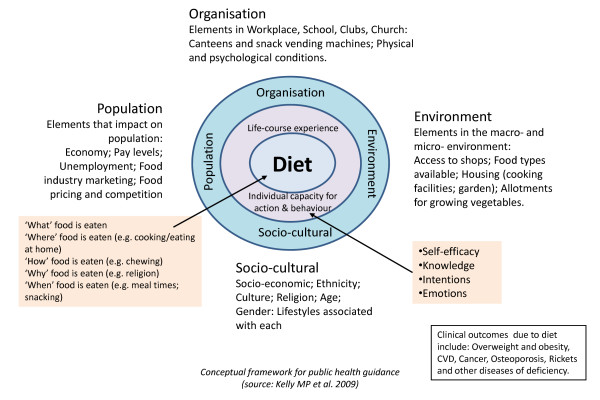
The composition of habitual diets is associated with adverse or protective effects on aspects of health. Consequently, UK public health policy strongly advocates dietary change for the improvement of population health and emphasises the importance of individual empowerment to improve health. A new and evolving area in the promotion of dietary behavioural change is e-Learning, the use of interactive electronic media to facilitate teaching and learning on a range of issues, including diet and health. The aims of this systematic review are to determine the effectiveness and cost-effectiveness of adaptive e-Learning for improving dietary behaviours.
METHODS/DESIGN: The research will consist of a systematic review and a cost-effectiveness analysis. Studies will be considered for the review if they are randomised controlled trials, involving participants aged 13 or over, which evaluate the effectiveness or efficacy of interactive software programmes for improving dietary behaviour. Primary outcome measures will be those related to dietary behaviours, including estimated intakes of energy, nutrients and dietary fibre, or the estimated number of servings per day of foods or food groups. Secondary outcome measures will be objective clinical measures that are likely to respond to changes in dietary behaviours, such as anthropometry or blood biochemistry. Knowledge, self-efficacy, intention and emotion will be examined as mediators of dietary behaviour change in order to explore potential mechanisms of action. Databases will be searched using a comprehensive four-part search strategy, and the results exported to a bibliographic database. Two review authors will independently screen results to identify potentially eligible studies, and will independently extract data from included studies, with any discrepancies at each stage settled by a third author. Standardised forms and criteria will be used.A descriptive analysis of included studies will describe study design, participants, the intervention, and outcomes. Statistical analyses appropriate to the data extracted, and an economic evaluation using a cost-utility analysis, will be undertaken if sufficient data exist, and effective components of successful interventions will be investigated.
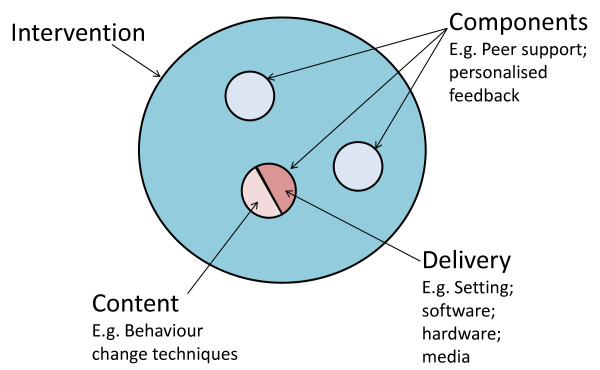
This review aims to provide comprehensive evidence of the effectiveness and cost-effectiveness of adaptive e-Learning interventions for dietary behaviour change, and explore potential psychological mechanisms of action and the effective components of effective interventions. This can inform policy makers and healthcare commissioners in deciding whether e-Learning should be part of a comprehensive response to the improvement of dietary behaviour for health, and if so which components should be present for interventions to be effective.
习惯性饮食的构成与健康方面的不良或保护作用有关。因此,英国公共卫生政策强烈主张通过改变饮食来改善人口健康,并强调增强个人能力以改善健康的重要性。促进饮食行为改变的一个新的和不断发展的领域是电子学习,即使用交互式电子媒体来促进一系列问题(包括饮食和健康)的教学和学习。本系统评价的目的是确定适应性电子学习在改善饮食行为方面的有效性和成本效益。
方法/设计:该研究将包括系统评价和成本效益分析。如果研究是随机对照试验,涉及年龄在 13 岁及以上的参与者,并评估了用于改善饮食行为的交互式软件程序的有效性或功效,则将其纳入研究。主要结果测量指标将与饮食行为相关,包括能量、营养素和膳食纤维的估计摄入量,或每天食物或食物组的估计份数。次要结果测量指标将是可能对饮食行为变化做出反应的客观临床测量指标,如人体测量或血液生化学。知识、自我效能、意图和情绪将被视为饮食行为改变的中介因素,以探索潜在的作用机制。将使用全面的四部分搜索策略搜索数据库,并将结果输出到书目数据库。两位综述作者将独立筛选结果以确定潜在合格的研究,并将独立提取纳入研究的数据,在每个阶段的任何差异都将由第三位作者解决。将使用标准化表格和标准。纳入研究的描述性分析将描述研究设计、参与者、干预措施和结果。如果有足够的数据,将进行适当的数据提取的统计分析和使用成本效用分析的经济评估,并将研究成功干预措施的有效组成部分。
本评价旨在提供关于适应性电子学习干预措施对饮食行为改变的有效性和成本效益的综合证据,并探讨潜在的心理作用机制和有效干预措施的有效组成部分。这可以为决策者和医疗保健专员提供信息,以决定电子学习是否应成为改善健康饮食行为的综合应对措施的一部分,如果是,干预措施应具备哪些组成部分才能有效。