The Pennsylvania State University, Department of Human Development and Family Studies, S-110 Henderson Building, The Pennsylvania State University, University Park, PA 16802, USA.
Child Dev. 2010 Mar-Apr;81(2):636-51. doi: 10.1111/j.1467-8624.2009.01420.x.
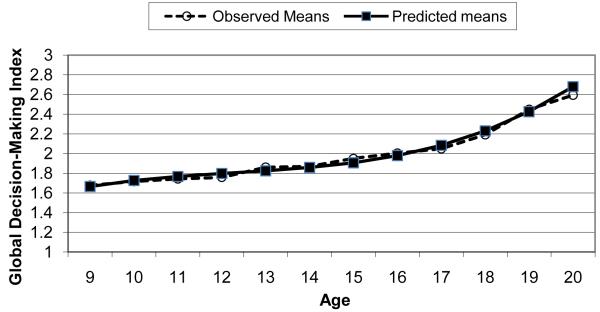
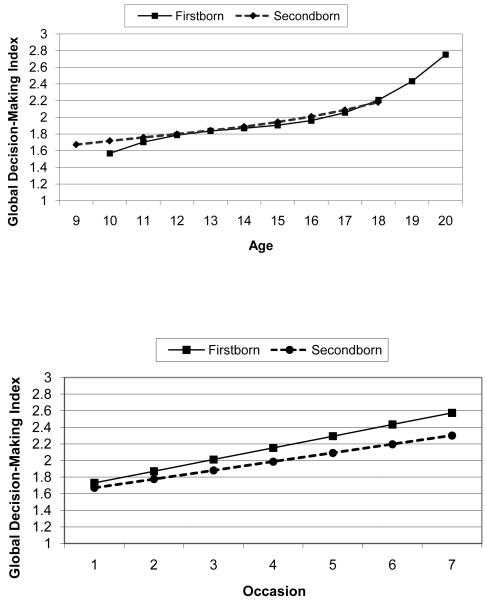
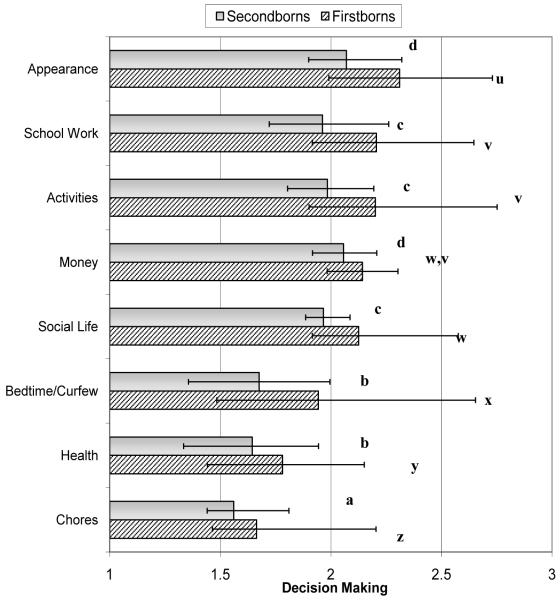
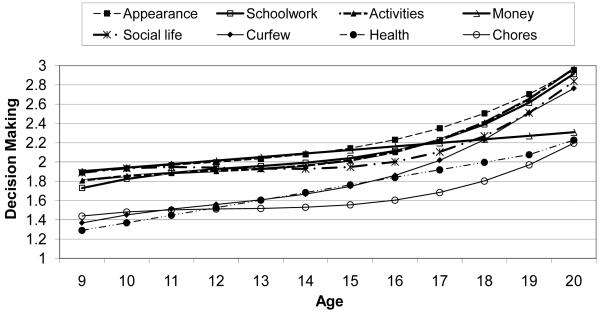
Longitudinal patterns in parents' reports of youth decision-making autonomy from ages 9 to 20 were examined in a study of 201 European American families with 2 offspring. Multilevel modeling analyses revealed that decision-making autonomy increased gradually across middle childhood and adolescence before rising sharply in late adolescence. Social domain theory was supported by analyses of 8 decision types spanning prudential, conventional, personal, and multifaceted domains. Decision making was higher for girls, youth whom parents perceived as easier to supervise, and youth with better educated parents. Firstborns and secondborns had different age-related trajectories of decision-making autonomy. Findings shed light on the developmental trajectories and family processes associated with adolescents' fundamental task of gaining autonomy.
研究人员对 201 个欧洲裔美国家庭的 2 个子女进行了研究,调查了父母从 9 岁到 20 岁期间对青少年决策自主权的报告的纵向模式。多层次模型分析显示,决策自主权在整个童年中期和青春期逐渐增加,然后在青春期后期急剧上升。跨越审慎、传统、个人和多方面领域的 8 种决策类型的分析支持了社会领域理论。对于女孩、父母认为更容易监督的青少年以及父母受教育程度更高的青少年来说,决策制定的自由度更高。长子和次子在决策自主权的年龄相关轨迹上有所不同。这些发现揭示了与青少年获得自主权这一基本任务相关的发展轨迹和家庭过程。