Mammalian Behaviour & Evolution Group, University of Liverpool, Neston CH64 7TE, UK.
BMC Biol. 2010 Jun 3;8:75. doi: 10.1186/1741-7007-8-75.
Among invertebrates, specific pheromones elicit inherent (fixed) behavioural responses to coordinate social behaviours such as sexual recognition and attraction. By contrast, the much more complex social odours of mammals provide a broad range of information about the individual owner and stimulate individual-specific responses that are modulated by learning. How do mammals use such odours to coordinate important social interactions such as sexual attraction while allowing for individual-specific choice? We hypothesized that male mouse urine contains a specific pheromonal component that invokes inherent sexual attraction to the scent and which also stimulates female memory and conditions sexual attraction to the airborne odours of an individual scent owner associated with this pheromone.
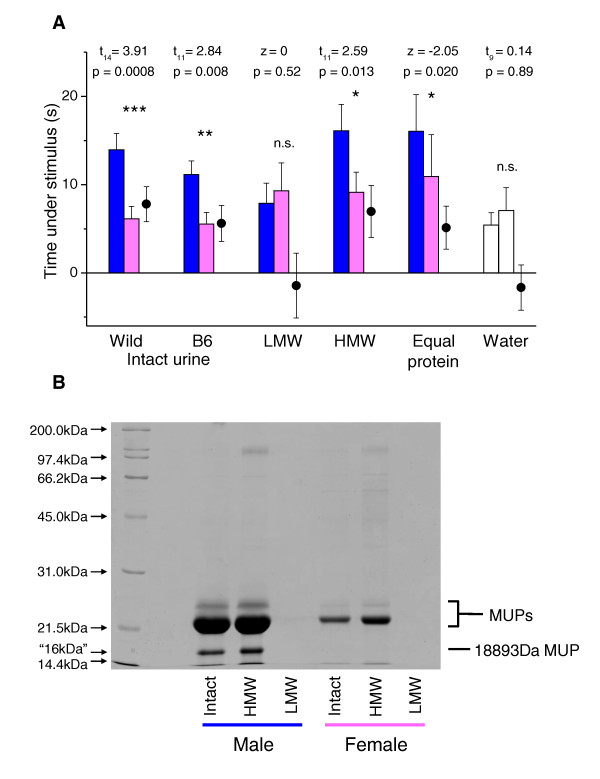
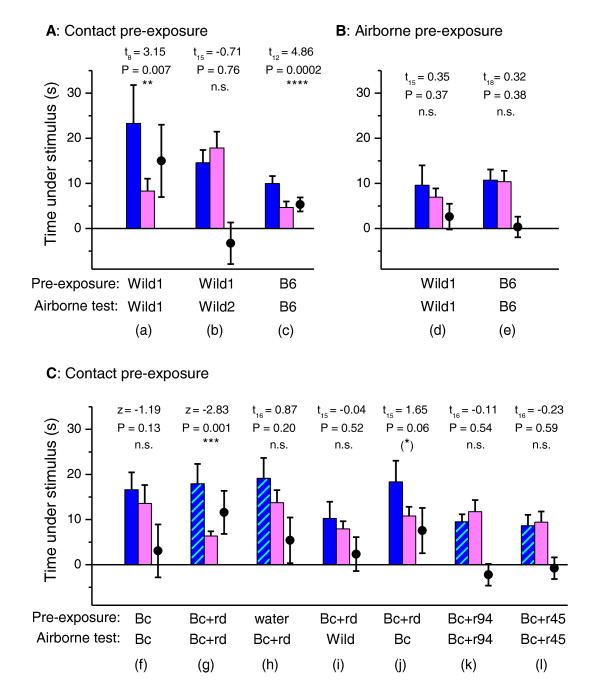
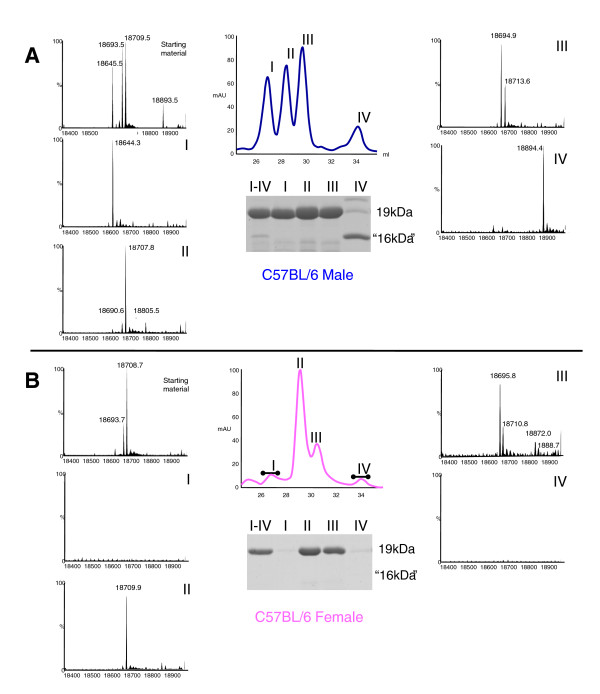
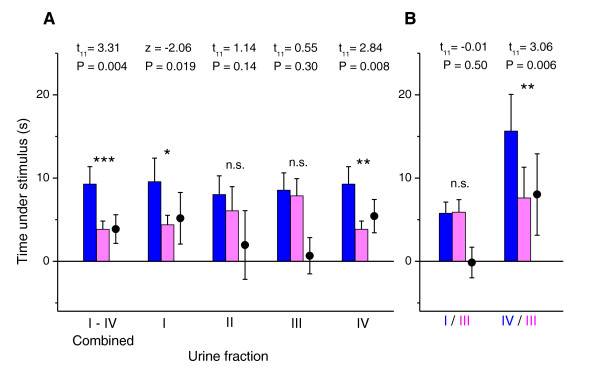
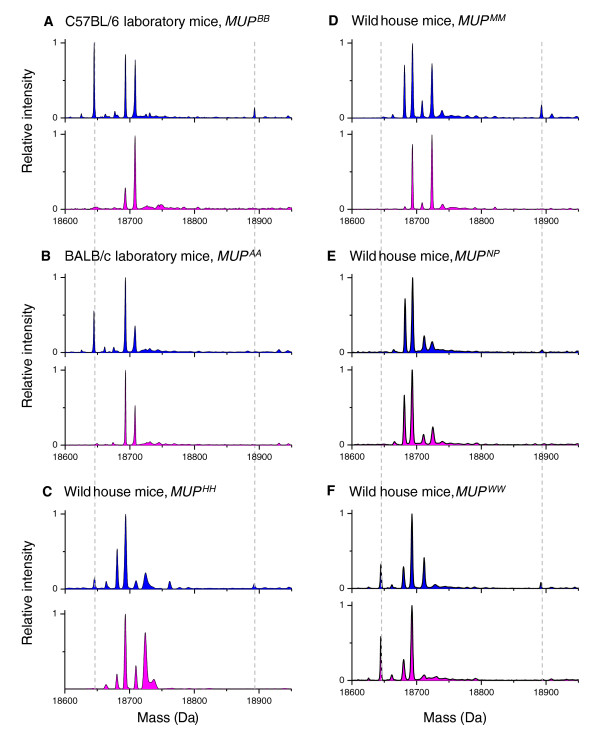
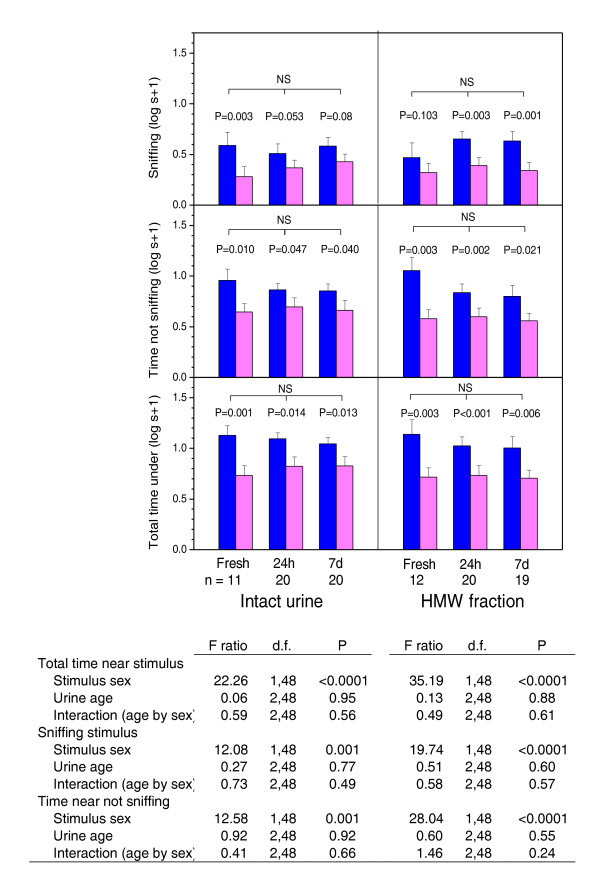
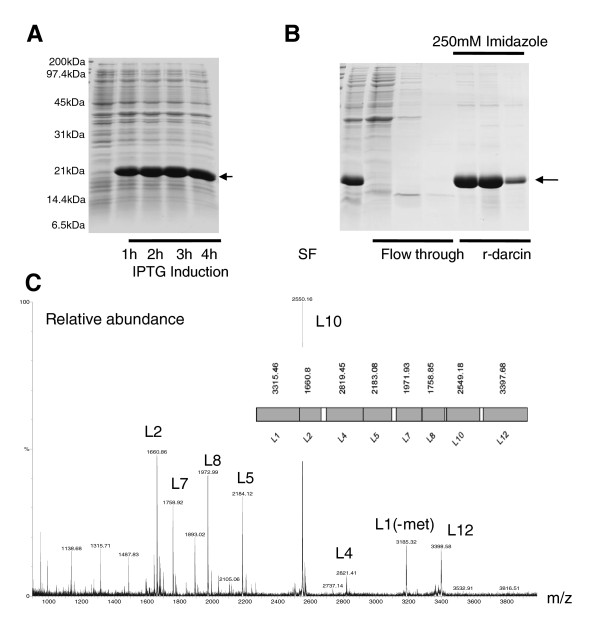
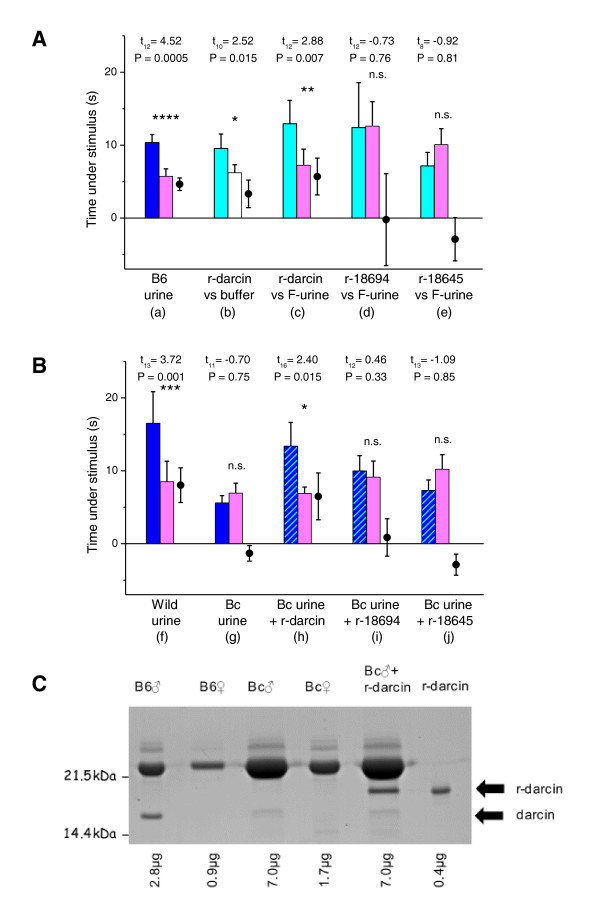
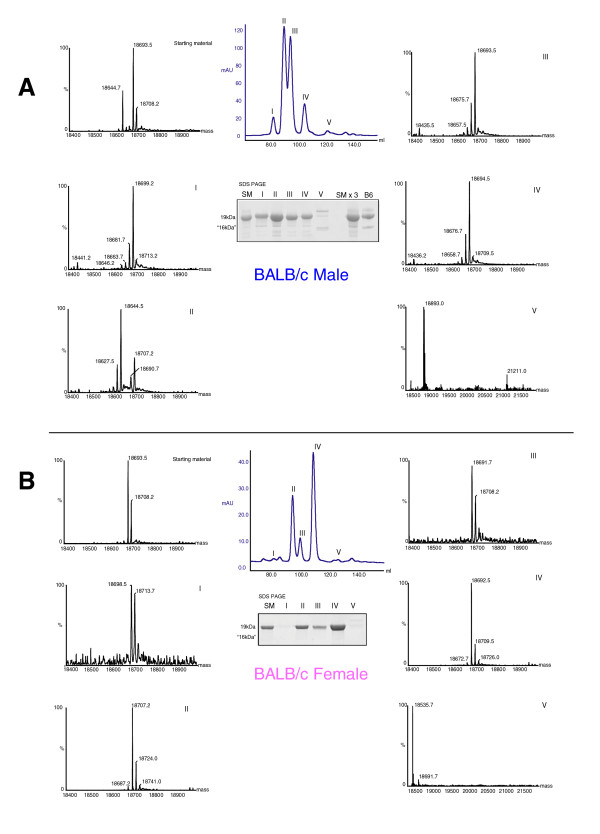
Using wild-stock house mice to ensure natural responses that generalize across individual genomes, we identify a single atypical male-specific major urinary protein (MUP) of mass 18893Da that invokes a female's inherent sexual attraction to male compared to female urinary scent. Attraction to this protein pheromone, which we named darcin, was as strong as the attraction to intact male urine. Importantly, contact with darcin also stimulated a strong learned attraction to the associated airborne urinary odour of an individual male, such that, subsequently, females were attracted to the airborne scent of that specific individual but not to that of other males.
This involatile protein is a mammalian male sex pheromone that stimulates a flexible response to individual-specific odours through associative learning and memory, allowing female sexual attraction to be inherent but selective towards particular males. This 'darcin effect' offers a new system to investigate the neural basis of individual-specific memories in the brain and give new insights into the regulation of behaviour in complex social mammals.See associated Commentary http://www.biomedcentral.com/1741-7007/8/71.
在无脊椎动物中,特定的信息素会引发固有的(固定的)行为反应,以协调社交行为,如性识别和吸引。相比之下,哺乳动物的社交气味要复杂得多,它提供了关于个体所有者的广泛信息,并刺激个体特有的反应,这些反应受到学习的调节。哺乳动物如何利用这些气味来协调重要的社交互动,如性吸引,同时允许个体特定的选择?我们假设,雄性老鼠尿液中含有一种特定的信息素成分,它会引起对气味的固有吸引力,同时也会刺激雌性的记忆,并使与这种信息素相关的个体气味所有者的空气传播气味产生性吸引力。
使用野生种群的家鼠来确保跨越个体基因组的自然反应,我们确定了一种单一的非典型雄性特异性主要尿蛋白(MUP),其质量为 18893Da,它会引起雌性对雄性尿液气味的固有性吸引力。与雌性尿液相比,这种对蛋白质信息素的吸引力与对完整雄性尿液的吸引力一样强烈。重要的是,接触到 darcin 也会刺激对相关个体雄性空气传播尿液气味的强烈学习吸引力,以至于随后,雌性会被特定个体的空气传播气味所吸引,但不会被其他雄性的气味所吸引。
这种不可挥发的蛋白质是一种哺乳动物雄性性信息素,它通过联想学习和记忆刺激对个体特定气味的灵活反应,使雌性的性吸引力固有的,但对特定的雄性有选择性。这种“darcin 效应”提供了一个新的系统来研究大脑中个体特定记忆的神经基础,并深入了解复杂社会哺乳动物行为的调节。