The Transplantation and Leukemia Service of the Department of Medicine and the Immunology and Molecular Pharmacology Programs at Memorial Sloan Kettering Cancer Center, United States.
Semin Immunol. 2010 Jun;22(3):162-72. doi: 10.1016/j.smim.2010.02.003. Epub 2010 May 26.
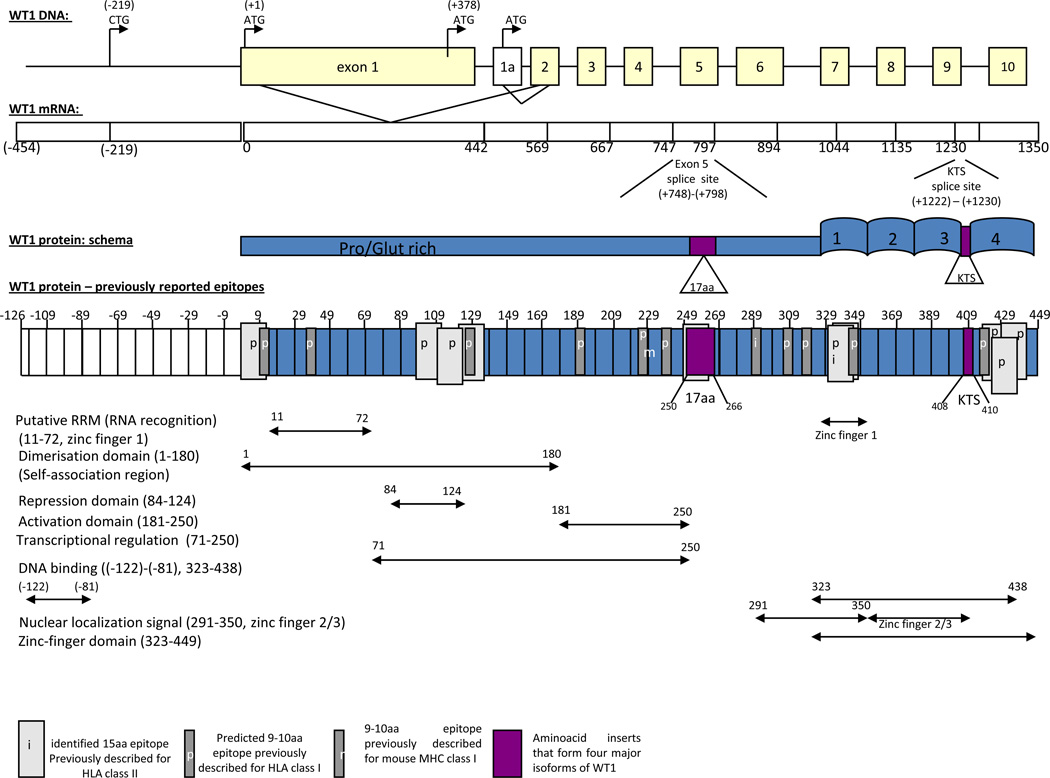
Adoptive transfer of in vivo generated antigen-specific donor-derived T-cells is increasingly recognized as an effective approach for the treatment or prevention of EBV lymphomas and cytomegalovirus infections complicating allogeneic hematopoietic cell transplants. This review examines evidence from preclinical experiments and initial clinical trials to critically assess both the potential and current limitations of adoptive transfer of donor T-cells sensitized to selected minor alloantigens of the host or to peptide epitopes of proteins, differentially expressed by clonogenic leukemia cells, such as the Wilms tumor protein, WT-1, as a strategy to treat or prevent recurrence of leukemia in the post-transplant period.
过继输注体内产生的抗原特异性供者源性 T 细胞,逐渐被认为是治疗或预防 EBV 淋巴瘤和巨细胞病毒感染的有效方法,这些并发症常发生于异基因造血细胞移植。本综述通过临床前实验和初步临床试验的证据,来批判性地评估过继输注对宿主的选择次要同种异体抗原或差异性表达于成克隆性白血病细胞的蛋白质的肽表位致敏的供者 T 细胞的潜在性和当前局限性,这种策略是作为治疗或预防移植后白血病复发的方法。