Department of Social and Behavioral Health, School of Rural Public Health, Texas A&M Health Science Center, College Station, TX, USA.
BMC Womens Health. 2010 Jun 17;10:21. doi: 10.1186/1472-6874-10-21.
Many complex and subtle aspects relating to mothers and food choice are not well understood. Mothers play a primary role in their children's food choices, but research has not specifically examined how matrilineal family members who do not reside in the same household, such as a mother's mother, aunt, or grandmother, influence the current family's food choices.
Seven participants were recruited from the Household Food Inventory (HFI) Study in the Bryan/College Station, Texas. All participants completed an in-depth interview, photographed food-related activities, and discussed photographs in a follow-up in-depth interview. Interviews were transcribed verbatim from audio recordings. Transcripts were analyzed using several qualitative approaches including grounded theory to identify themes and subthemes.
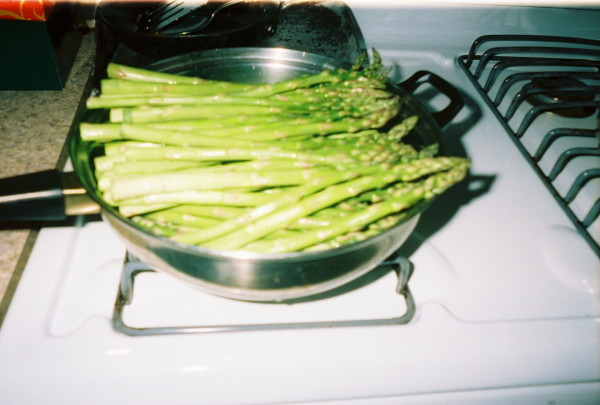
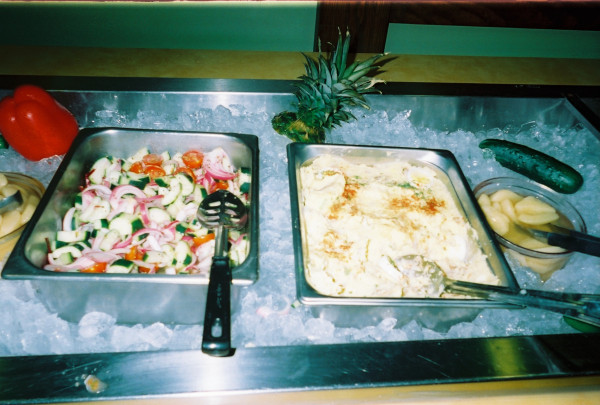
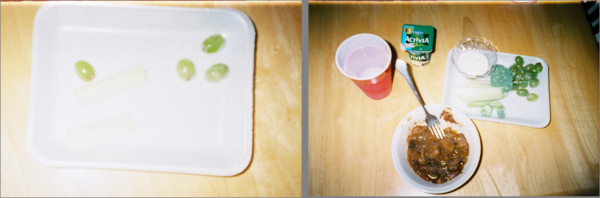
Participants discussed the following themes relating to the influence of their mother or other female relation (Mom) on their families' food choices: Relationship with Mom, Just like Mom, 'Kinda' like Mom, Different than Mom, and Mom's Influence on Children's Food Choices. Overall, participants used the photographs to illustrate how they were similar or different to their mothers, or other female family member, as well as how their mothers either supported or undermined control over their children's food choices. The "Mom effect" or matrilineal influence of mothers, aunts, and grandmothers on a mother's food choices was omnipresent, even though Mom was no longer living with the participants.
We found a matrilineal influence to have a residual and persistent influence on a family's food choices. This finding may be helpful for understanding the contextual elements of food choice and explaining why it is sometimes difficult to change mothers' food habits.
许多与母亲和食物选择相关的复杂而微妙的方面还没有得到很好的理解。母亲在孩子的食物选择中起着主要作用,但研究尚未专门探讨不住在同一家庭中的母系家庭成员(如母亲的母亲、阿姨或祖母)如何影响当前家庭的食物选择。
从德克萨斯州布莱恩/学院站的家庭食品清单(HFI)研究中招募了 7 名参与者。所有参与者都完成了深入访谈,拍摄了与食物相关的活动,并在后续的深入访谈中讨论了照片。访谈从音频记录中逐字转录。使用几种定性方法(包括扎根理论)分析转录本以确定主题和子主题。
参与者讨论了以下主题,这些主题涉及母亲或其他女性亲属(妈妈)对他们家庭食物选择的影响:与妈妈的关系、像妈妈一样、有点像妈妈、与妈妈不同,以及妈妈对孩子食物选择的影响。总体而言,参与者使用照片来说明他们与母亲或其他女性家庭成员的相似之处或不同之处,以及他们的母亲如何支持或破坏他们对孩子食物选择的控制。“妈妈效应”或母亲、阿姨和祖母对母亲食物选择的母系影响无处不在,即使妈妈不再与参与者住在一起。
我们发现母系影响对家庭的食物选择有残留和持久的影响。这一发现可能有助于理解食物选择的背景因素,并解释为什么有时难以改变母亲的饮食习惯。