Southern Alberta Clinic, Alberta Health Services, Calgary, AB, Canada.
BMC Neurol. 2010 Jun 17;10:44. doi: 10.1186/1471-2377-10-44.
Anti-epileptic drugs (AEDs) are frequently prescribed to persons with HIV/AIDS receiving combination antiretroviral therapy (cART) although the extent of AED use and their interactions with cART are uncertain. Herein, AED usage, associated toxicities and immune consequences were investigated.
HIV replication was analysed in proliferating human T cells during AED exposure. Patients receiving AEDs in a geographically-based HIV care program were assessed using clinical and laboratory variables in addition to assessing AED indication, type, and cumulative exposures.
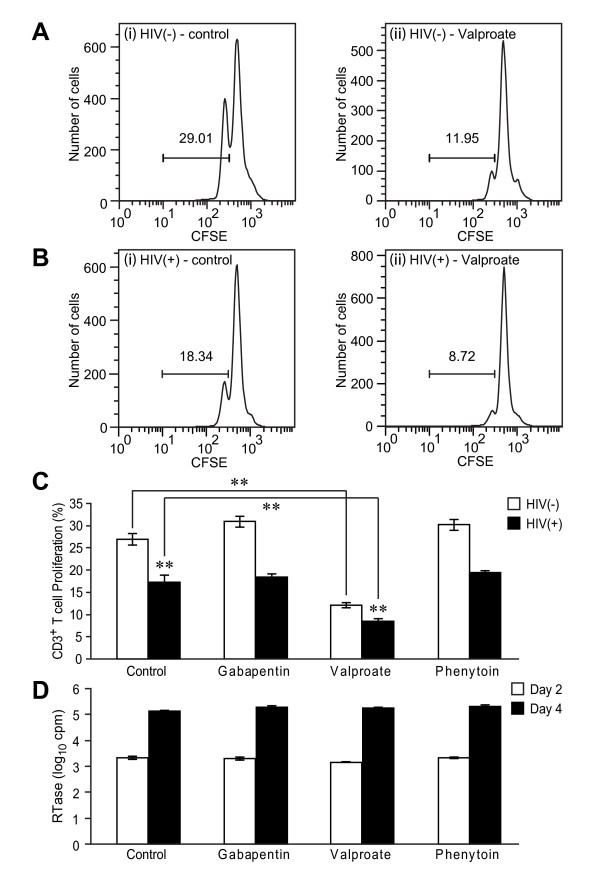
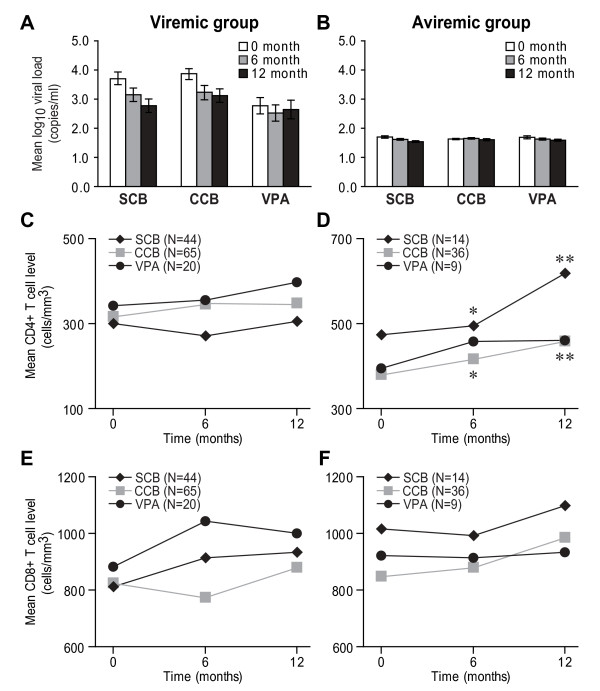
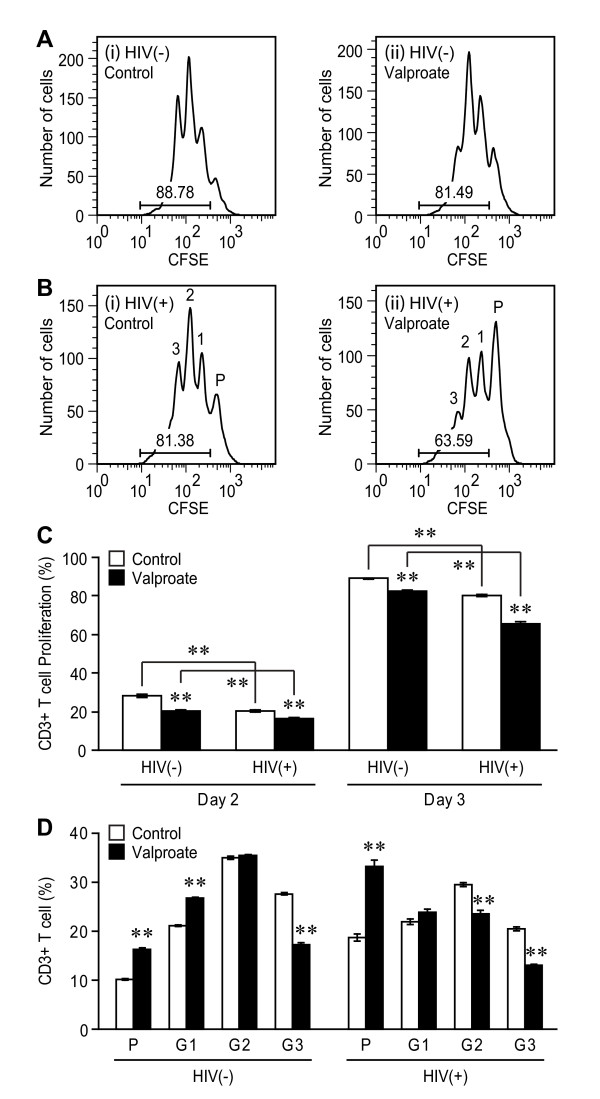
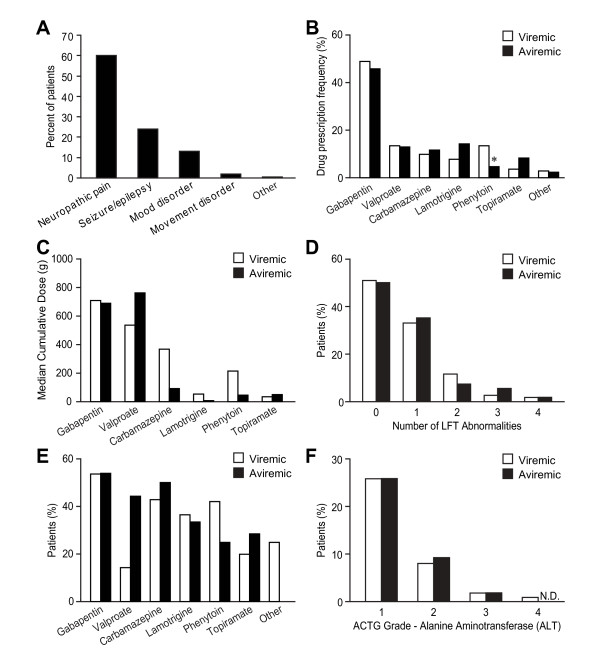
Valproate suppressed proliferation in vitro of both HIV-infected and uninfected T cells (p <0.05) but AED exposures did not affect HIV production in vitro. Among 1345 HIV/AIDS persons in active care between 2001 and 2007, 169 individuals were exposed to AEDs for the following indications: peripheral neuropathy/neuropathic pain (60%), seizure/epilepsy (24%), mood disorder (13%) and movement disorder (2%). The most frequently prescribed AEDs were calcium channel blockers (gabapentin/pregabalin), followed by sodium channel blockers (phenytoin, carbamazepine, lamotrigine) and valproate. In a nested cohort of 55 AED-treated patients receiving cART and aviremic, chronic exposure to sodium and calcium channel blocking AEDs was associated with increased CD4+ T cell levels (p <0.05) with no change in CD8+ T cell levels over 12 months from the beginning of AED therapy.
AEDs were prescribed for multiple indications without major adverse effects in this population but immune status in patients receiving sodium or calcium channel blocking drugs was improved.
尽管抗逆转录病毒疗法(cART)联合应用抗癫痫药物(AED)的范围及其与 cART 的相互作用尚不确定,但经常为接受联合抗逆转录病毒治疗(cART)的艾滋病毒/艾滋病患者开具 AED。在此,研究了 AED 的使用情况、相关毒性和免疫后果。
在 AED 暴露期间分析了增殖人类 T 细胞中的 HIV 复制。通过临床和实验室变量评估了在地理基础上接受艾滋病毒护理计划的患者,此外还评估了 AED 的适应症、类型和累积暴露情况。
丙戊酸在体外抑制 HIV 感染和未感染 T 细胞的增殖(p <0.05),但 AED 暴露并未影响 HIV 在体外的产生。在 2001 年至 2007 年间接受积极治疗的 1345 名艾滋病毒/艾滋病患者中,有 169 人因以下适应症接触 AED:周围神经病/神经性疼痛(60%)、癫痫/癫痫(24%)、情绪障碍(13%)和运动障碍(2%)。最常开的 AED 是钙通道阻滞剂(加巴喷丁/普瑞巴林),其次是钠通道阻滞剂(苯妥英、卡马西平、拉莫三嗪)和丙戊酸。在接受 cART 和无病毒血症的 55 名 AED 治疗患者的嵌套队列中,慢性暴露于钠和钙通道阻断 AED 与 CD4+T 细胞水平升高相关(p <0.05),从 AED 治疗开始的 12 个月内 CD8+T 细胞水平没有变化。
在该人群中,AED 被开具用于多种适应症,且没有出现重大不良反应,但接受钠或钙通道阻断药物治疗的患者的免疫状态得到改善。