Cancer Institute, New York University School of Medicine, New York, New York, United States of America.
PLoS One. 2010 Jun 16;5(6):e11144. doi: 10.1371/journal.pone.0011144.
Immunotherapeutic strategies to stimulate anti-tumor immunity are promising approaches for cancer treatment. A major barrier to their success is the immunosuppressive microenvironment of tumors, which inhibits the functions of endogenous dendritic cells (DCs) that are necessary for the generation of anti-tumor CD8+ T cells. To overcome this problem, autologous DCs are generated ex vivo, loaded with tumor antigens, and activated in this non-suppressive environment before administration to patients. However, DC-based vaccines rarely induce tumor regression.
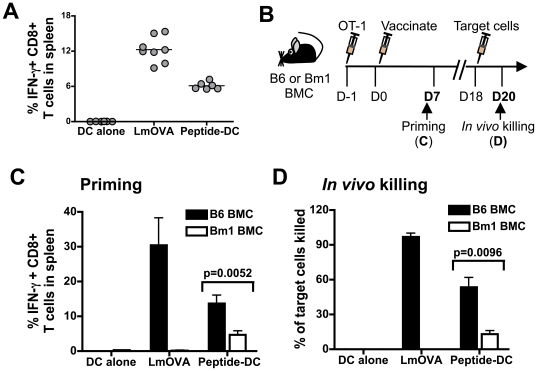
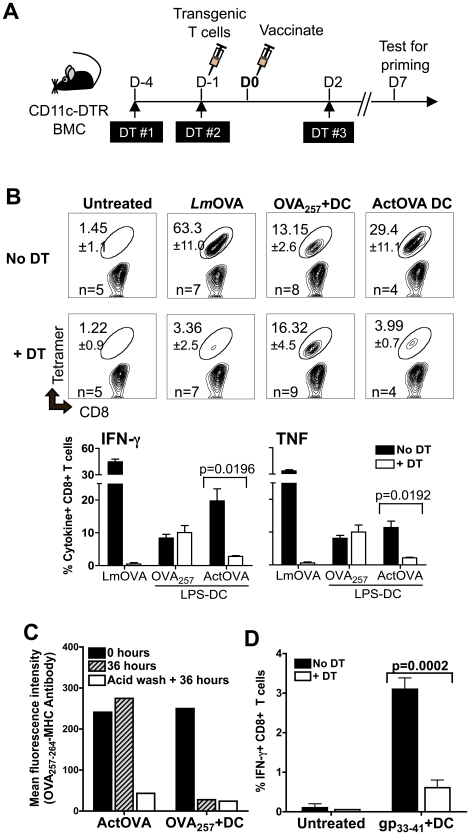
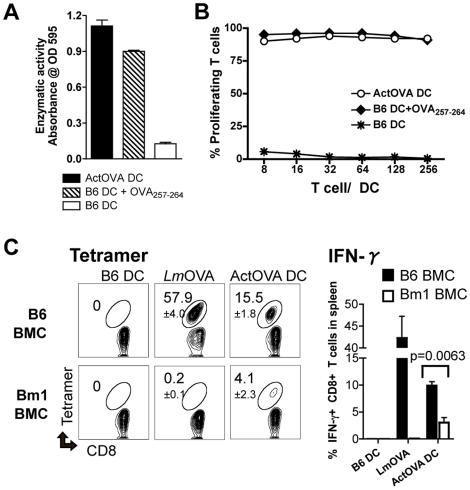
METHODOLOGY/PRINCIPAL FINDINGS: We examined the fate and function of these DCs following their injection using murine models, in order to better understand their interaction with the host immune system. Contrary to previous assumptions, we show that DC vaccines have an insignificant role in directly priming CD8+ T cells, but instead function primarily as vehicles for transferring antigens to endogenous antigen presenting cells, which are responsible for the subsequent activation of T cells.
CONCLUSIONS/SIGNIFICANCE: This reliance on endogenous immune cells may explain the limited success of current DC vaccines to treat cancer and offers new insight into how these therapies can be improved. Future approaches should focus on creating DC vaccines that are more effective at directly priming T cells, or abrogating the tumor induced suppression of endogenous DCs.
免疫治疗策略刺激抗肿瘤免疫是癌症治疗有前途的方法。它们成功的一个主要障碍是肿瘤的免疫抑制微环境,它抑制了内源性树突状细胞(DCs)的功能,而这些细胞对于产生抗肿瘤 CD8+ T 细胞是必需的。为了克服这个问题,自体 DC 在外周血中生成,负载肿瘤抗原,并在非抑制性环境中被激活,然后再给患者使用。然而,基于 DC 的疫苗很少能诱导肿瘤消退。
方法/主要发现:我们使用小鼠模型检查了这些 DC 注射后的命运和功能,以更好地了解它们与宿主免疫系统的相互作用。与之前的假设相反,我们表明 DC 疫苗在直接刺激 CD8+ T 细胞方面作用不大,而是主要作为将抗原转移到内源性抗原呈递细胞的载体,这些细胞负责随后 T 细胞的激活。
结论/意义:这种对内源性免疫细胞的依赖可能解释了当前 DC 疫苗治疗癌症的有限成功,并为这些疗法如何得到改善提供了新的见解。未来的方法应该集中在创造更有效地直接刺激 T 细胞的 DC 疫苗,或消除肿瘤诱导的内源性 DC 抑制。