UOC Pediatria e UTIN, PO Barone I. Romeo, Patti, Messina, Italy.
Ital J Pediatr. 2010 Jul 7;36:48. doi: 10.1186/1824-7288-36-48.
Respiratory syncytial virus is the most important pathogen in lower respiratory tract infection in infants and young children. In high-risk populations it may develop severe, sometimes fatal, lower respiratory tract infections. A proportion of these infants require admission to intensive care units due to the severity of the condition and the level of care needed. Furthermore, we must consider the possible increased risk of asthma following RSV infection in infancy.
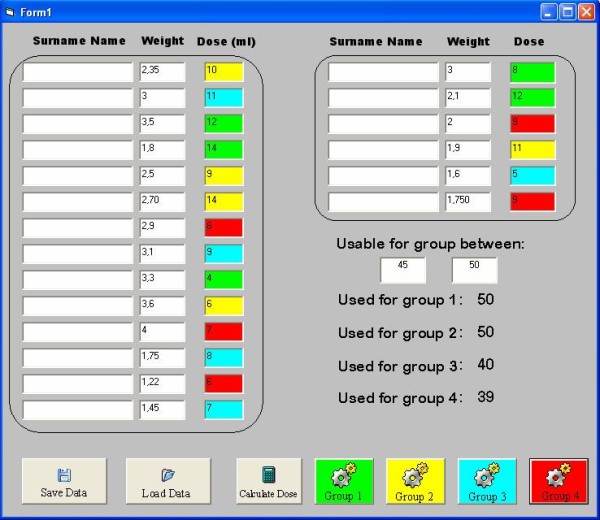
The aim of this work is to show how we strictly coordinated, during the 2008-2009 RSV season, the delivery of prophylaxis while minimising drug cost through vial sharing and cohorting infants with a software performed through Visual Basic programming system.
By using this method we have been able to obtain a saving of the 29.2% compared to the theoretical amount. No infant requested hospitalisation for a RSV infection.
Such a model ensures all patients to receive appropriate immunization and thus positively influencing the cost-benefit of palivizumab prophylaxis. We hope that our model of care delivery will be of use to other hospitals.
呼吸道合胞病毒是婴儿和幼儿下呼吸道感染最重要的病原体。在高危人群中,它可能会导致严重的、有时甚至致命的下呼吸道感染。由于病情严重和所需护理水平的原因,这些婴儿中有一部分需要入住重症监护病房。此外,我们还必须考虑到婴儿期 RSV 感染后哮喘风险可能增加。
本工作的目的是展示我们如何在 2008-2009 年 RSV 季节期间,通过使用 Visual Basic 编程系统执行的软件,通过小瓶共享和分组将预防措施严格协调,同时将药物成本降至最低。
通过使用这种方法,我们已经能够节省 29.2%的理论用量。没有婴儿因 RSV 感染而要求住院治疗。
这种模式可确保所有患者都能接受适当的免疫接种,从而对帕利珠单抗预防的成本效益产生积极影响。我们希望我们的护理提供模式能对其他医院有所帮助。