Division of Otolaryngology-Head and Neck Surgery, Department of Surgery, University of Wisconsin Madison, Madison, Wisconsin 53705-2275, USA.
Laryngoscope. 2010 Sep;120(9):1819-25. doi: 10.1002/lary.21037.
OBJECTIVES/HYPOTHESIS: Tumor necrosis factor-alpha (TNF-alpha) is an inflammatory cytokine and apoptotic molecule that appears to be a mediator in inflammation and fibrosis. The objective of this investigation was to examine the effects of TNF-alpha on 3D Carbylan-GSX in vitro cultured human vocal fold fibroblasts (hVFFs), to provide insight into the mechanism responsible for the improved vocal fold wound healing that has been previous reported with Carbylan-GSX treatment.
In vitro cell culture.
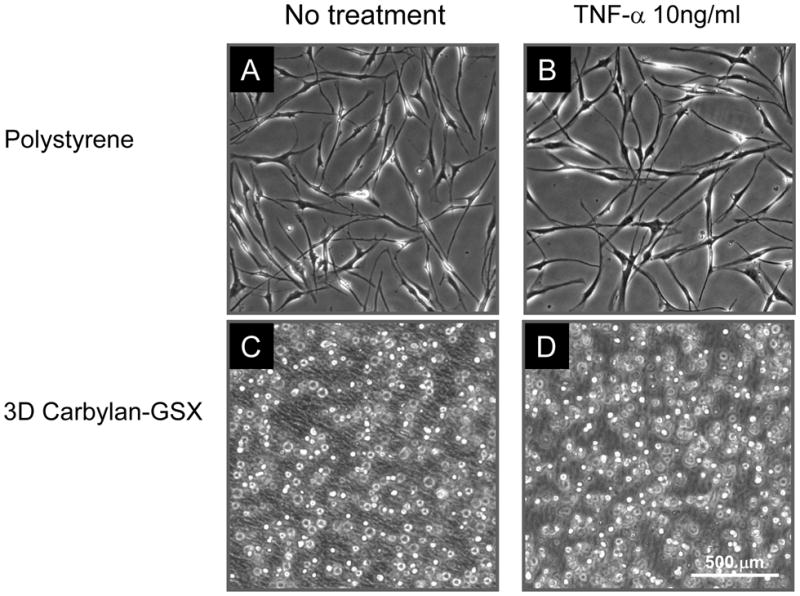
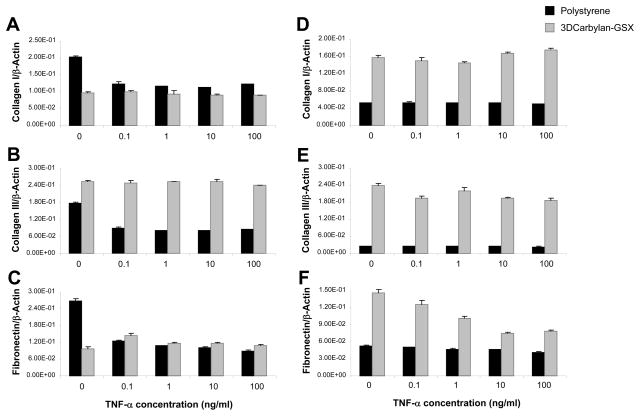
hVFF were cultured in 3D Carbylan-GSX and on polystyrene with different dosages of TNF-alpha (0, 0.1, 1, 10, and 100 ng/mL) with and without 10% fetal bovine serum (FBS). hVFF response to TNF-alpha was characterized by morphology, proliferation rates, and gene transcript levels for matrix metalloproteinase 1 (MMP1), matrix metalloproteinase 2 (MMP2), tissue inhibitor of metalloproteinase 3 (TIMP3), collagen I, collagen III, fibronectin, and TNF-alpha receptor.
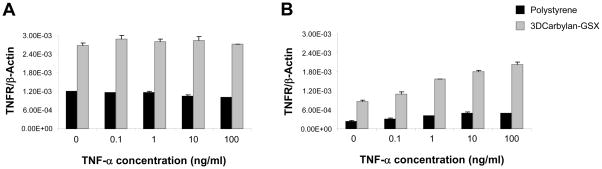
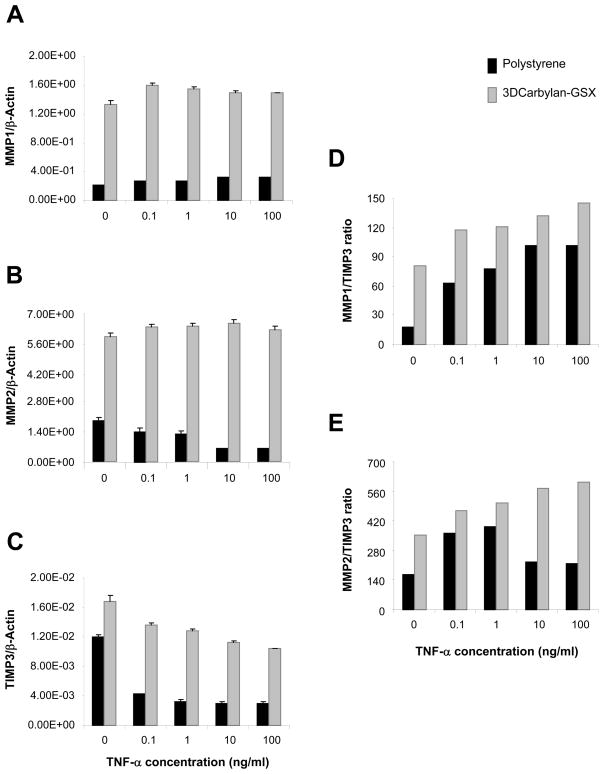
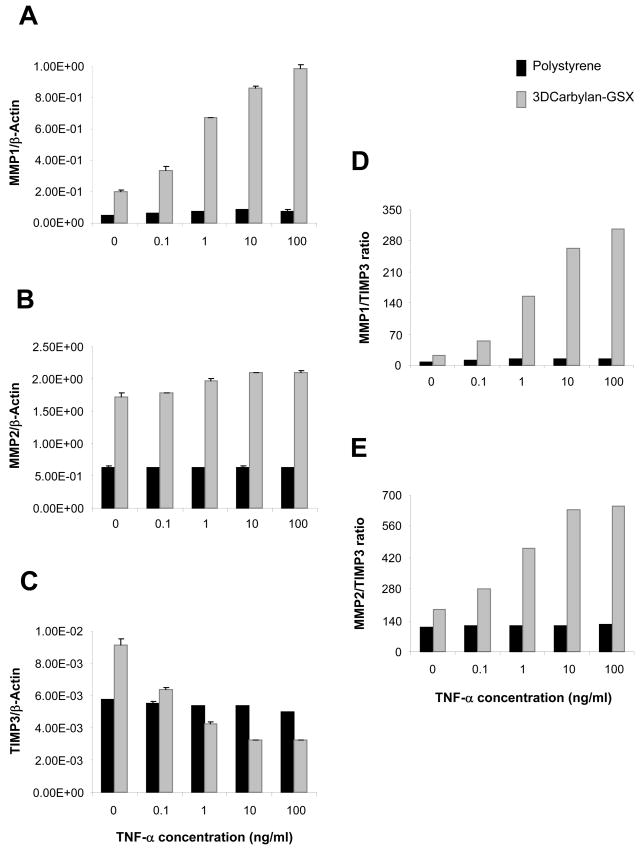
In 3D Carbylan-GSX, TNF-alpha inhibited hVFF proliferation in a dose-dependent manner. TNF-alpha (0.1-100 ng/mL) was shown to significantly downregulate TIMP3 and extracellular matrix-related mRNA transcript levels for collagen III and fibronectin and to upregulate MMP1 and MMP2 expression, resulting in increased MMP/TIMP3 ratios. TNF-alpha receptor expression was significantly upregulated in Carbylan-GSX compared to control polystyrene. Responses were more marked in 10% FBS culture.
After vocal fold injury, locally injected Carbylan-GSX can enhance the role of TNF-alpha in remodeling the lamina propria layer of the vocal fold, accelerating wound healing. Carbylan-GSX has potential as a new therapeutic approach that may lead to better treatment of vocal fold wound healing.
目的/假设:肿瘤坏死因子-α(TNF-α)是一种炎症细胞因子和凋亡分子,似乎是炎症和纤维化的介质。本研究的目的是研究 TNF-α对体外培养的人声带成纤维细胞(hVFF)中 3D Carbylan-GSX 的影响,为之前报道的 Carbylan-GSX 治疗改善声带愈合的机制提供深入了解。
体外细胞培养。
hVFF 在 3D Carbylan-GSX 和聚苯乙烯中培养,用不同剂量的 TNF-α(0、0.1、1、10 和 100ng/mL)处理,有和没有 10%胎牛血清(FBS)。通过形态、增殖率以及基质金属蛋白酶 1(MMP1)、基质金属蛋白酶 2(MMP2)、金属蛋白酶组织抑制剂 3(TIMP3)、胶原蛋白 I、胶原蛋白 III、纤连蛋白和 TNF-α受体的基因转录水平来描述 hVFF 对 TNF-α的反应。
在 3D Carbylan-GSX 中,TNF-α呈剂量依赖性抑制 hVFF 增殖。TNF-α(0.1-100ng/mL)显著下调 TIMP3 和细胞外基质相关基因转录本中胶原蛋白 III 和纤连蛋白的水平,并上调 MMP1 和 MMP2 的表达,导致 MMP/TIMP3 比值增加。与对照聚苯乙烯相比,Carbylan-GSX 中 TNF-α受体的表达显著上调。在 10%FBS 培养物中,反应更为明显。
声带损伤后,局部注射 Carbylan-GSX 可以增强 TNF-α在重塑声带固有层中的作用,加速伤口愈合。Carbylan-GSX 具有作为一种新的治疗方法的潜力,可能会导致更好的声带伤口愈合治疗。