Department of Microbiology, University of Alabama at Birmingham, Birmingham, AL 35294, USA.
J Immunol. 2010 Sep 15;185(6):3643-51. doi: 10.4049/jimmunol.1000841. Epub 2010 Aug 18.
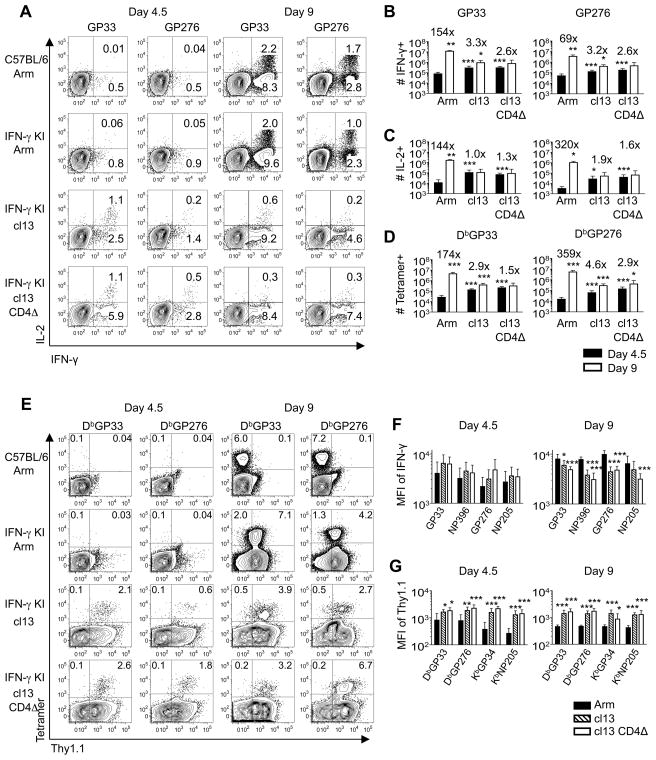
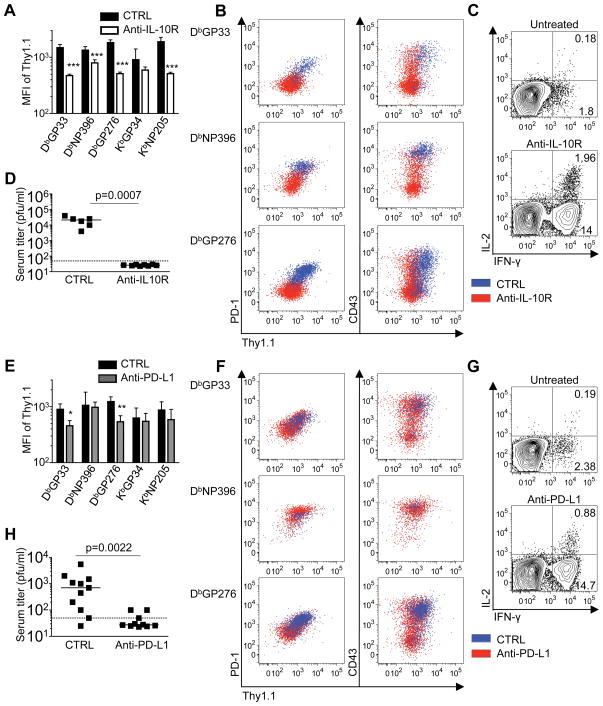
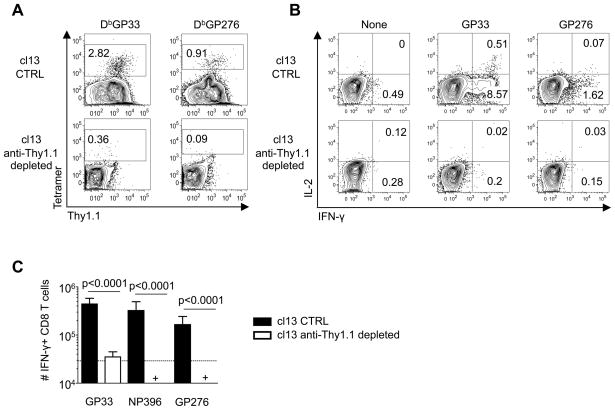
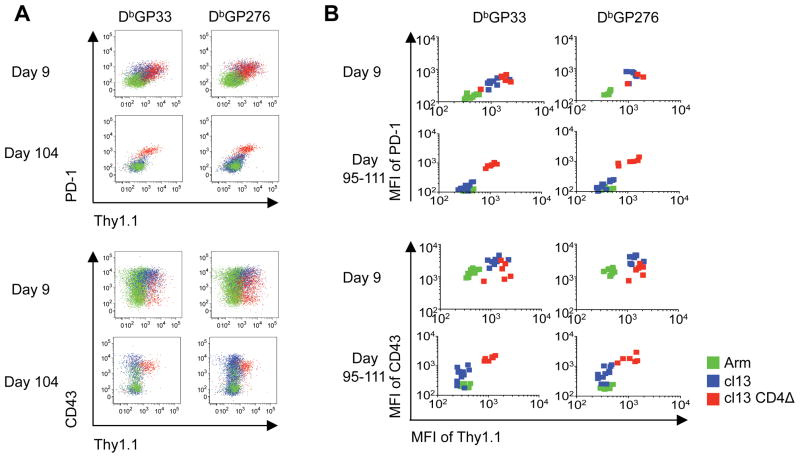
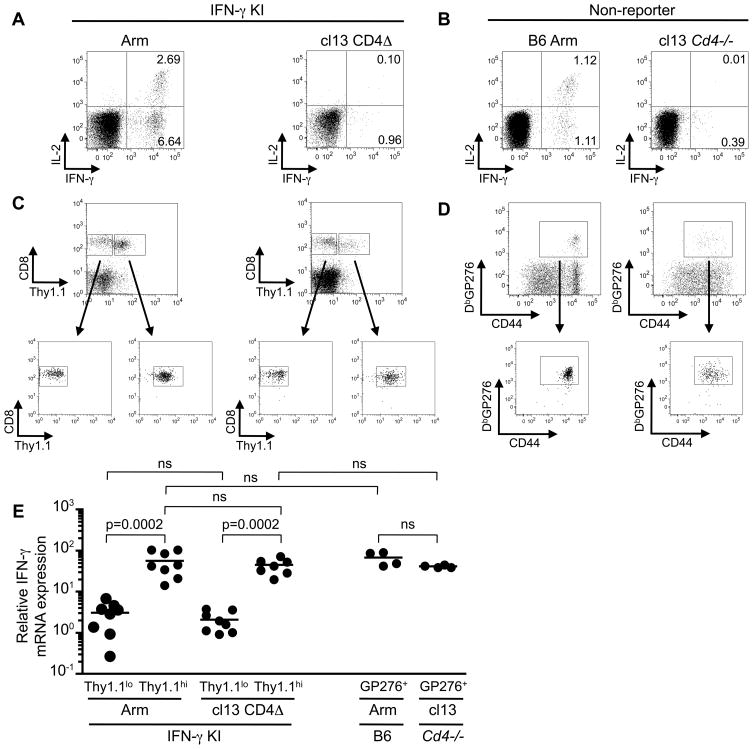
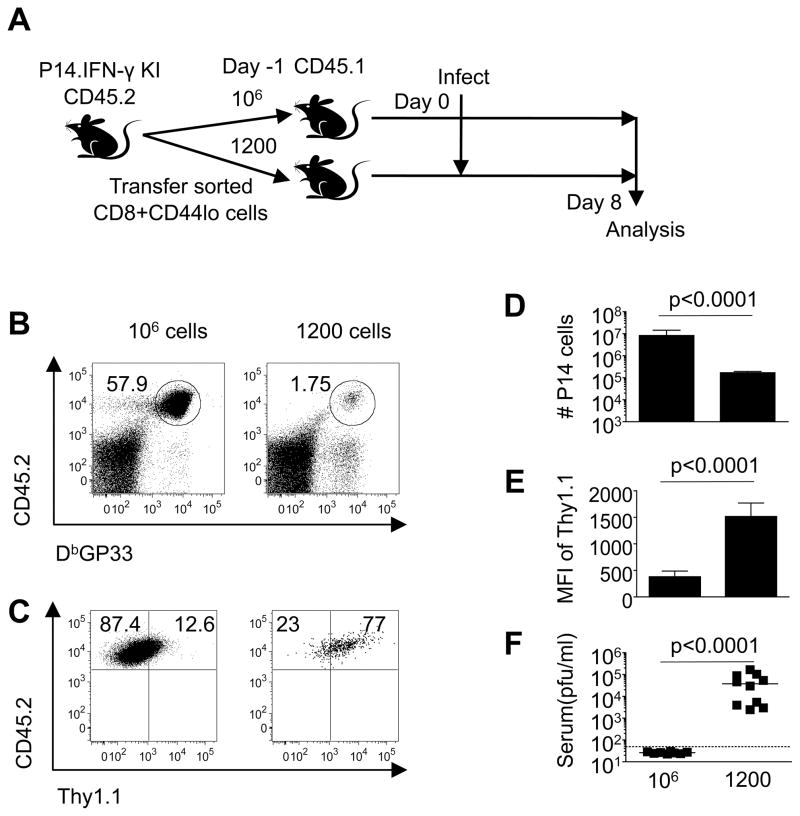
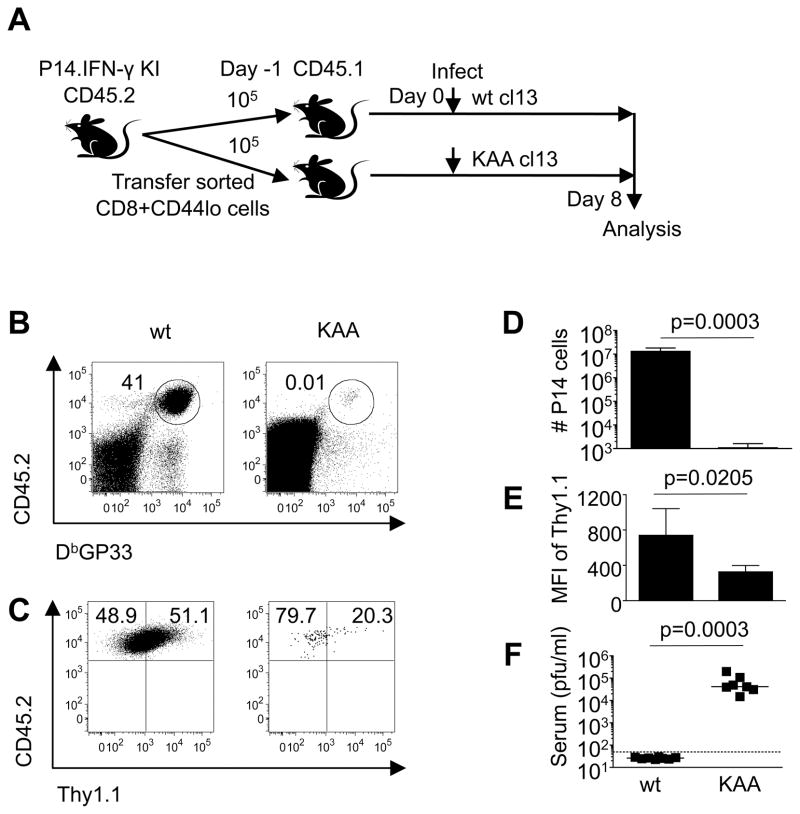
During many chronic infections, the responding CD8 T cells become exhausted as they progressively lose their ability to elaborate key effector functions. Unlike prototypic memory CD8 cells, which rapidly synthesize IFN-gamma following activation, severely exhausted T cells fail to produce this effector molecule. Nevertheless, the ontogeny of exhausted CD8 T cells, as well as the underlying mechanisms that account for their functional inactivation, remains ill defined. We have used cytokine reporter mice, which mark the transcription of IFN-gamma mRNA by the expression of Thy1.1, to decipher how activation events during the early stages of a chronic infection dictate the development of exhaustion. We show that virus-specific CD8 T cells clearly respond during the early stages of chronic lymphocytic choriomeningitis virus infection, and that this early T cell response is more pronounced than that initially observed in acutely infected hosts. Thus, exhausted CD8 T cells appear to emerge from populations of potently activated precursors. Unlike acute infections, which result in massive expansion of the responding T cells, there is a rapid attenuation of further expansion during chronic infections. The exhausted T cells that subsequently emerge in chronically infected hosts are incapable of producing the IFN-gamma protein. Surprisingly, high levels of the IFN-gamma transcript are still present in exhausted cells, demonstrating that ablation of IFN-gamma production by exhausted cells is not due to transcriptional silencing. Thus, posttranscription regulatory mechanisms likely disable this effector module.
在许多慢性感染中,随着 CD8 T 细胞逐渐失去其产生关键效应功能的能力,它们会变得疲惫不堪。与典型的记忆 CD8 细胞不同,后者在激活后会迅速合成 IFN-γ,严重疲惫的 T 细胞无法产生这种效应分子。然而,耗尽的 CD8 T 细胞的发生机制以及导致其功能失活的潜在机制仍未得到明确界定。我们使用细胞因子报告小鼠,通过表达 Thy1.1 来标记 IFN-γ mRNA 的转录,以解析在慢性感染的早期阶段激活事件如何决定衰竭的发展。我们表明,病毒特异性 CD8 T 细胞在慢性淋巴细胞脉络丛脑膜炎病毒感染的早期阶段明显作出反应,并且这种早期 T 细胞反应比在急性感染宿主中最初观察到的更为明显。因此,耗尽的 CD8 T 细胞似乎来自于具有强大激活前体的群体。与导致应答性 T 细胞大量扩增的急性感染不同,慢性感染中进一步扩增会迅速减弱。随后在慢性感染宿主中出现的耗尽 T 细胞无法产生 IFN-γ 蛋白。令人惊讶的是,耗尽细胞中仍存在高水平的 IFN-γ 转录本,这表明耗尽细胞中 IFN-γ 产生的缺失不是由于转录沉默。因此,转录后调节机制可能会使这个效应模块失活。