Centre for Operational Research, International Union against Tuberculosis and Lung Diseases (The Union), Paris, France.
PLoS One. 2010 Oct 12;5(10):e13338. doi: 10.1371/journal.pone.0013338.
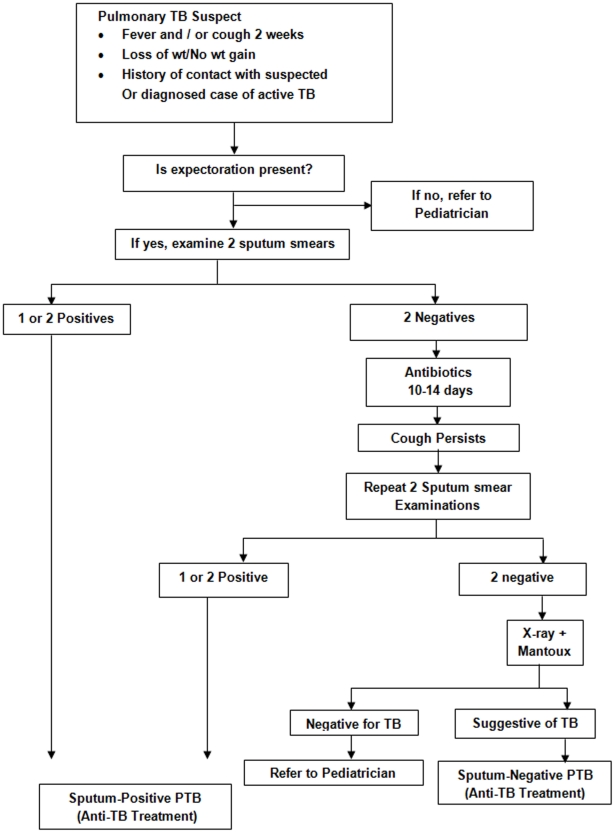
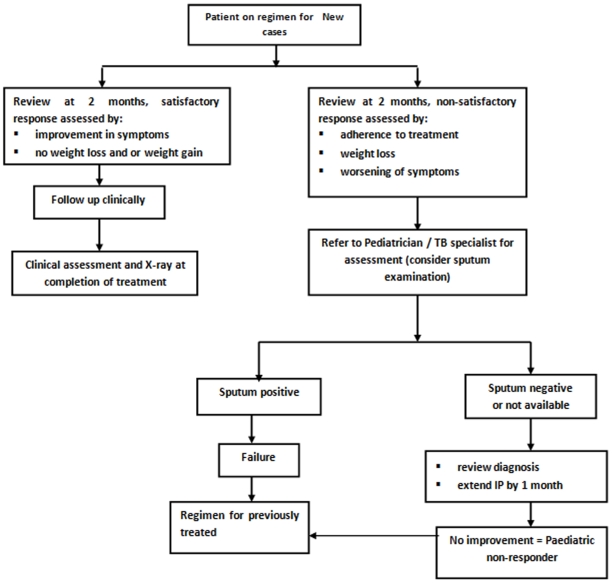
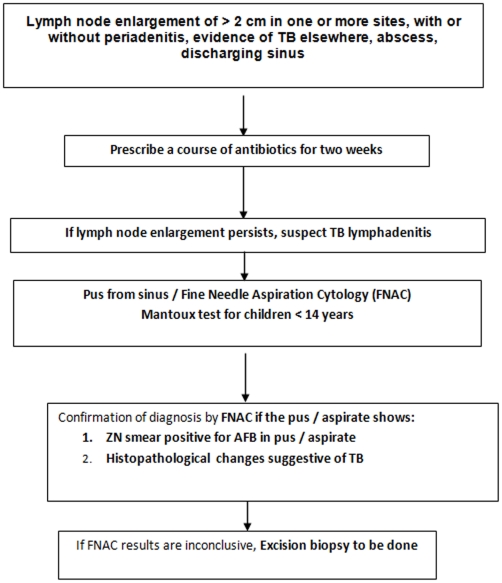
Childhood tuberculosis (TB) patients under India's Revised National TB Control Programme (RNTCP) are managed using diagnostic algorithms and directly observed treatment with intermittent thrice-weekly short-course treatment regimens for 6-8 months. The assignment into pre-treatment weight bands leads to drug doses (milligram per kilogram) that are lower than current World Health Organization (WHO) guidelines for some patients.
The main aim of our study was to describe the baseline characteristics and treatment outcomes reported under RNTCP for registered childhood (age <15 years) TB patients in Delhi. Additionally, we compared the reported programmatic treatment completion rates between children treated as per WHO recommended anti-TB drug doses with those children treated with anti-TB drug doses below that recommended in WHO guidelines.
For this cross-sectional retrospective study, we reviewed programme records of all 1089 TB patients aged <15 years registered for TB treatment from January to June, 2008 in 6 randomly selected districts of Delhi. WHO disease classification and treatment outcome definitions are used by RNTCP, and these were extracted as reported in programme records.
Among 1074 patients with records available, 651 (61%) were females, 122 (11%) were <5 years of age, 1000 (93%) were new cases, and 680 (63%) had extra-pulmonary TB (EP-TB)--most commonly peripheral lymph node disease [310 (46%)]. Among 394 pulmonary TB (PTB) cases, 165 (42%) were sputum smear-positive. The overall reported treatment completion rate was 95%. Similar reported treatment completion rates were found in all subgroups assessed, including those patients whose drug dosages were lower than that currently recommended by WHO. Further studies are needed to assess the reasons for the low proportion of under-5 years of age TB case notifications, address challenges in reaching all childhood TB patients by RNTCP, the accuracy of diagnosis, and the clinical validity of reported programme defined treatment completion.
在印度修订后的国家结核控制规划(RNTCP)下,儿童结核病(TB)患者采用诊断算法和直接观察治疗,使用间歇性每周三次的短程治疗方案,治疗时间为 6-8 个月。根据治疗前体重分组,导致一些患者的药物剂量(每公斤毫克数)低于目前世界卫生组织(WHO)的建议。
本研究的主要目的是描述在德里根据 RNTCP 登记的儿童(年龄<15 岁)结核病患者的基线特征和治疗结果。此外,我们比较了按照世卫组织推荐的抗结核药物剂量治疗的儿童与按照世卫组织指南建议的抗结核药物剂量治疗的儿童报告的方案治疗完成率。
这项横断面回顾性研究回顾了 2008 年 1 月至 6 月期间在德里随机选择的 6 个区登记的所有 1089 名年龄<15 岁的结核病患者的方案记录。RNTCP 使用世卫组织疾病分类和治疗结果定义,这些定义是根据方案记录中报告的内容提取的。
在有记录的 1074 名患者中,651 名(61%)为女性,122 名(11%)年龄<5 岁,1000 名(93%)为新发病例,680 名(63%)患有肺外结核病(EP-TB)-最常见的是外周淋巴结疾病[310(46%)]。在 394 例肺结核(PTB)病例中,165 例(42%)痰涂片阳性。总的报告治疗完成率为 95%。在评估的所有亚组中,包括药物剂量低于世卫组织目前建议的患者,都发现了类似的报告治疗完成率。需要进一步研究来评估五岁以下结核病病例报告比例低的原因,解决 RNTCP 难以覆盖所有儿童结核病患者的问题,诊断的准确性以及报告方案定义的治疗完成的临床有效性。