Department of Developmental and Molecular Biology, Albert Einstein College of Medicine, Bronx, NY 10461, USA.
Diabetes Obes Metab. 2010 Oct;12 Suppl 2(0 2):4-14. doi: 10.1111/j.1463-1326.2010.01263.x.
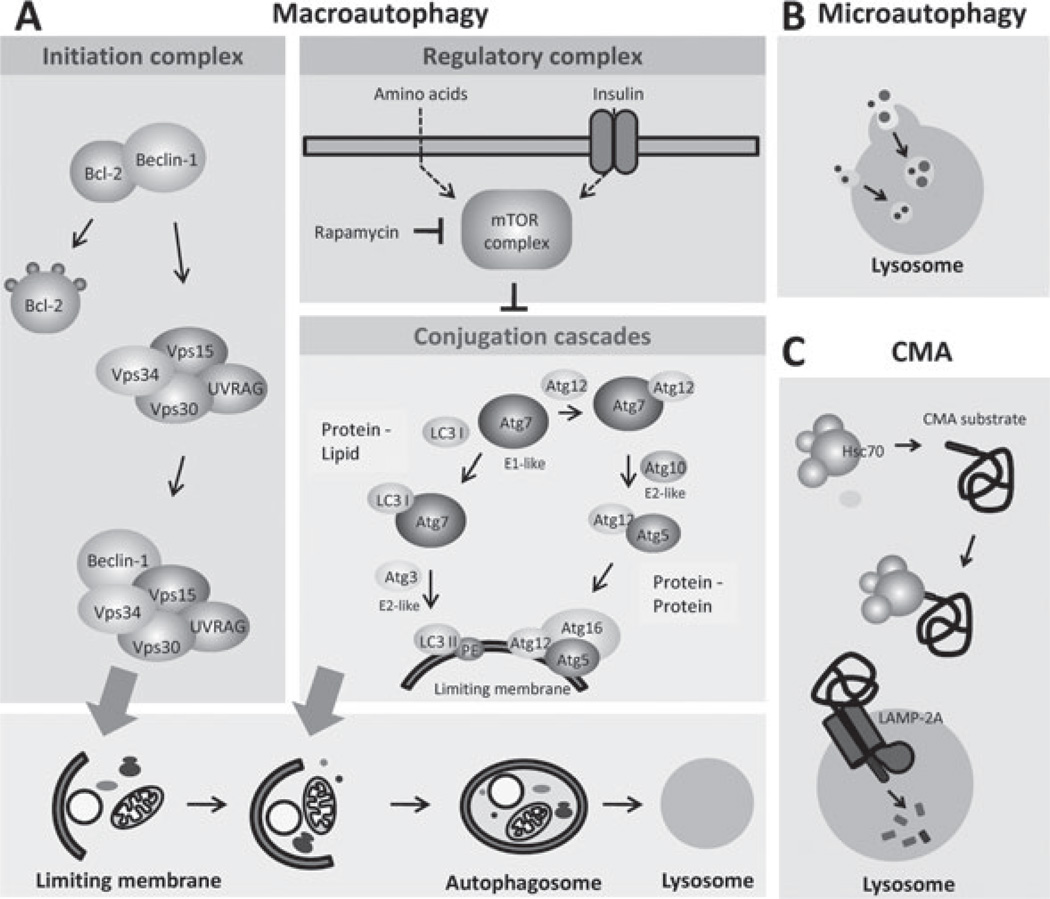
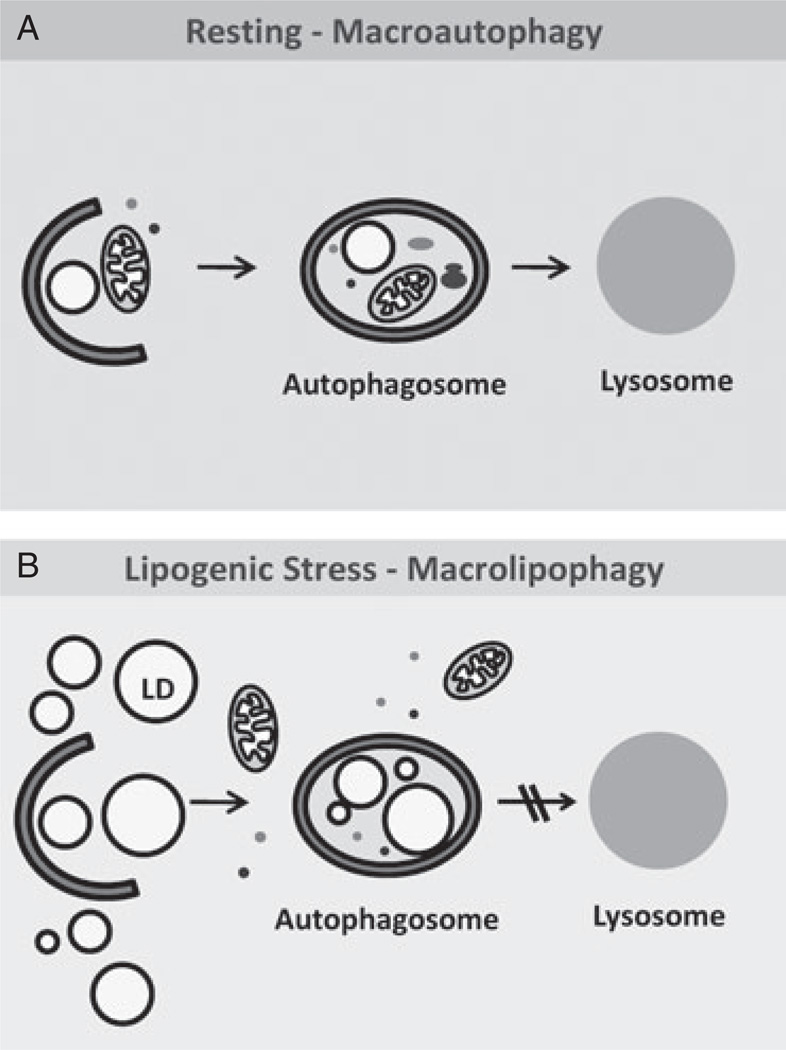
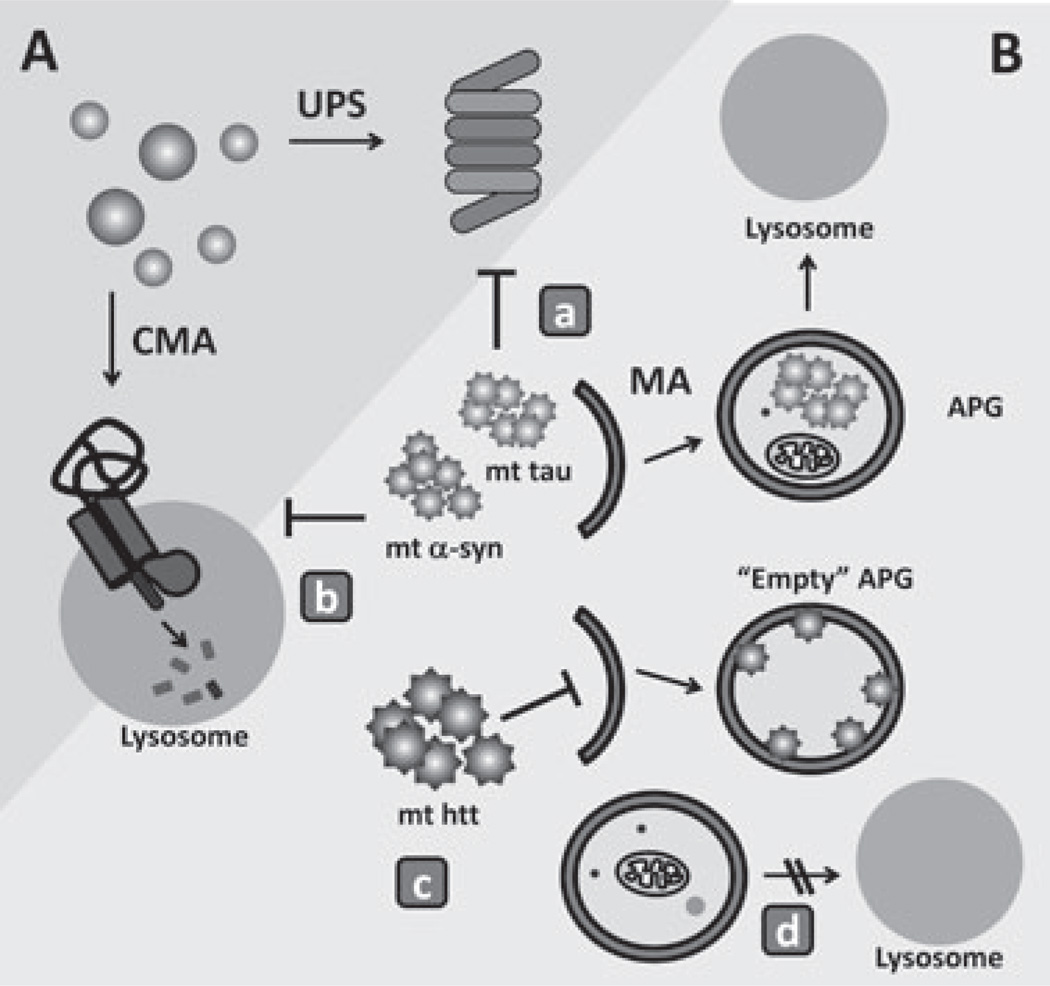
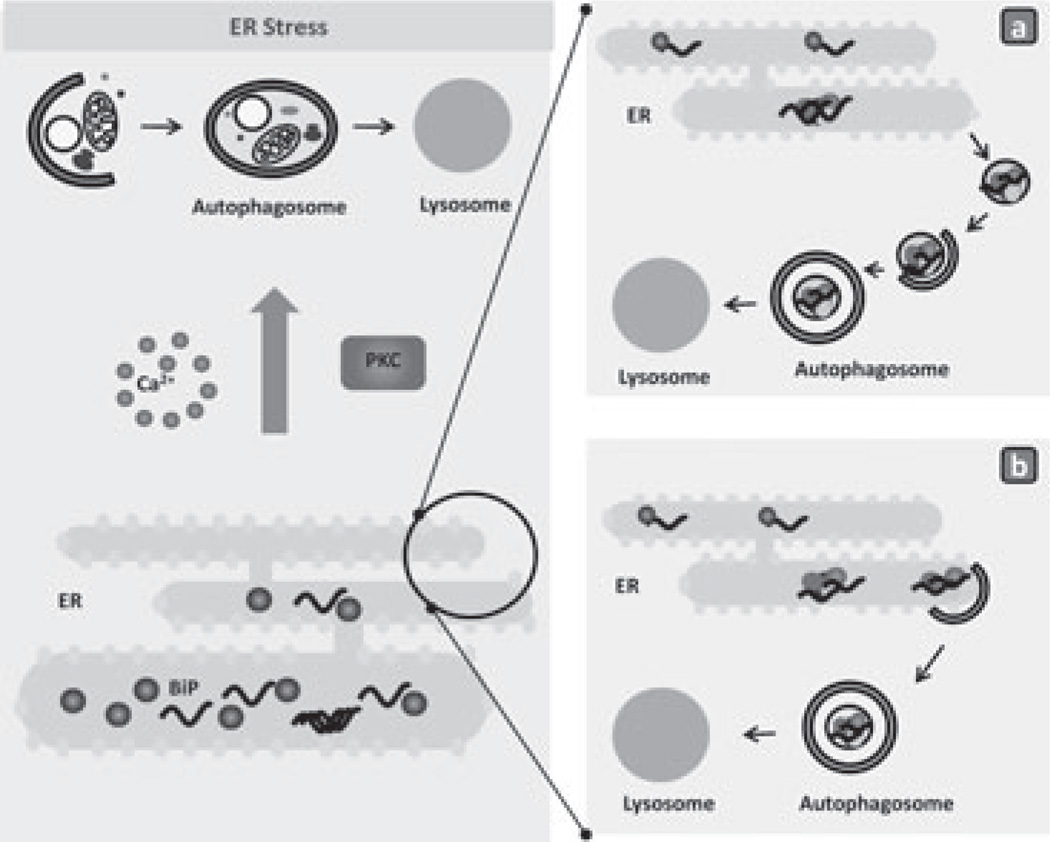
Autophagy is an essential intracellular process that mediates degradation of intracellular proteins and organelles in lysosomes. Autophagy was initially identified for its role as alternative source of energy when nutrients are scarce but, in recent years, a previously unknown role for this degradative pathway in the cellular response to stress has gained considerable attention. In this review, we focus on the novel findings linking autophagic function with metabolic stress resulting either from proteins or lipids. Proper autophagic activity is required in the cellular defense against proteotoxicity arising in the cytosol and also in the endoplasmic reticulum, where a vast amount of proteins are synthesized and folded. In addition, autophagy contributes to mobilization of intracellular lipid stores and may be central to lipid metabolism in certain cellular conditions. In this review, we focus on the interrelation between autophagy and different types of metabolic stress, specifically the stress resulting from the presence of misbehaving proteins within the cytosol or in the endoplasmic reticulum and the stress following a lipogenic challenge. We also comment on the consequences that chronic exposure to these metabolic stressors could have on autophagic function and on how this effect may underlie the basis of some common metabolic disorders.
自噬是一种重要的细胞内过程,介导溶酶体中细胞内蛋白质和细胞器的降解。自噬最初被确定为在营养物质匮乏时作为替代能源的作用,但近年来,这条降解途径在细胞应对应激中的先前未知作用引起了相当大的关注。在这篇综述中,我们重点介绍了将自噬功能与由蛋白质或脂质引起的代谢应激联系起来的新发现。适当的自噬活性对于细胞防御细胞质和内质网中产生的蛋白毒性是必需的,因为大量的蛋白质在细胞质和内质网中被合成和折叠。此外,自噬有助于动员细胞内脂质储存,并可能在某些细胞条件下对脂质代谢起核心作用。在这篇综述中,我们重点介绍了自噬与不同类型的代谢应激之间的相互关系,特别是由细胞质或内质网中行为不当的蛋白质引起的应激以及随后的产脂挑战所引起的应激。我们还评论了慢性暴露于这些代谢应激源对自噬功能的影响,以及这种影响如何可能是一些常见代谢紊乱的基础。