The Salk Institute for Biological Studies, 10010 North Torrey Pines Road, La Jolla, CA 92037, USA.
Cell. 2010 Nov 12;143(4):527-39. doi: 10.1016/j.cell.2010.10.016.
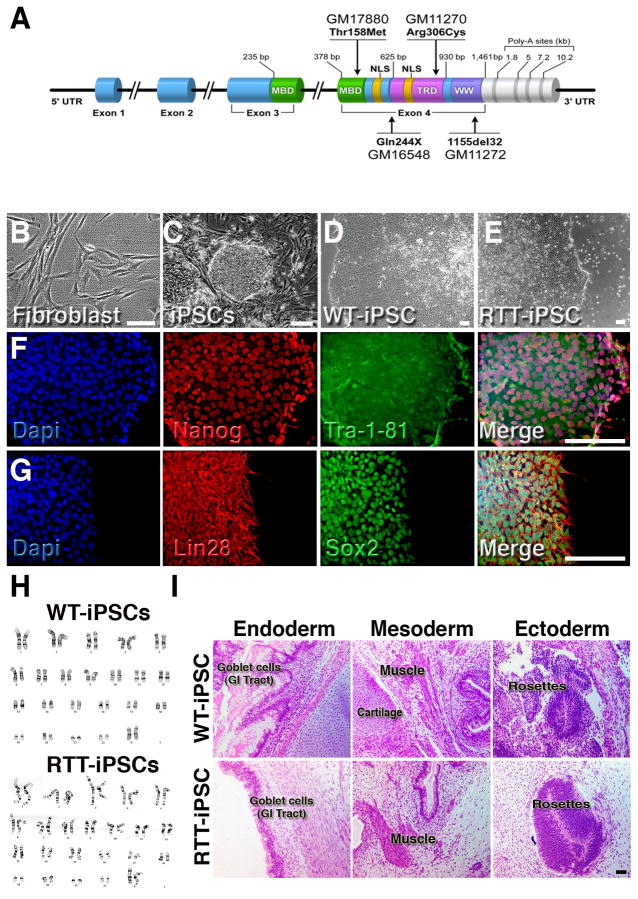
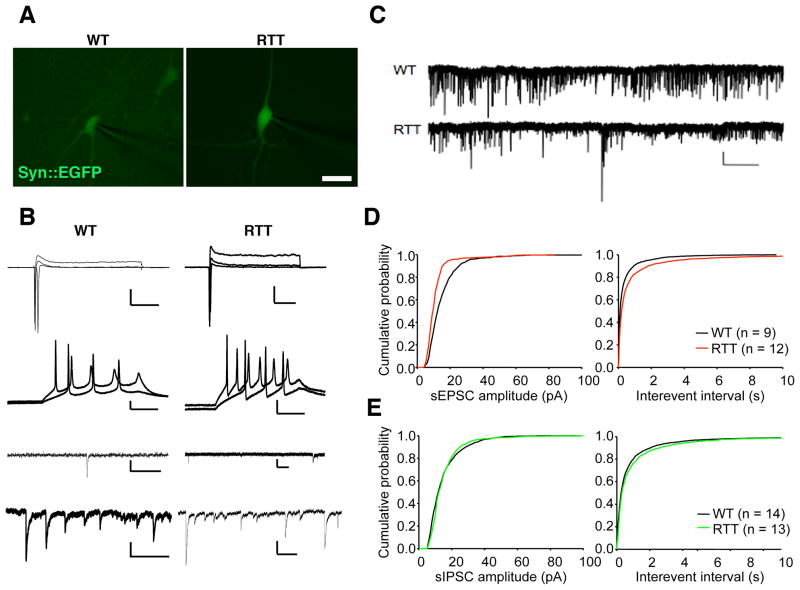
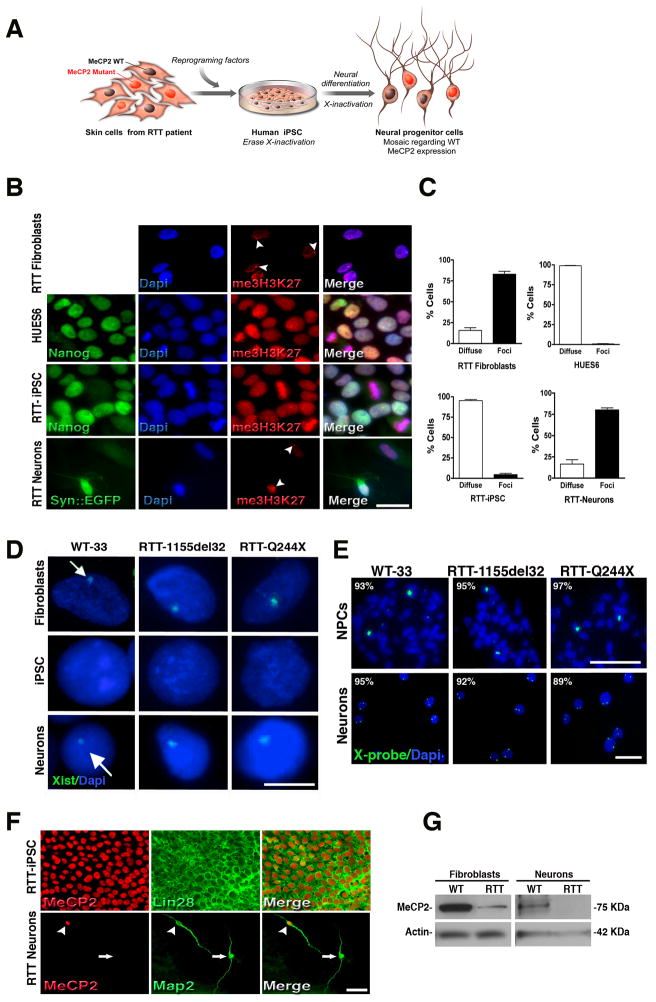
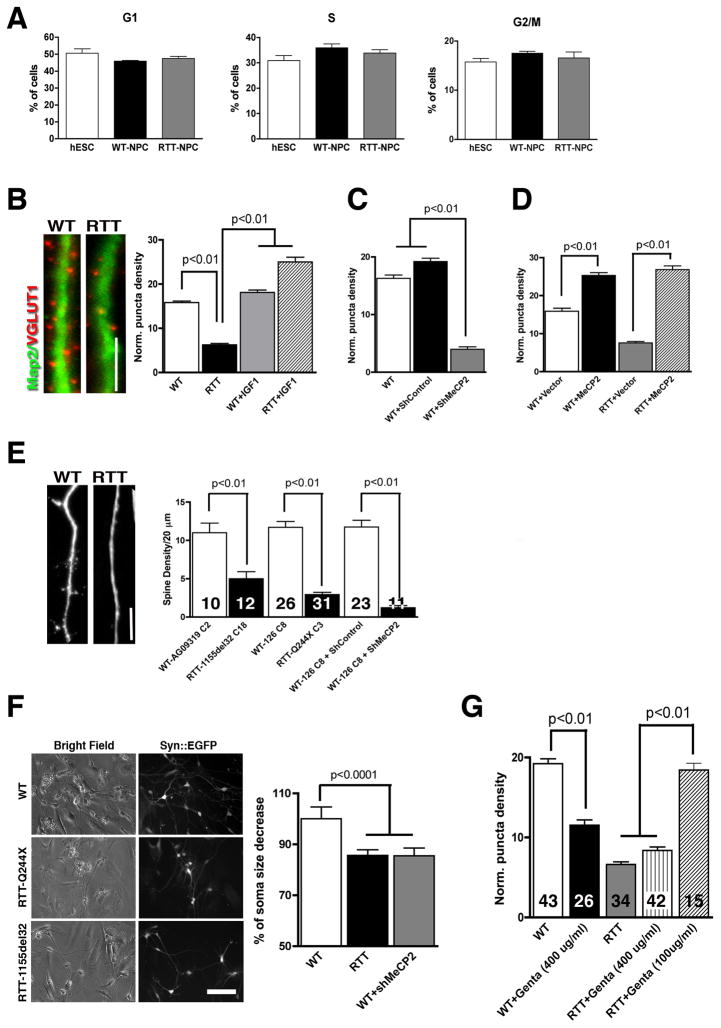
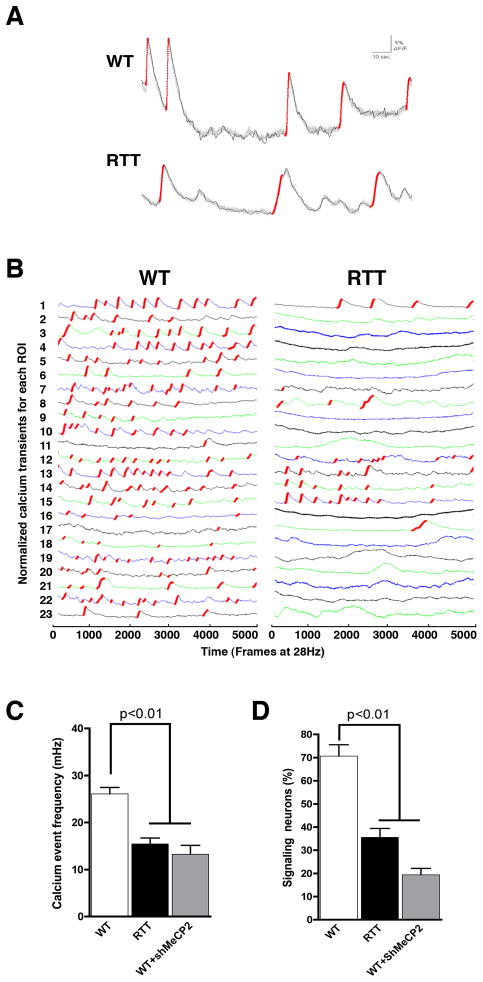
Autism spectrum disorders (ASD) are complex neurodevelopmental diseases in which different combinations of genetic mutations may contribute to the phenotype. Using Rett syndrome (RTT) as an ASD genetic model, we developed a culture system using induced pluripotent stem cells (iPSCs) from RTT patients' fibroblasts. RTT patients' iPSCs are able to undergo X-inactivation and generate functional neurons. Neurons derived from RTT-iPSCs had fewer synapses, reduced spine density, smaller soma size, altered calcium signaling and electrophysiological defects when compared to controls. Our data uncovered early alterations in developing human RTT neurons. Finally, we used RTT neurons to test the effects of drugs in rescuing synaptic defects. Our data provide evidence of an unexplored developmental window, before disease onset, in RTT syndrome where potential therapies could be successfully employed. Our model recapitulates early stages of a human neurodevelopmental disease and represents a promising cellular tool for drug screening, diagnosis and personalized treatment.
自闭症谱系障碍(ASD)是一种复杂的神经发育疾病,其中不同的基因突变组合可能导致表型。我们使用雷特综合征(RTT)作为 ASD 的遗传模型,开发了一种使用 RTT 患者成纤维细胞诱导多能干细胞(iPSC)的培养系统。RTT 患者的 iPSC 能够经历 X 失活并产生功能性神经元。与对照相比,源自 RTT-iPSC 的神经元突触较少,棘突密度降低,胞体大小减小,钙信号改变和电生理缺陷。我们的数据揭示了发育中的人类 RTT 神经元的早期改变。最后,我们使用 RTT 神经元来测试药物在挽救突触缺陷方面的效果。我们的数据提供了证据,表明在 RTT 综合征中,在疾病发作之前存在一个未被探索的发育窗口期,在该窗口期内可以成功采用潜在的治疗方法。我们的模型重现了人类神经发育疾病的早期阶段,是药物筛选、诊断和个性化治疗的有前途的细胞工具。