Ross P C, Figler R A, Corjay M H, Barber C M, Adam N, Harcus D R, Lynch K R
Department of Pharmacology, University of Virginia School of Medicine, Charlottesville 22908.
Proc Natl Acad Sci U S A. 1990 Apr;87(8):3052-6. doi: 10.1073/pnas.87.8.3052.
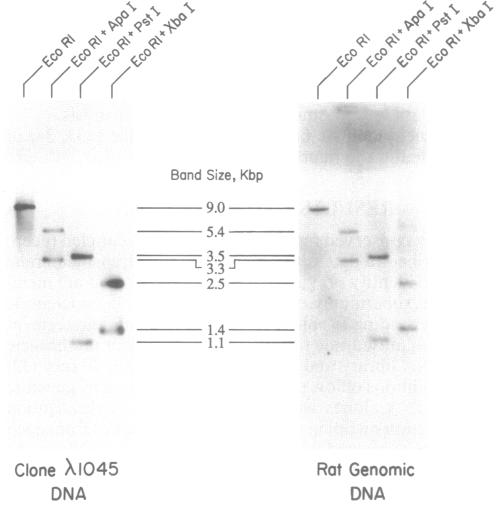
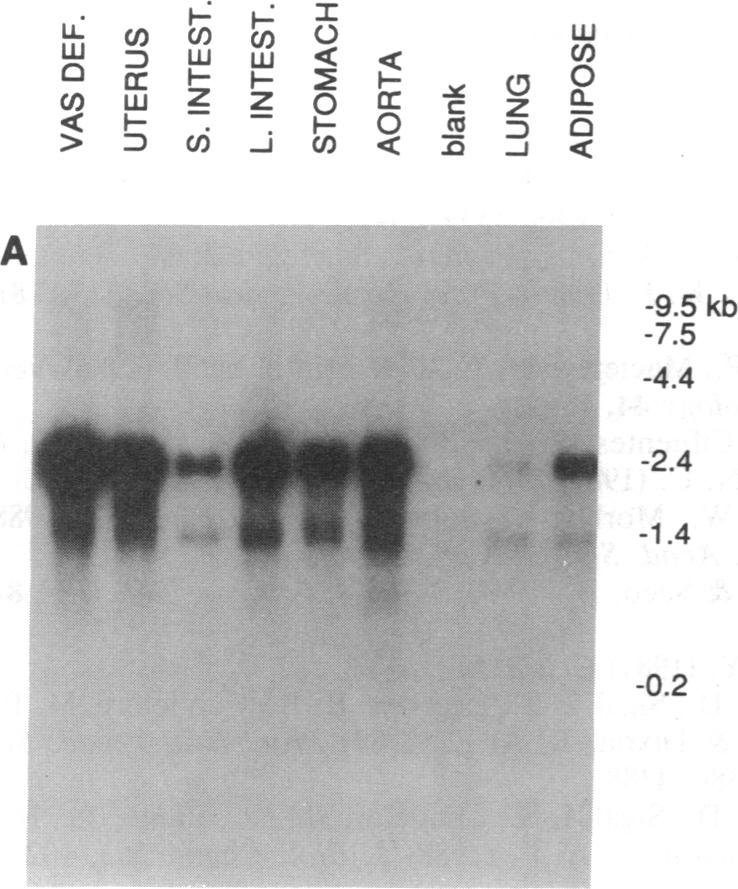
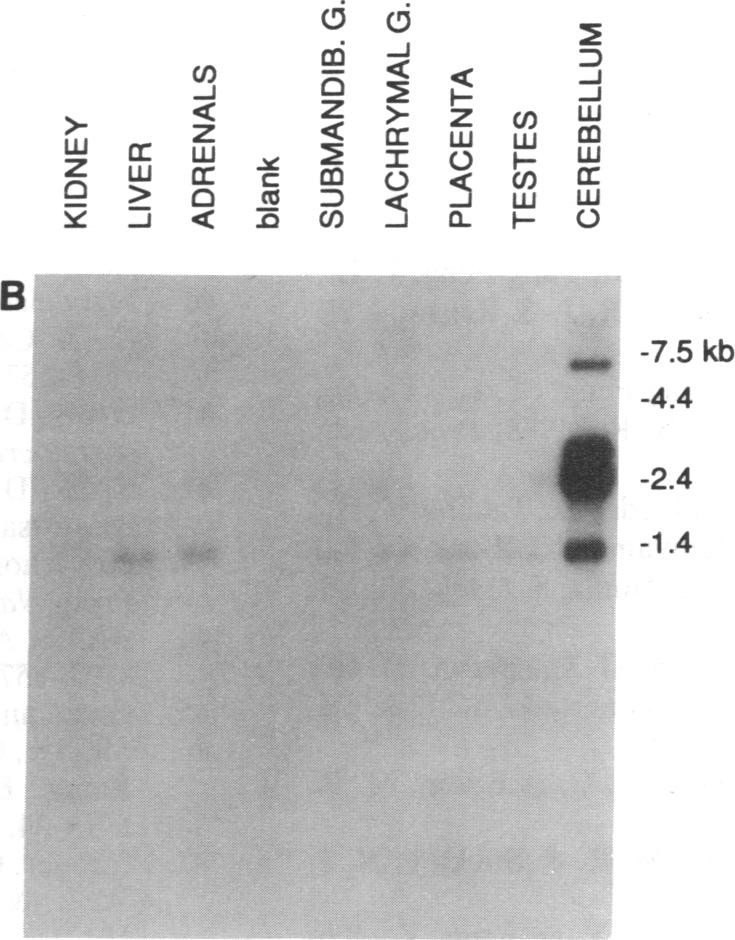
Genomic and cDNA clones, encoding a protein that is a member of the guanine nucleotide-binding regulatory protein (G protein)-coupled receptor superfamily, were isolated by screening rat genomic and thoracic aorta cDNA libraries with an oligonucleotide encoding a highly conserved region of the M1 muscarinic acetylcholine receptor. Sequence analyses of these clones showed that they encode a 343-amino acid protein (named RTA). The RTA gene is single copy, as demonstrated by restriction mapping and Southern blotting of genomic clones and rat genomic DNA. Sequence analysis of the genomic clone further showed that the RTA gene has an intron interrupting the region encoding the amino terminus of the protein. RTA RNA sequences are relatively abundant throughout the gut, vas deferens, uterus, and aorta but are only barely detectable (on Northern blots) in liver, kidney, lung, and salivary gland. In the rat brain, RTA sequences are markedly abundant in the cerebellum. RTA is most closely related to the mas oncogene (34% identity), which has been suggested to be a forebrain angiotensin receptor. We cannot detect angiotensin binding to the RTA protein after introducing the cognate cDNA or mRNA into COS cells or Xenopus oocytes, respectively, nor can we detect an electrophysiologic response in the oocyte after application of angiotensin peptides. We conclude that RTA is not an angiotensin receptor; to date, we have been unable to identify its ligand.
通过用编码M1毒蕈碱型乙酰胆碱受体高度保守区域的寡核苷酸筛选大鼠基因组文库和胸主动脉cDNA文库,分离出了编码一种属于鸟嘌呤核苷酸结合调节蛋白(G蛋白)偶联受体超家族成员的蛋白质的基因组克隆和cDNA克隆。对这些克隆的序列分析表明,它们编码一种343个氨基酸的蛋白质(命名为RTA)。如基因组克隆和大鼠基因组DNA的限制性图谱分析及Southern印迹所示,RTA基因是单拷贝的。基因组克隆的序列分析进一步表明,RTA基因有一个内含子,打断了编码该蛋白质氨基末端的区域。RTA RNA序列在整个肠道、输精管、子宫和主动脉中相对丰富,但在肝脏、肾脏、肺和唾液腺中仅勉强可检测到(在Northern印迹上)。在大鼠脑中,RTA序列在小脑中明显丰富。RTA与mas癌基因关系最为密切(同一性为34%),有人认为mas癌基因是前脑血管紧张素受体。分别将同源cDNA或mRNA导入COS细胞或非洲爪蟾卵母细胞后,我们无法检测到血管紧张素与RTA蛋白结合,在应用血管紧张素肽后,我们也无法在卵母细胞中检测到电生理反应。我们得出结论,RTA不是血管紧张素受体;迄今为止,我们尚未能够鉴定其配体。