Gwathmey Inc, Cambridge, MA 2038, USA.
J Mol Cell Cardiol. 2011 May;50(5):803-12. doi: 10.1016/j.yjmcc.2010.11.011. Epub 2010 Nov 18.
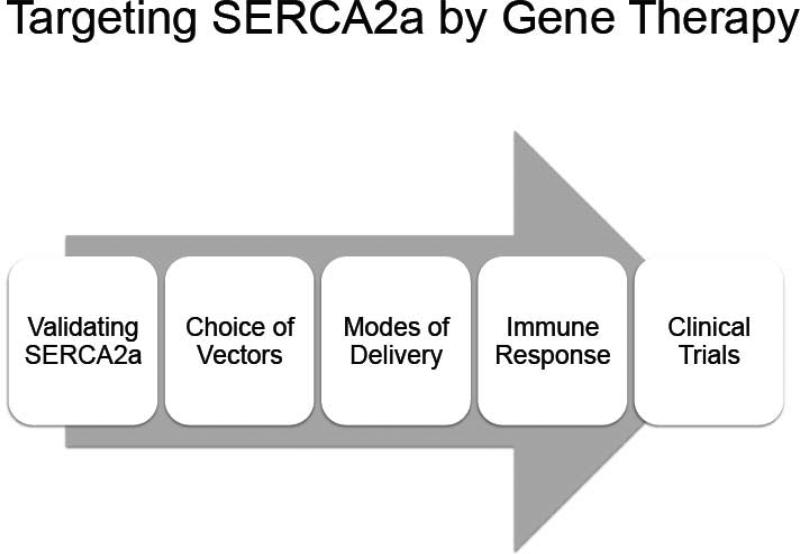
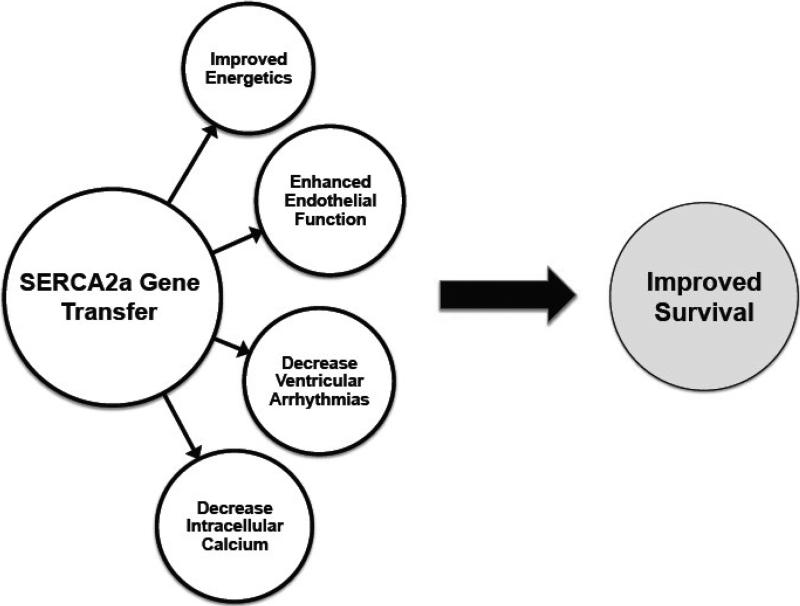
While progress in conventional treatments is making steady and incremental gains to reduce mortality associated with heart failure, there remains a need to explore potentially new therapeutic approaches. Heart failure induced by different etiologies such as coronary artery disease, hypertension, diabetes, infection, or inflammation results generally in calcium cycling dysregulation at the myocyte level. Recent advances in understanding of the molecular basis of these calcium cycling abnormalities, together with the evolution of increasingly efficient gene transfer technology, have placed heart failure within reach of gene-based therapy. Furthermore, the recent successful completion of a phase 2 trial targeting the sarcoplasmic reticulum calcium pump (SERCA2a) ushers in a new era for gene therapy for the treatment of heart failure. This article is part of a Special Section entitled "Special Section: Cardiovascular Gene Therapy".
尽管常规治疗方法在稳步取得进展,逐步减少与心力衰竭相关的死亡率,但仍需要探索潜在的新治疗方法。由不同病因引起的心力衰竭,如冠状动脉疾病、高血压、糖尿病、感染或炎症,通常会导致心肌细胞水平钙循环调节异常。对这些钙循环异常分子基础的理解的最新进展,以及基因转移技术的不断发展,使心力衰竭成为基因治疗的目标。此外,针对肌浆网钙泵(SERCA2a)的 2 期临床试验的成功完成,为心力衰竭的基因治疗开辟了一个新时代。本文是“心血管基因治疗特刊”的一部分。