Diabetes and Obesity Center, Institute of Molecular Cardiology, University of Louisville, Louisville, KY 40202, United States.
Chem Biol Interact. 2011 May 30;191(1-3):288-95. doi: 10.1016/j.cbi.2010.12.002. Epub 2010 Dec 11.
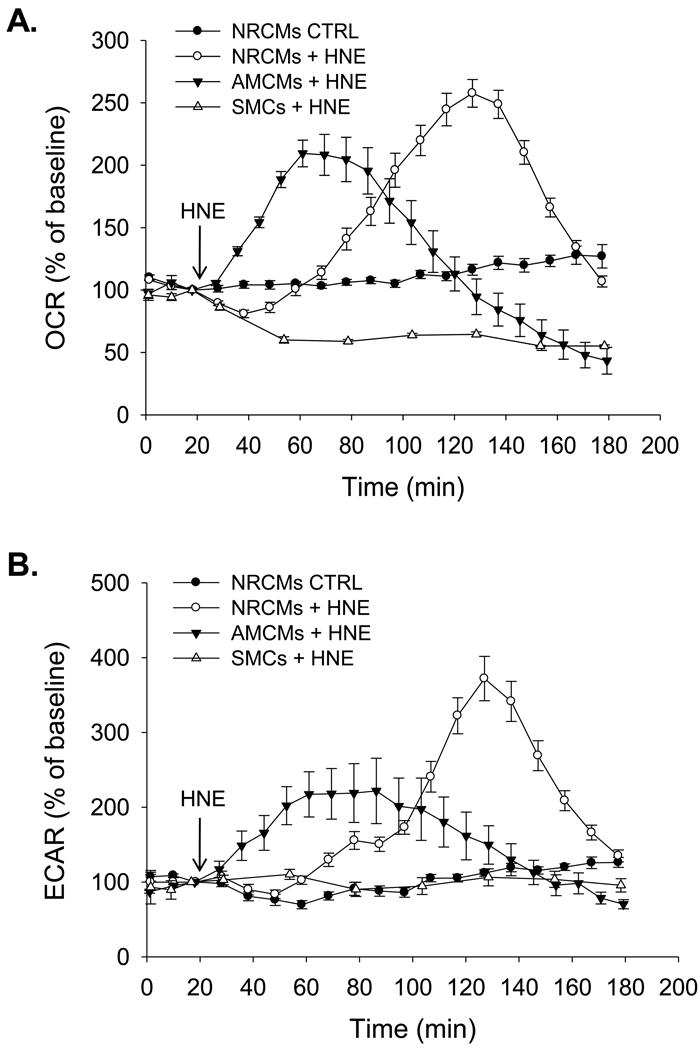
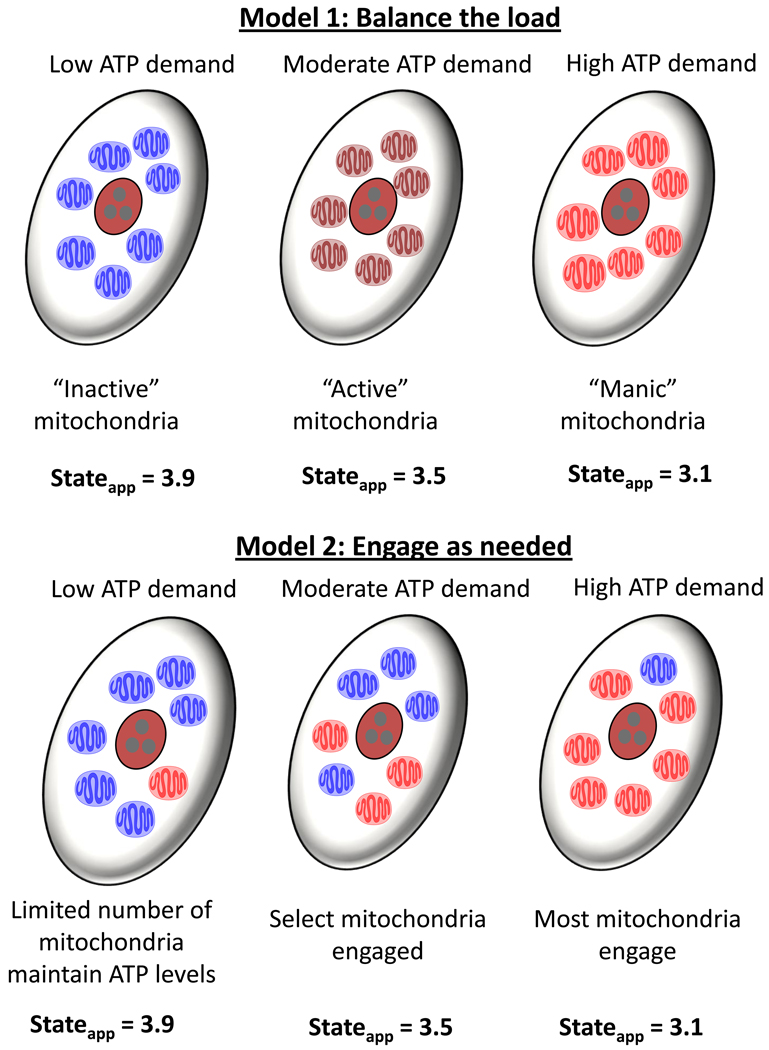
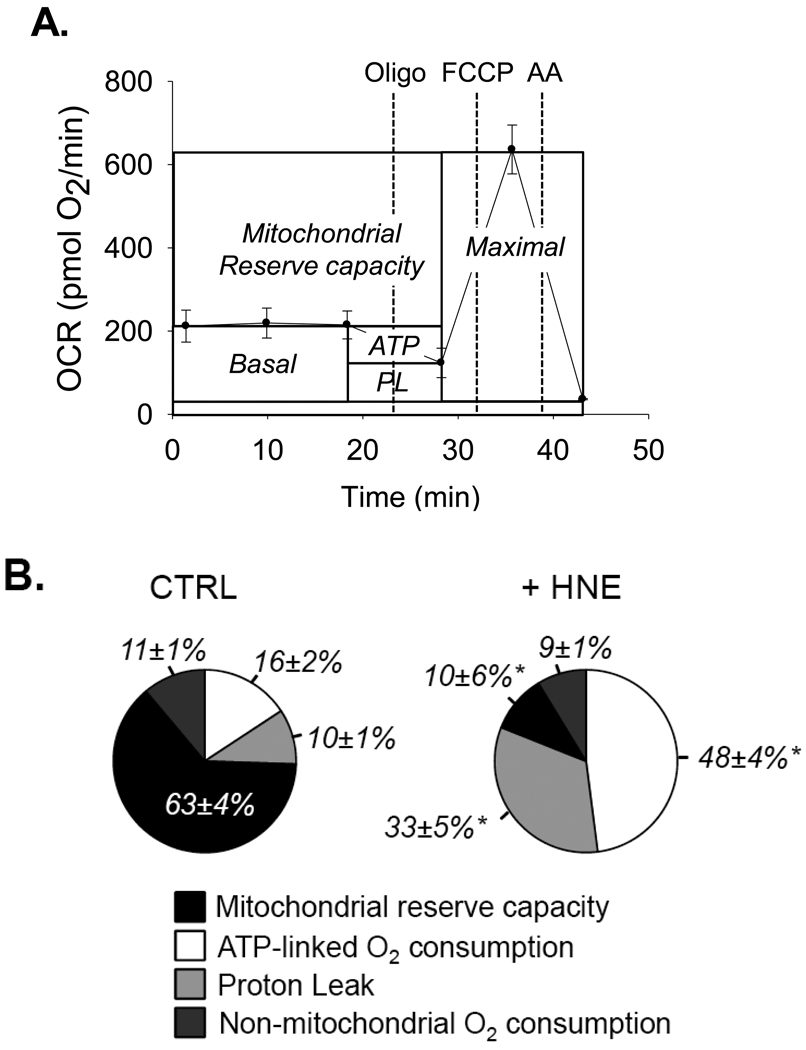
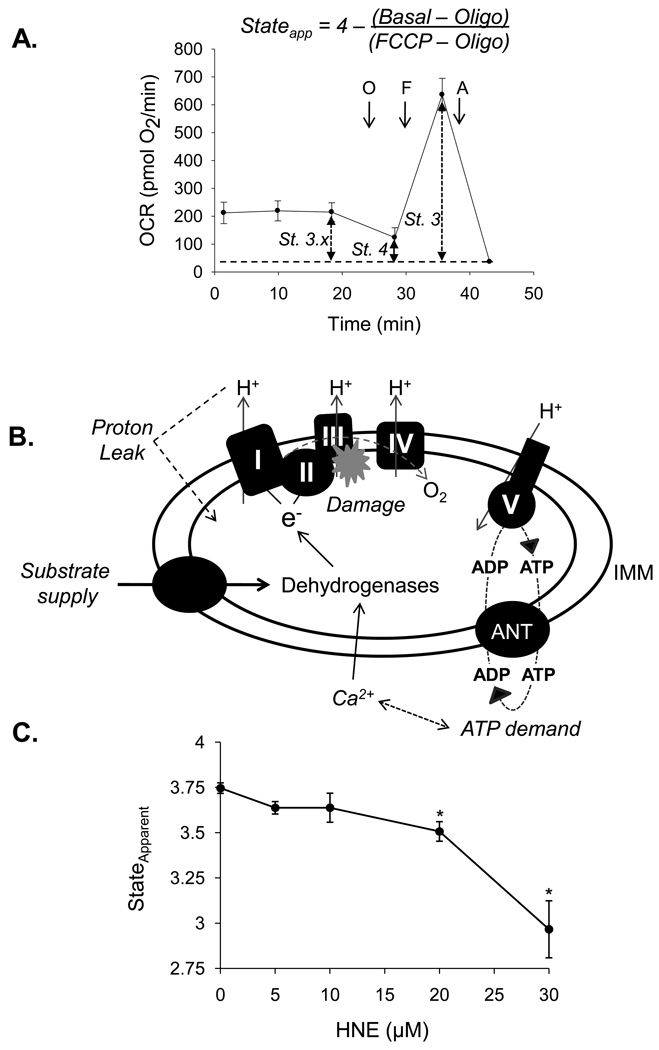
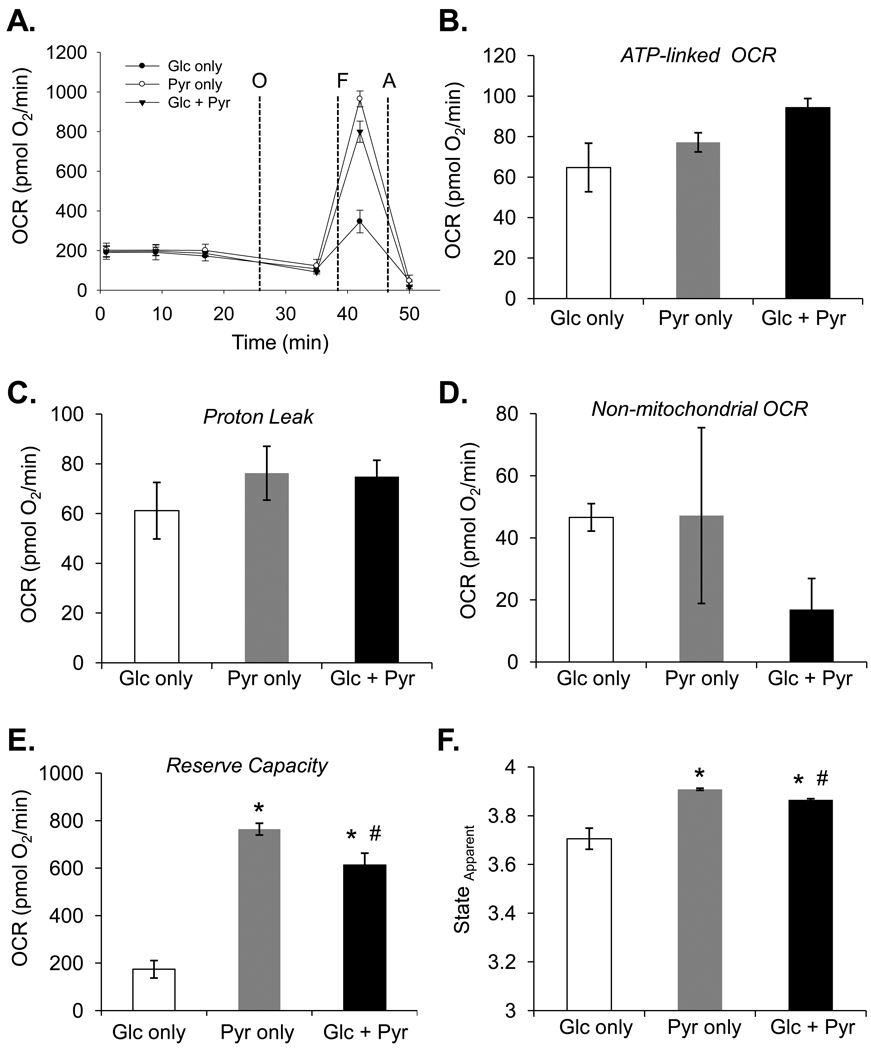
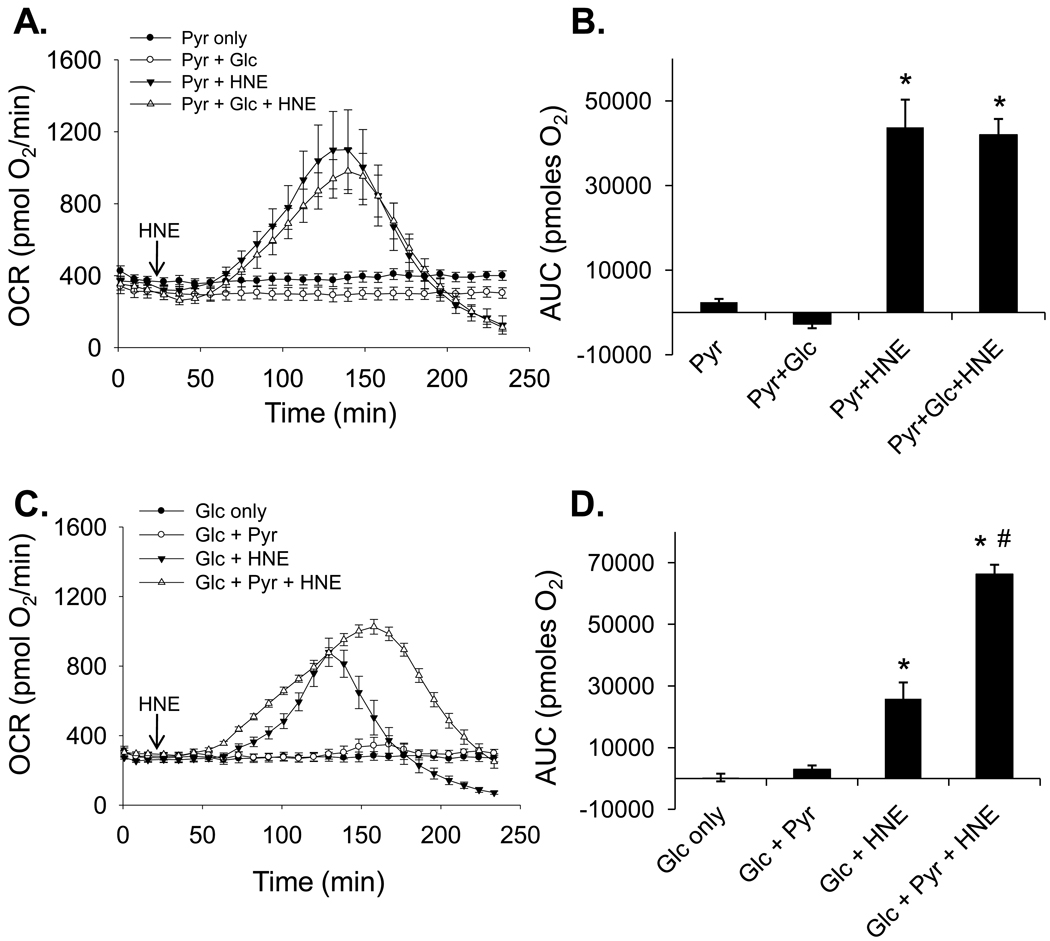
The ability of the cell to generate sufficient energy through oxidative phosphorylation and to maintain healthy pools of mitochondria are critical for survival and maintenance of normal biological function, especially during periods of increased oxidative stress. Mitochondria in most cardiovascular cells function at a basal level that only draws upon a small fraction of the total bioenergetic capability of the organelle; the apparent respiratory state of mitochondria in these cells is often close to state 4. The difference between the basal and maximal activity, equivalent to state 3, of the respiratory chain is called the reserve capacity. We hypothesize that the reserve capacity serves the increased energy demands for maintenance of organ function and cellular repair. However, the factors that determine the volume of the reserve capacity and its relevance to biology are not well understood. In this study, we first examined whether responses to 4-hydroxynonenal (HNE), a lipid peroxidation product found in atherosclerotic lesions and the diseased heart, differ between vascular smooth muscle cells, adult mouse cardiomyocytes, and rat neonatal cardiomyocytes. In both types of cardiomyocytes, oxygen consumption increased after HNE treatment, while oxygen consumption in smooth muscle cells decreased. The increase in oxygen consumption in cardiomyocytes decreased the reserve capacity and shifted the apparent respiratory state closer to state 3. Neonatal rat cardiomyocytes respiring on pyruvate alone had a fourfold higher reserve capacity than cells with glucose as the sole substrate, and these cells were more resistant to mitochondrial dysfunction induced by 4-HNE. The integration of the concepts of reserve capacity and state-apparent are discussed along with the proposal of two potential models by which mitochondria respond to stress.
细胞通过氧化磷酸化产生足够能量的能力以及维持健康的线粒体池对于生存和维持正常的生物学功能至关重要,尤其是在氧化应激增加期间。大多数心血管细胞中的线粒体在基础水平下工作,仅消耗细胞器总生物能量能力的一小部分;这些细胞中线粒体的表观呼吸状态通常接近状态 4。呼吸链的基础状态和最大活性(相当于状态 3)之间的差异称为储备能力。我们假设储备能力满足维持器官功能和细胞修复的增加能量需求。然而,决定储备能力量及其与生物学相关性的因素尚未得到很好的理解。在这项研究中,我们首先研究了 4-羟基壬烯醛(HNE)(在动脉粥样硬化病变和患病心脏中发现的脂质过氧化产物)的反应是否在血管平滑肌细胞、成年小鼠心肌细胞和大鼠新生心肌细胞之间存在差异。在这两种类型的心肌细胞中,HNE 处理后耗氧量增加,而平滑肌细胞中的耗氧量减少。心肌细胞中耗氧量的增加降低了储备能力,并使表观呼吸状态更接近状态 3。仅以丙酮酸为底物呼吸的新生大鼠心肌细胞的储备能力比仅以葡萄糖为底物的细胞高四倍,并且这些细胞对由 4-HNE 引起的线粒体功能障碍更具抵抗力。储备能力和状态表观的概念的整合,以及线粒体对应激的两种潜在模型的提出进行了讨论。