School of Engineering, The University of Edinburgh, Edinburgh EH9 3JL, UK.
Sensors (Basel). 2010;10(3):1871-89. doi: 10.3390/s100301871.
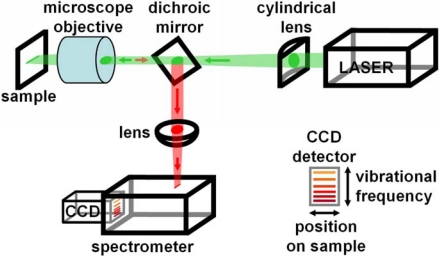
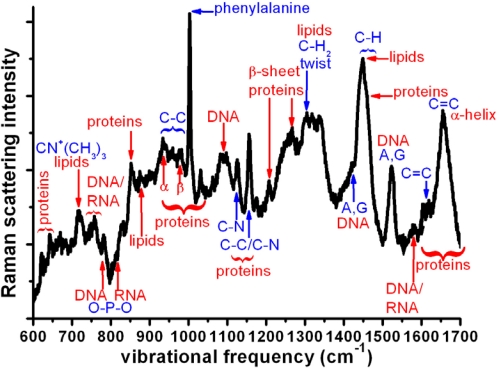
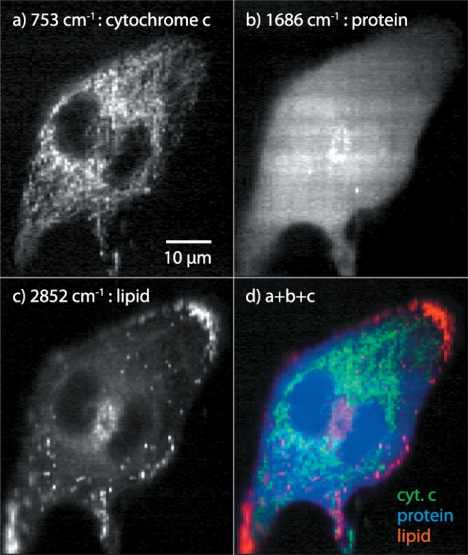
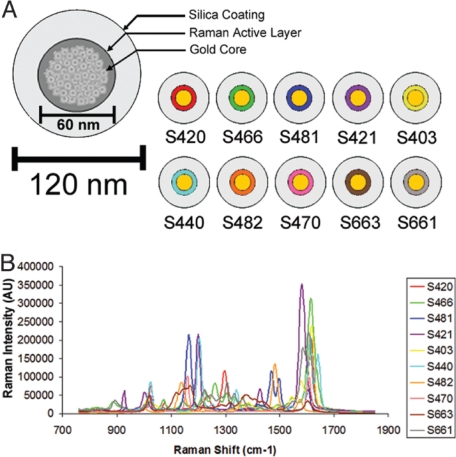
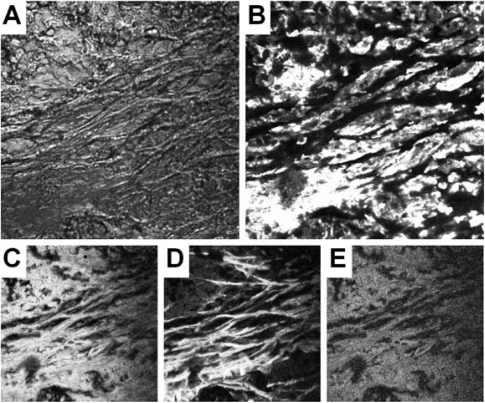
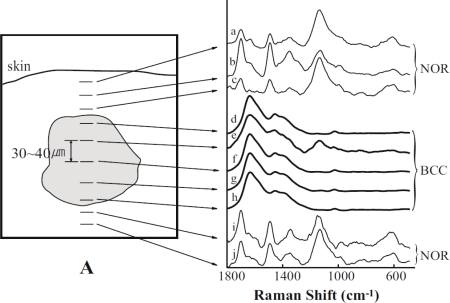
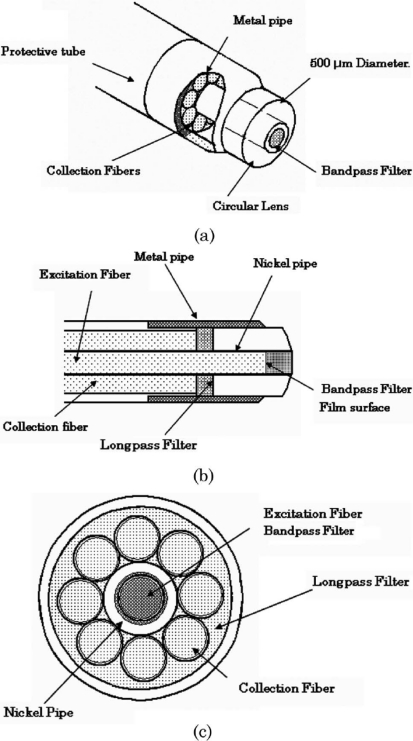
In this review we describe label-free optical spectroscopy techniques which are able to non-invasively measure the (bio)chemistry in biological systems. Raman spectroscopy uses visible or near-infrared light to measure a spectrum of vibrational bonds in seconds. Coherent anti-Stokes Raman (CARS) microscopy and stimulated Raman loss (SRL) microscopy are orders of magnitude more efficient than Raman spectroscopy, and are able to acquire high quality chemically-specific images in seconds. We discuss the benefits and limitations of all techniques, with particular emphasis on applications in biomedicine--both in vivo (using fiber endoscopes) and in vitro (in optical microscopes).
在这篇综述中,我们描述了非标记的光学光谱技术,这些技术能够非侵入式地测量生物系统中的(生物)化学物质。拉曼光谱利用可见光或近红外光在几秒钟内测量振动键的光谱。相干反斯托克斯拉曼(CARS)显微镜和受激拉曼损耗(SRL)显微镜比拉曼光谱的效率高出几个数量级,能够在几秒钟内获得高质量的化学特异性图像。我们讨论了所有技术的优点和局限性,特别强调了它们在生物医学中的应用——包括体内(使用纤维内窥镜)和体外(在光学显微镜中)。