Downes Andrew, Mouras Rabah, Elfick Alistair
School of Engineering, The University of Edinburgh, Edinburgh EH9 3JL, UK.
J Biomed Biotechnol. 2010;2010:101864. doi: 10.1155/2010/101864. Epub 2010 Feb 16.
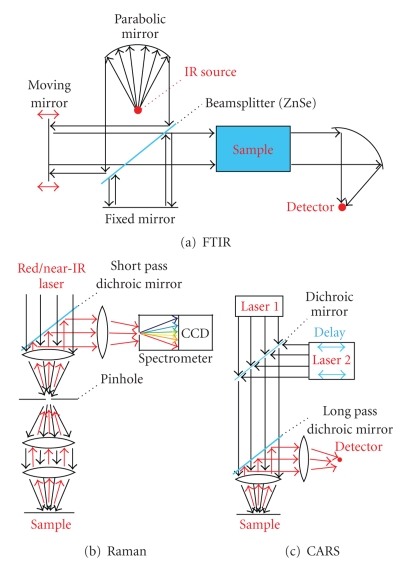
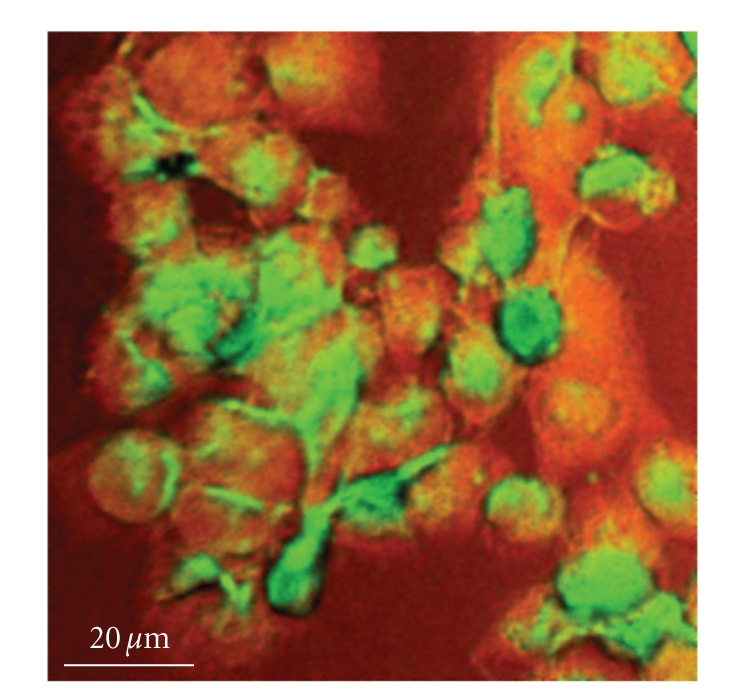
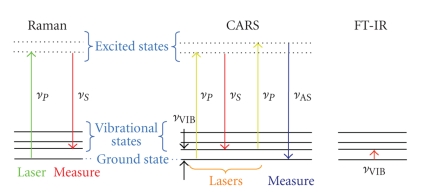
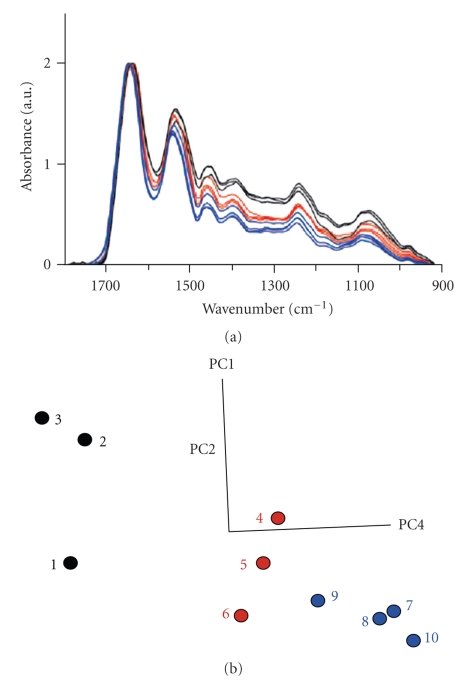
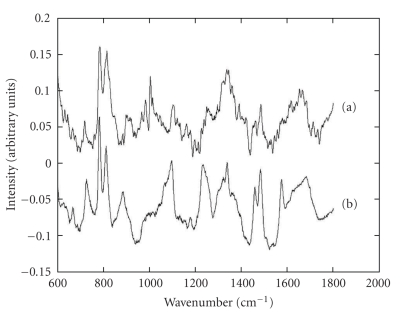
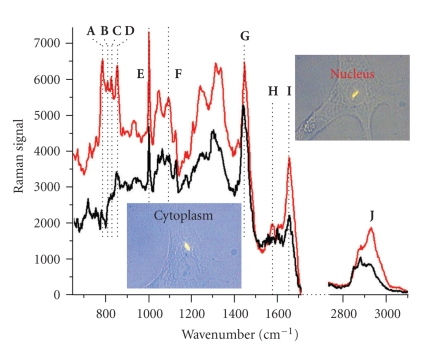
There is a requirement for a noninvasive technique to monitor stem cell differentiation. Several candidates based on optical spectroscopy are discussed in this review: Fourier transform infrared (FTIR) spectroscopy, Raman spectroscopy, and coherent anti-Stokes Raman scattering (CARS) microscopy. These techniques are briefly described, and the ability of each to distinguish undifferentiated from differentiated cells is discussed. FTIR spectroscopy has demonstrated its ability to distinguish between stem cells and their derivatives. Raman spectroscopy shows a clear reduction in DNA and RNA concentrations during embryonic stem cell differentiation (agreeing with the well-known reduction in the nucleus to cytoplasm ratio) and also shows clear increases in mineral content during differentiation of mesenchymal stem cells. CARS microscopy can map these DNA, RNA, and mineral concentrations at high speed, and Mutliplex CARS spectroscopy/microscopy is highlighted as the technique with most promise for future applications.
需要一种非侵入性技术来监测干细胞分化。本综述讨论了几种基于光谱学的候选技术:傅里叶变换红外(FTIR)光谱、拉曼光谱和相干反斯托克斯拉曼散射(CARS)显微镜。简要描述了这些技术,并讨论了每种技术区分未分化细胞和分化细胞的能力。FTIR光谱已证明其能够区分干细胞及其衍生物。拉曼光谱显示在胚胎干细胞分化过程中DNA和RNA浓度明显降低(与众所周知的细胞核与细胞质比例降低一致),并且在间充质干细胞分化过程中矿物质含量也明显增加。CARS显微镜可以高速绘制这些DNA、RNA和矿物质浓度图,而多重CARS光谱/显微镜被强调为最有前途的未来应用技术。