Comparative and Experimental Medicine, College of Veterinary Medicine, University of Tennessee, Knoxville, TN 37996, USA.
J Immunol. 2011 Feb 1;186(3):1735-46. doi: 10.4049/jimmunol.1003456. Epub 2010 Dec 27.
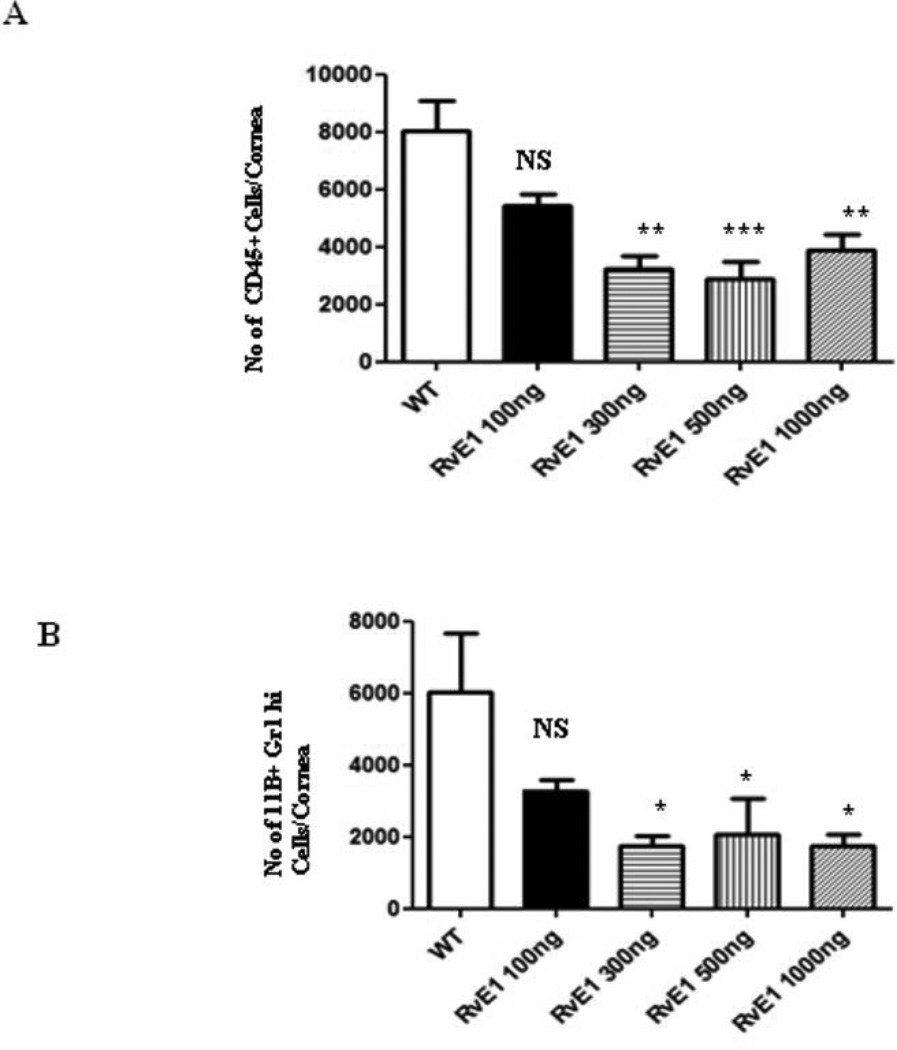
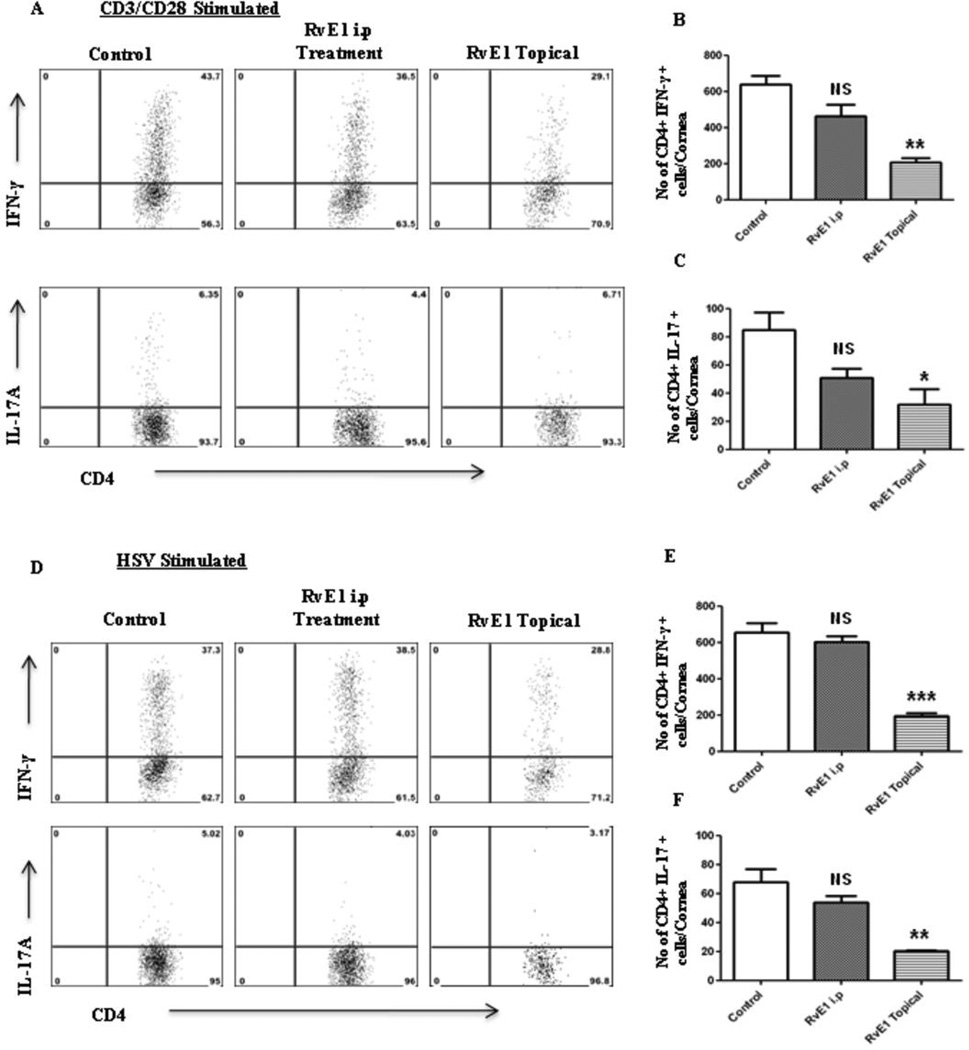
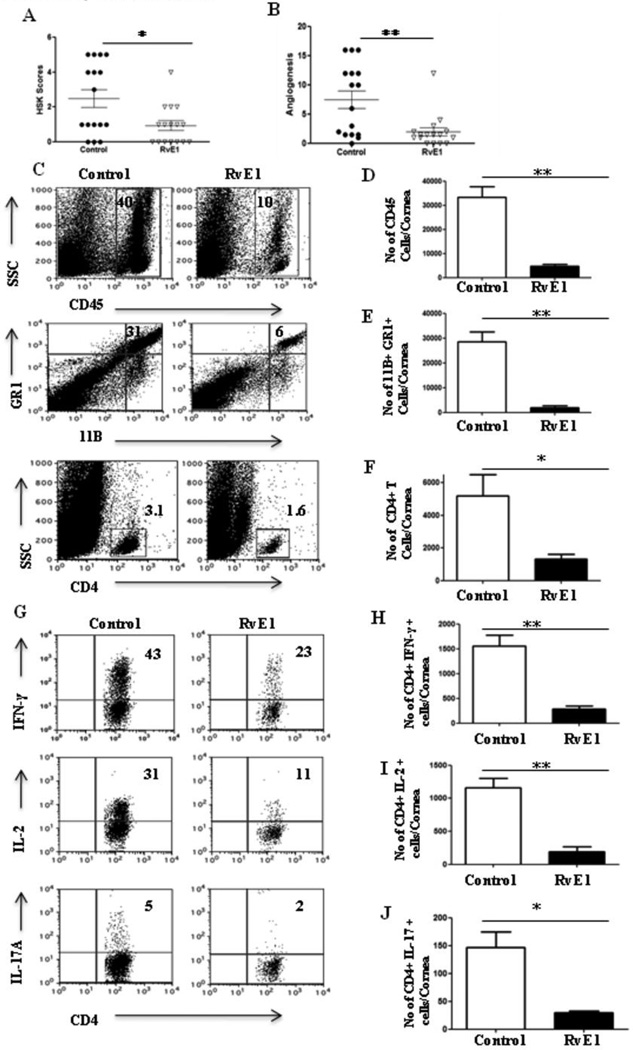
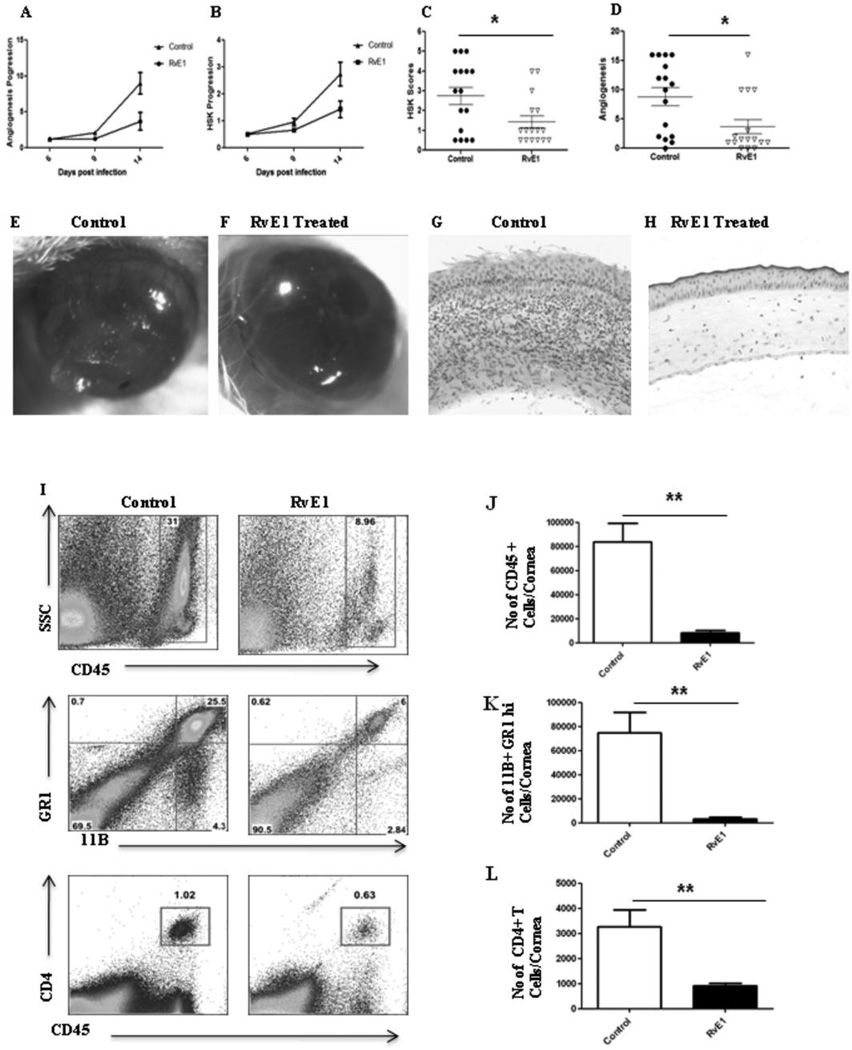
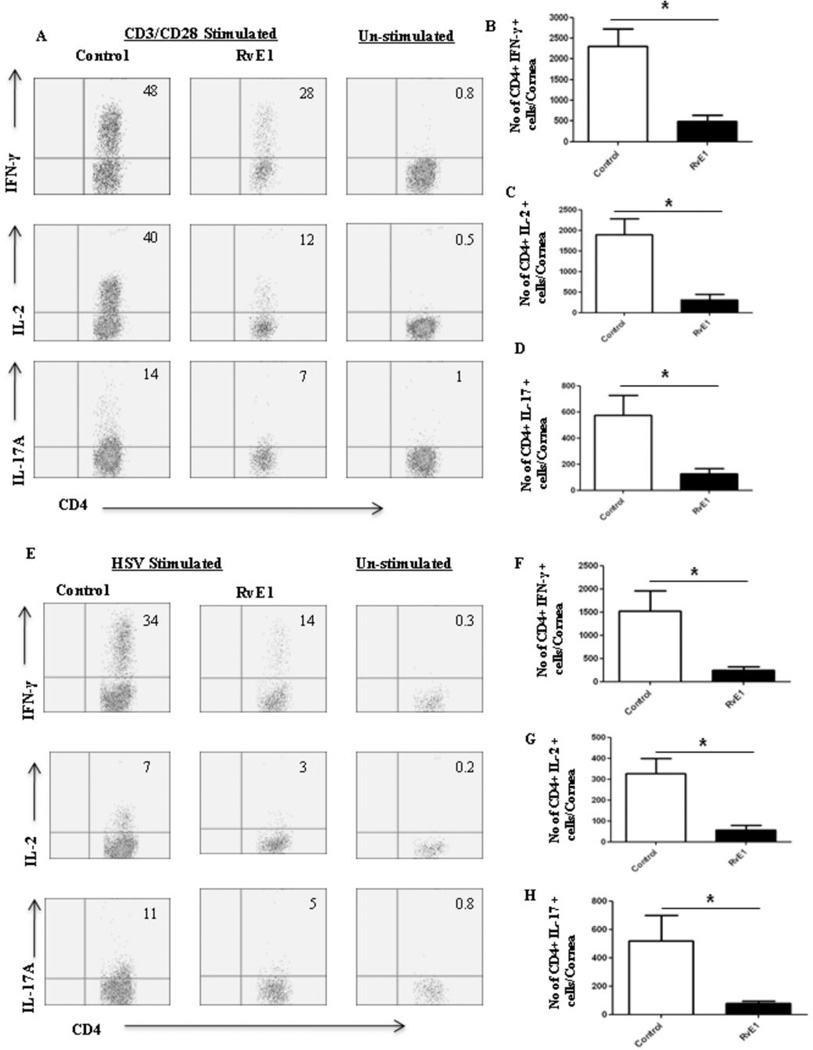
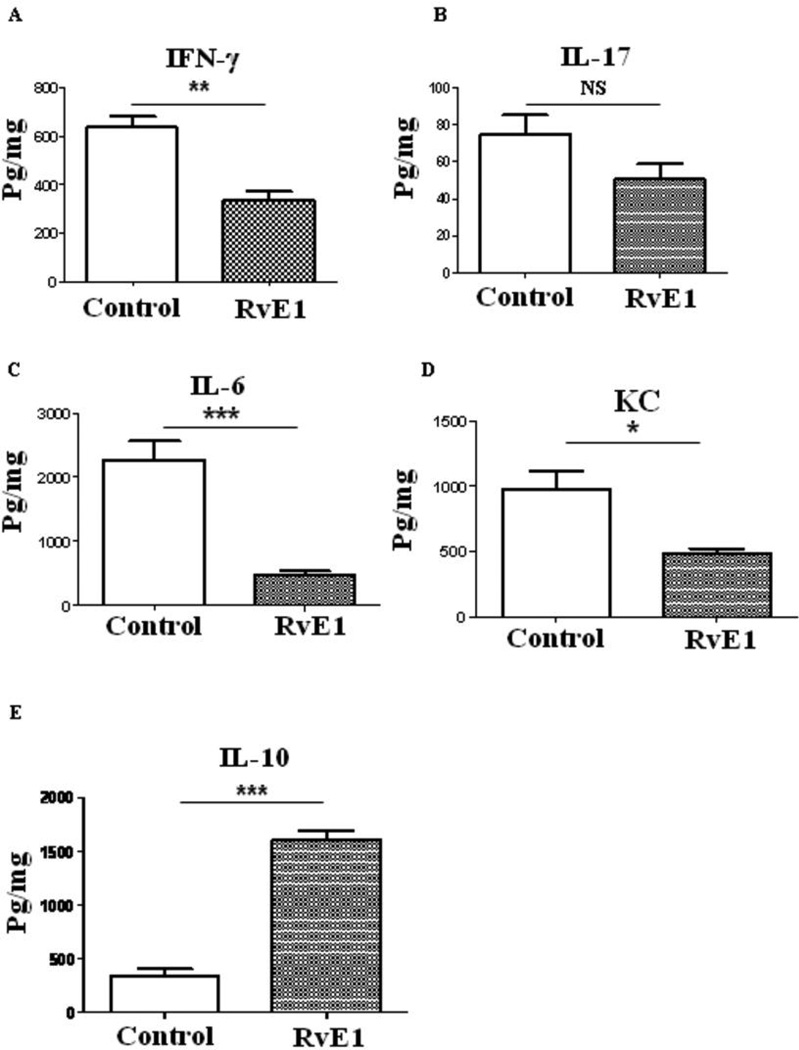
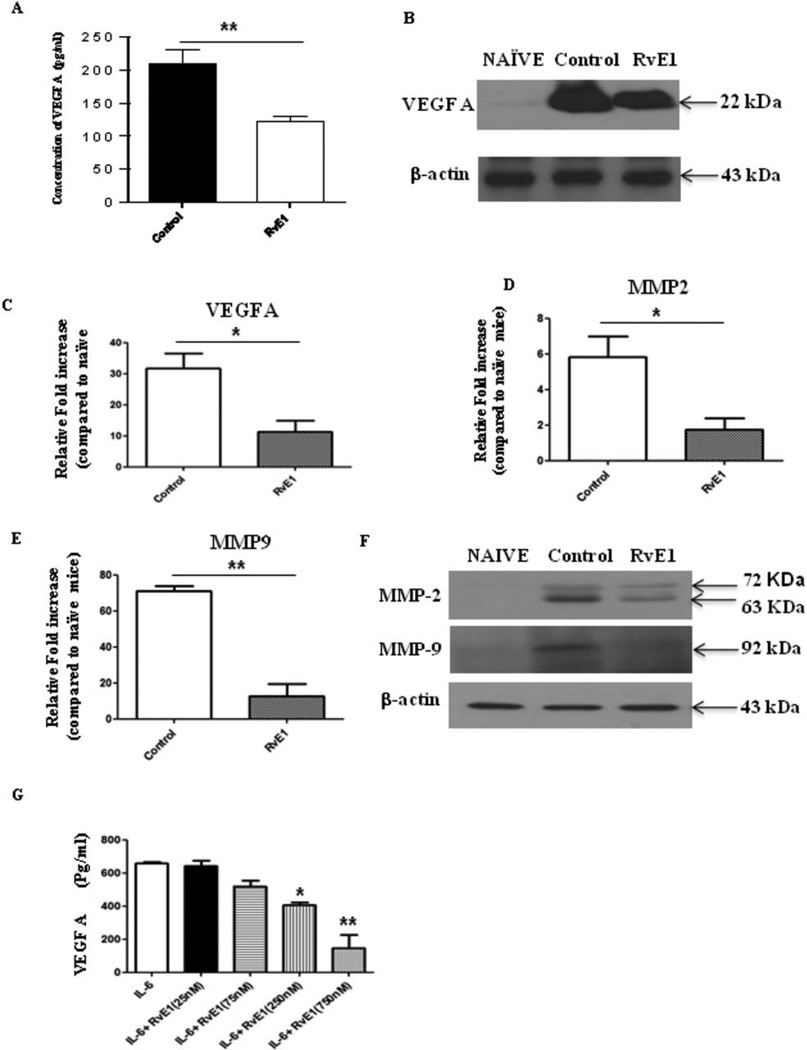
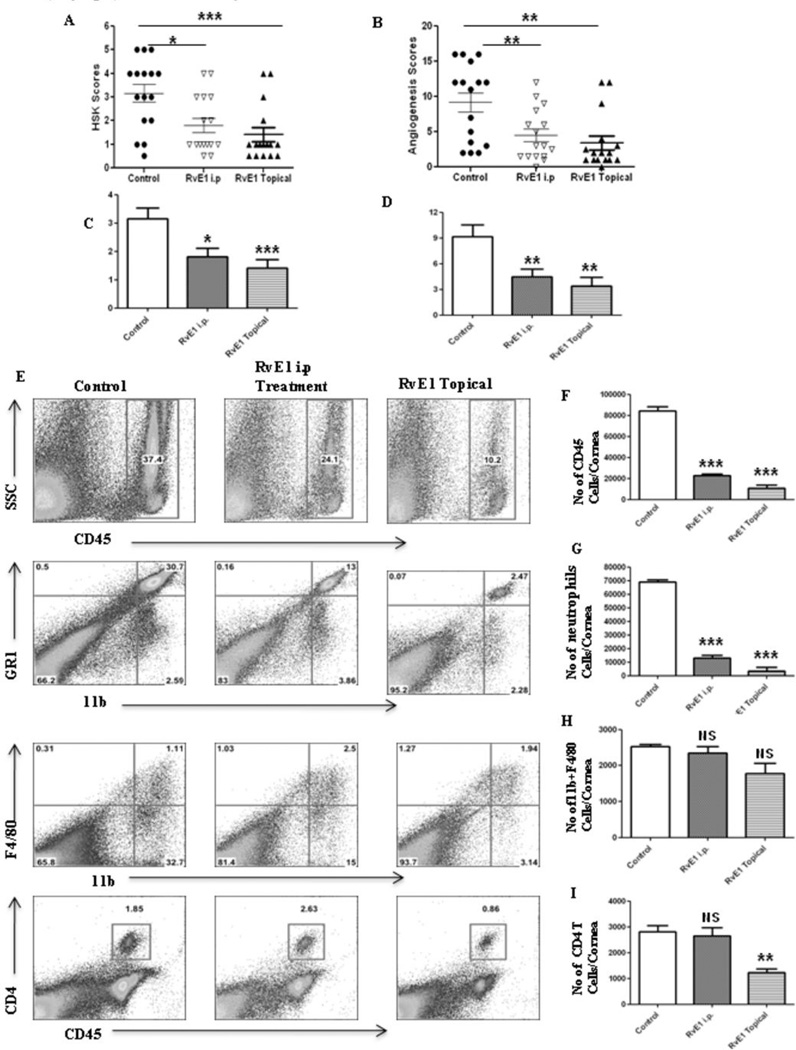
Stromal keratitis (SK) is a chronic immunopathological lesion of the eye caused by HSV-1 infection and a common cause of blindness in humans. The inflammatory lesions are primarily perpetuated by neutrophils with the active participation of CD4(+) T cells. Therefore, targeting these immune cell types represents a potentially valuable form of therapy to reduce the severity of disease. Resolvin E1 (RvE1), an endogenous lipid mediator, was shown to promote resolution in several inflammatory disease models. In the current report, we determined whether RvE1 administration begun at different times after ocular infection of mice with HSV could influence the severity of SK lesions. Treatment with RvE1 significantly reduced the extent of angiogenesis and SK lesions that occurred. RvE1-treated mice had fewer numbers of inflammatory cells that included Th1 and Th17 cells as well as neutrophils in the cornea. The mechanisms by which RvE1 acts appear to be multiple. These included reducing the influx of neutrophils and pathogenic CD4(+) T cells, increasing production of the anti-inflammatory cytokine IL-10, and inhibitory effects on the production of proinflammatory mediators and molecules, such as IL-6, IFN-γ, IL-17, KC, VEGF-A, MMP-2, and MMP-9, that are involved in corneal neovascularization and SK pathogenesis. These findings are, to our knowledge, the first to show that RvE1 treatment could represent a novel approach to control lesion severity in a virally induced immunopathological disease.
基质角膜炎(SK)是由单纯疱疹病毒 1 感染引起的慢性免疫病理病变,是人类失明的常见原因。炎症病变主要由中性粒细胞持续存在,CD4+T 细胞的积极参与。因此,针对这些免疫细胞类型代表了一种潜在有价值的治疗形式,可以减轻疾病的严重程度。内源性脂质介质 RvE1 已被证明在几种炎症性疾病模型中促进疾病消退。在本报告中,我们确定了在 HSV 感染小鼠眼部后不同时间开始给予 RvE1 是否会影响 SK 病变的严重程度。RvE1 治疗显著减轻了发生的血管生成和 SK 病变的程度。RvE1 治疗的小鼠角膜中炎症细胞(包括 Th1 和 Th17 细胞以及中性粒细胞)数量减少。RvE1 作用的机制似乎是多方面的。这些机制包括减少中性粒细胞和致病性 CD4+T 细胞的流入,增加抗炎细胞因子 IL-10 的产生,以及抑制参与角膜新生血管形成和 SK 发病机制的促炎介质和分子(如 IL-6、IFN-γ、IL-17、KC、VEGF-A、MMP-2 和 MMP-9)的产生。就我们所知,这些发现是首次表明 RvE1 治疗可能代表一种控制病毒诱导免疫病理疾病病变严重程度的新方法。