Pediatric Pain Program, Department of Pediatrics, David Geffen School of Medicine, University of California, Los Angeles, USA.
Trials. 2011 Jan 18;12:15. doi: 10.1186/1745-6215-12-15.
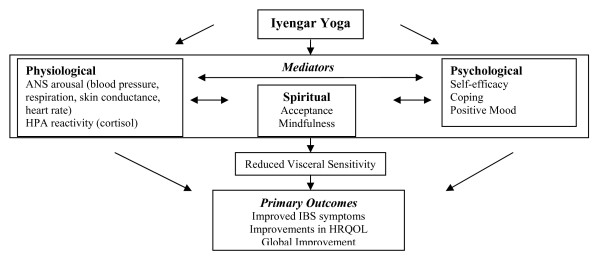
Irritable bowel syndrome affects as many as 14% of high school-aged students. Symptoms include discomfort in the abdomen, along with diarrhea and/or constipation and other gastroenterological symptoms that can significantly impact quality of life and daily functioning. Emotional stress appears to exacerbate irritable bowel syndrome symptoms suggesting that mind-body interventions reducing arousal may prove beneficial. For many sufferers, symptoms can be traced to childhood and adolescence, making the early manifestation of irritable bowel syndrome important to understand. The current study will focus on young people aged 14-26 years with irritable bowel syndrome. The study will test the potential benefits of Iyengar yoga on clinical symptoms, psychospiritual functioning and visceral sensitivity. Yoga is thought to bring physical, psychological and spiritual benefits to practitioners and has been associated with reduced stress and pain. Through its focus on restoration and use of props, Iyengar yoga is especially designed to decrease arousal and promote psychospiritual resources in physically compromised individuals. An extensive and standardized teacher-training program support Iyengar yoga's reliability and safety. It is hypothesized that yoga will be feasible with less than 20% attrition; and the yoga group will demonstrate significantly improved outcomes compared to controls, with physiological and psychospiritual mechanisms contributing to improvements.
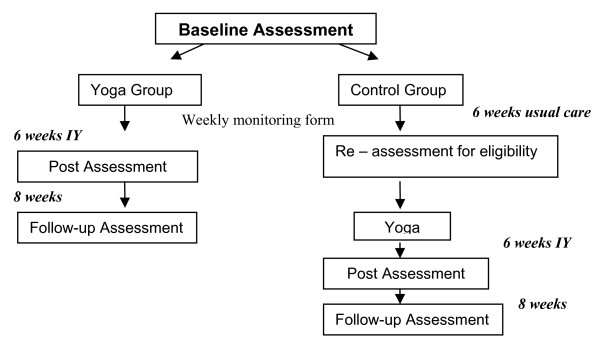
METHODS/DESIGN: Sixty irritable bowel syndrome patients aged 14-26 will be randomly assigned to a standardized 6-week twice weekly Iyengar yoga group-based program or a wait-list usual care control group. The groups will be compared on the primary clinical outcomes of irritable bowel syndrome symptoms, quality of life and global improvement at post-treatment and 2-month follow-up. Secondary outcomes will include visceral pain sensitivity assessed with a standardized laboratory task (water load task), functional disability and psychospiritual variables including catastrophizing, self-efficacy, mood, acceptance and mindfulness. Mechanisms of action involved in the proposed beneficial effects of yoga upon clinical outcomes will be explored, and include the mediating effects of visceral sensitivity, increased psychospiritual resources, regulated autonomic nervous system responses and regulated hormonal stress response assessed via salivary cortisol.
ClinicalTrials.gov NCT01107977.
肠易激综合征影响多达 14%的高中生。症状包括腹部不适,以及腹泻和/或便秘和其他胃肠道症状,这些症状会显著影响生活质量和日常功能。情绪压力似乎会加重肠易激综合征的症状,这表明减少觉醒的身心干预可能会有帮助。对于许多患者来说,症状可以追溯到儿童和青少年时期,因此了解肠易激综合征的早期表现很重要。本研究将关注年龄在 14-26 岁的肠易激综合征患者。该研究将测试 iyengar 瑜伽对临床症状、心理精神功能和内脏敏感性的潜在益处。瑜伽被认为能给练习者带来身体、心理和精神上的益处,并与降低压力和疼痛有关。通过其对恢复和使用道具的关注,iyengar 瑜伽特别设计用于降低觉醒并促进身体不适的个体的心理精神资源。广泛而标准化的教师培训计划支持 iyengar 瑜伽的可靠性和安全性。假设瑜伽的参与率将低于 20%;与对照组相比,瑜伽组将表现出显著改善的结果,生理和心理精神机制有助于改善。
方法/设计:60 名年龄在 14-26 岁的肠易激综合征患者将被随机分配到标准化的每周两次 6 周 iyengar 瑜伽组或等待名单常规护理对照组。将比较两组患者在治疗后和 2 个月随访时的主要临床结局,包括肠易激综合征症状、生活质量和整体改善。次要结局将包括使用标准化实验室任务(水负荷任务)评估的内脏疼痛敏感性、功能障碍和心理精神变量,包括灾难化、自我效能、情绪、接受和正念。将探讨瑜伽对临床结局的有益作用所涉及的作用机制,包括内脏敏感性、增加心理精神资源、调节自主神经系统反应和调节应激反应的激素通过唾液皮质醇评估。
ClinicalTrials.gov NCT01107977。