Cell Signaling Technology, Danvers, Massachusetts, United States of America.
PLoS One. 2011 Jan 6;6(1):e15640. doi: 10.1371/journal.pone.0015640.
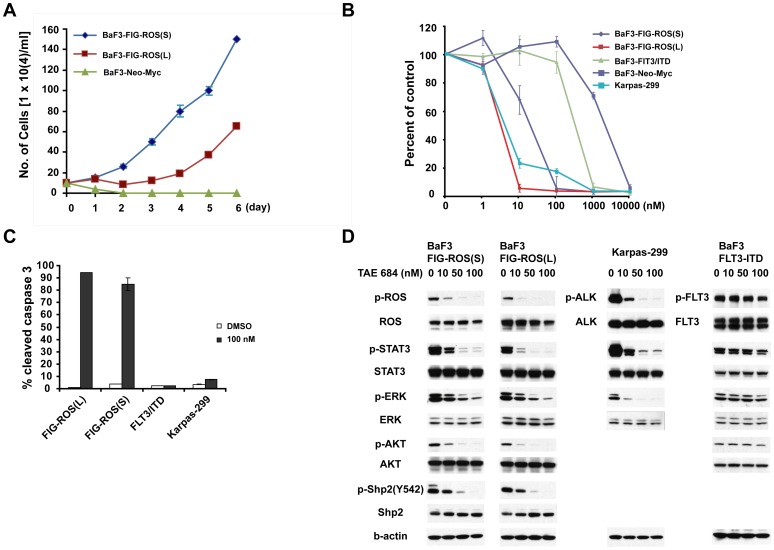
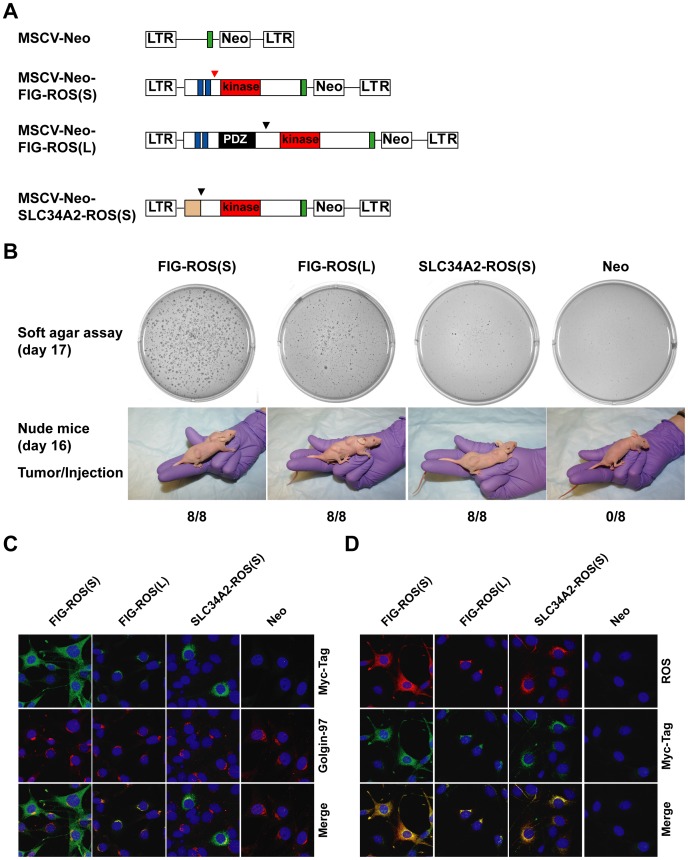
Cholangiocarcinoma, also known as bile duct cancer, is the second most common primary hepatic carcinoma with a median survival of less than 2 years. The molecular mechanisms underlying the development of this disease are not clear. To survey activated tyrosine kinases signaling in cholangiocarcinoma, we employed immunoaffinity profiling coupled to mass spectrometry and identified DDR1, EPHA2, EGFR, and ROS tyrosine kinases, along with over 1,000 tyrosine phosphorylation sites from about 750 different proteins in primary cholangiocarcinoma patients. Furthermore, we confirmed the presence of ROS kinase fusions in 8.7% (2 out of 23) of cholangiocarcinoma patients. Expression of the ROS fusions in 3T3 cells confers transforming ability both in vitro and in vivo, and is responsive to its kinase inhibitor. Our data demonstrate that ROS kinase is a promising candidate for a therapeutic target and for a diagnostic molecular marker in cholangiocarcinoma. The identification of ROS tyrosine kinase fusions in cholangiocarcinoma, along with the presence of other ROS kinase fusions in lung cancer and glioblastoma, suggests that a more broadly based screen for activated ROS kinase in cancer is warranted.
胆管癌,又称胆管癌,是第二常见的原发性肝癌,中位生存期不足 2 年。这种疾病发展的分子机制尚不清楚。为了调查胆管癌中激活的酪氨酸激酶信号,我们采用免疫亲和分析与质谱联用的方法,从原发性胆管癌患者中鉴定出 DDR1、EPHA2、EGFR 和 ROS 酪氨酸激酶,以及来自约 750 种不同蛋白质的 1000 多个酪氨酸磷酸化位点。此外,我们还在 8.7%(23 例中的 2 例)的胆管癌患者中证实了 ROS 激酶融合的存在。在 3T3 细胞中表达 ROS 融合在体外和体内均具有转化能力,并对其激酶抑制剂有反应。我们的数据表明,ROS 激酶是胆管癌治疗靶点和诊断分子标志物的有前途的候选物。在胆管癌中鉴定出 ROS 酪氨酸激酶融合,以及在肺癌和神经胶质瘤中存在其他 ROS 激酶融合,表明有必要对癌症中激活的 ROS 激酶进行更广泛的筛选。