Department of Biochemistry, University of Otago, PO Box 56, Dunedin 9054, New Zealand.
New Zealand Institute for Plant and Food Research Ltd, Lincoln, Private Bag 4704, Christchurch 8140, New Zealand.
Plant Methods. 2011 Feb 8;7(1):3. doi: 10.1186/1746-4811-7-3.
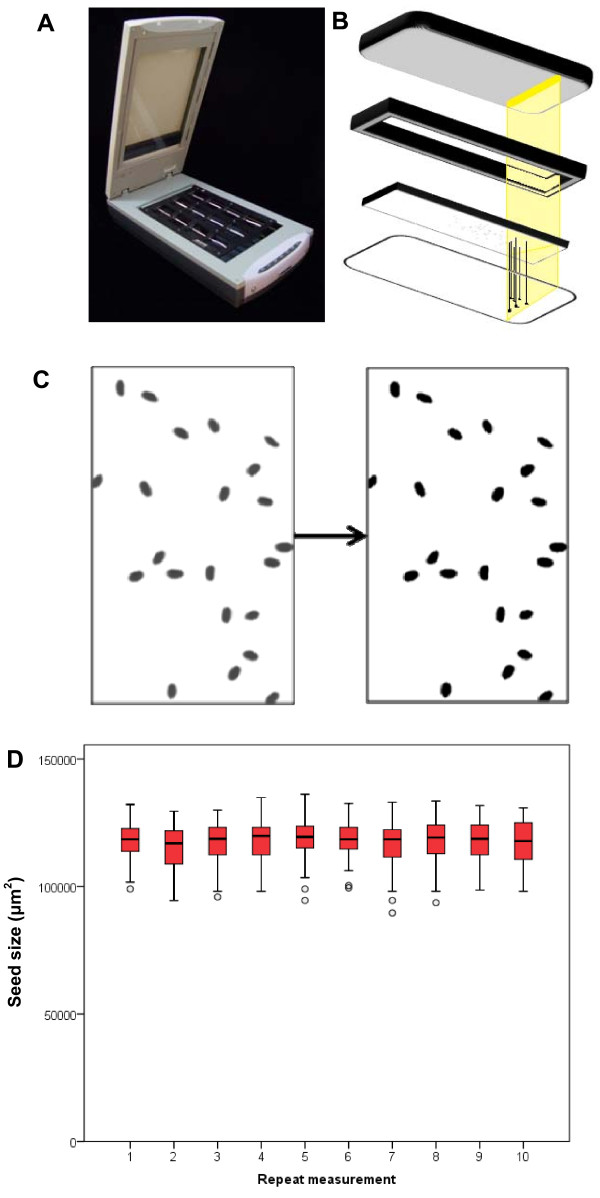
Arabidopsis thaliana is a useful model organism for deciphering the genetic determinants of seed size; however the small size of its seeds makes measurements difficult. Bulk seed weights are often used as an indicator of average seed size, but details of individual seed is obscured. Analysis of seed images is possible but issues arise from variations in seed pigmentation and shadowing making analysis laborious. We therefore investigated the use of a consumer level scanner to facilitate seed size measurements in conjunction with open source image-processing software.
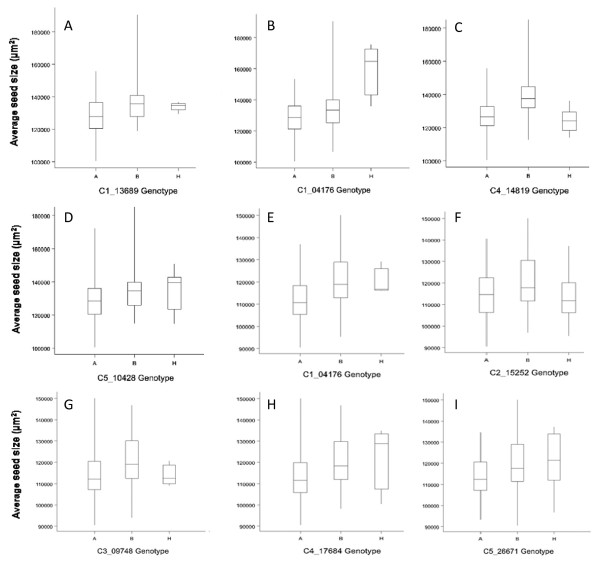
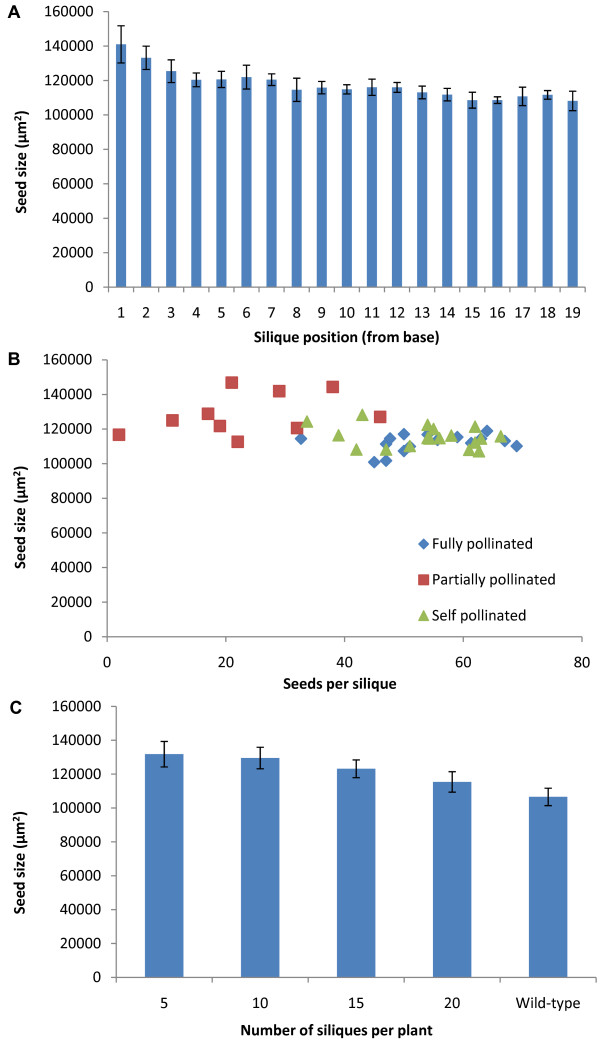
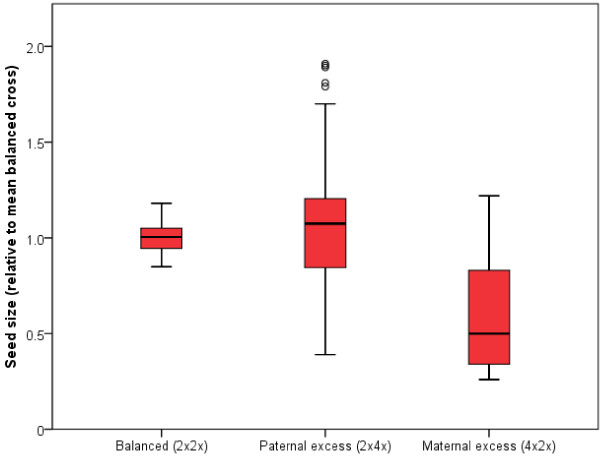
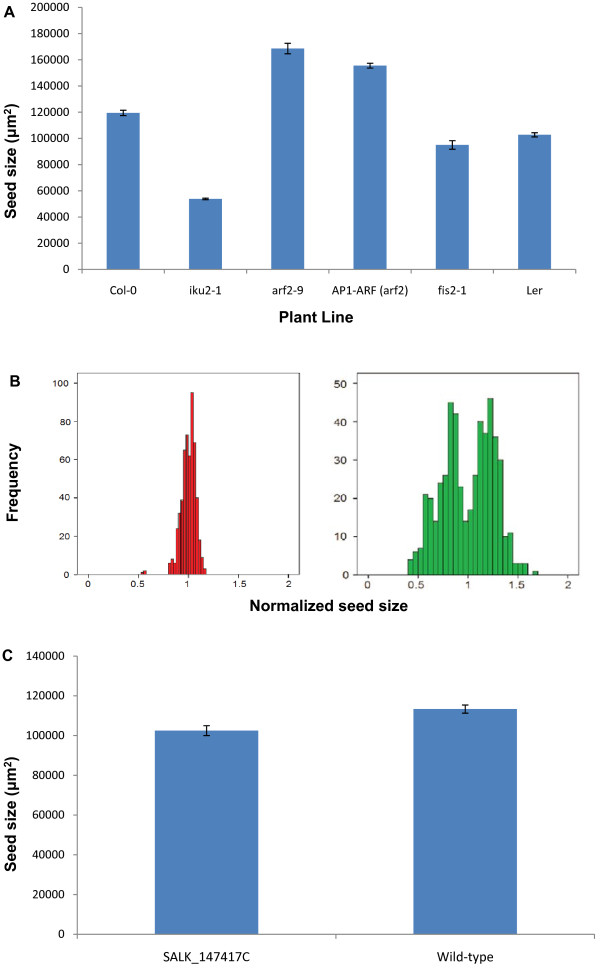
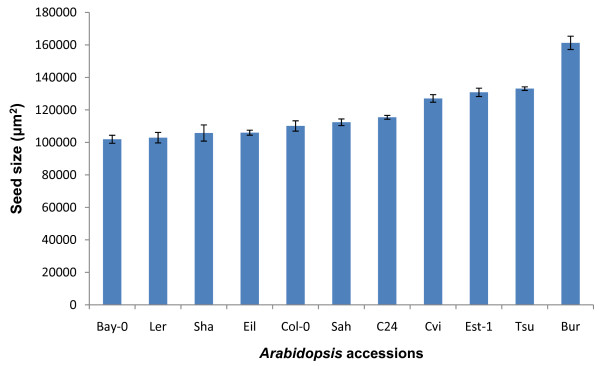
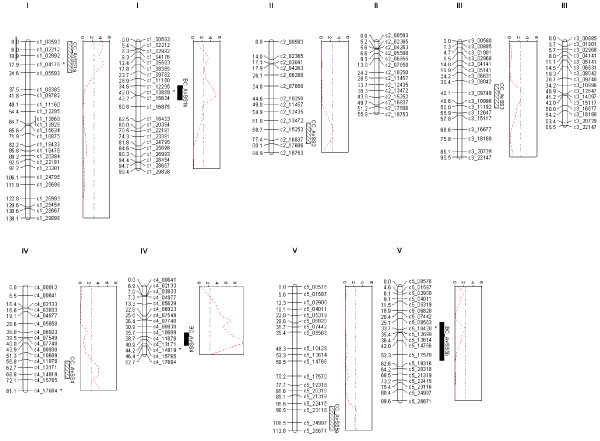
By using the transmitted light from the slide scanning function of a flatbed scanner and particle analysis of the resulting images, we have developed a method for the rapid and high throughput analysis of seed size and seed size distribution. The technical variation due to the approach was negligible enabling us to identify aspects of maternal plant growth that contribute to biological variation in seed size. By controlling for these factors, differences in seed size caused by altered parental genome dosage and mutation were easily detected. The method has high reproducibility and sensitivity, such that a mutant with a 10% reduction in seed size was identified in a screen of endosperm-expressed genes. Our study also generated average seed size data for 91 Arabidopsis accessions and identified a number of quantitative trait loci from two recombinant inbred line populations, generated from Cape Verde Islands and Burren accessions crossed with Columbia.
This study describes a sensitive, high-throughput approach for measuring seed size and seed size distribution. The method provides a low cost and robust solution that can be easily implemented into the workflow of studies relating to various aspects of seed development.
拟南芥是破译种子大小遗传决定因素的有用模式生物;然而,它的种子体积小,使得测量变得困难。通常使用批量种子重量作为平均种子大小的指标,但单个种子的细节被掩盖了。分析种子图像是可能的,但种子色素和阴影的变化导致分析繁琐。因此,我们研究了使用消费级扫描仪来促进种子大小测量,并结合开源图像处理软件。
通过使用平板扫描仪的幻灯片扫描功能的透射光和对生成的图像进行颗粒分析,我们开发了一种快速、高通量分析种子大小和种子大小分布的方法。由于该方法的技术变化可以忽略不计,我们能够确定母体植物生长的各个方面对种子大小的生物学变异有贡献。通过控制这些因素,可以很容易地检测出因改变亲本基因组剂量和突变而导致的种子大小差异。该方法具有高重现性和灵敏度,例如,在胚乳表达基因的筛选中,我们发现了一个种子大小减少 10%的突变体。我们的研究还为 91 个拟南芥品系生成了平均种子大小数据,并从两个来自佛得角群岛和 Burren 品系与哥伦比亚杂交的重组自交系群体中鉴定了一些数量性状位点。
本研究描述了一种敏感、高通量的测量种子大小和种子大小分布的方法。该方法提供了一种低成本、稳健的解决方案,可以很容易地集成到与种子发育各个方面相关的研究工作流程中。