Leeds Institute of Molecular Medicine, University of Leeds, Leeds, UK.
Mol Cancer. 2011 Feb 21;10:20. doi: 10.1186/1476-4598-10-20.
As well as inducing direct oncolysis, reovirus treatment of melanoma is associated with activation of innate and adaptive anti-tumour immune responses.
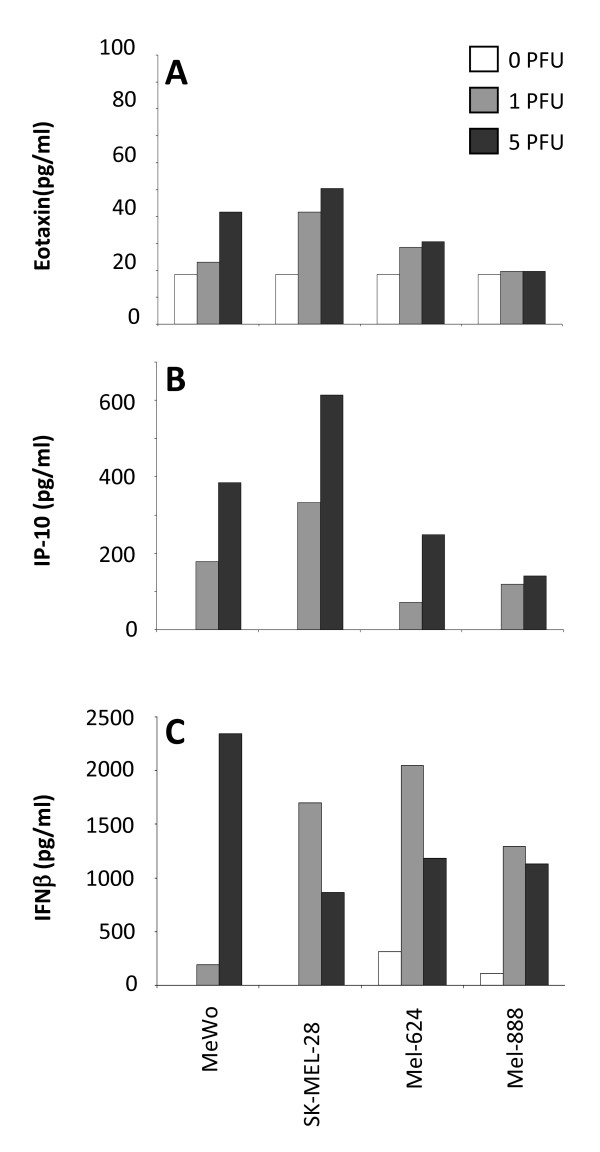
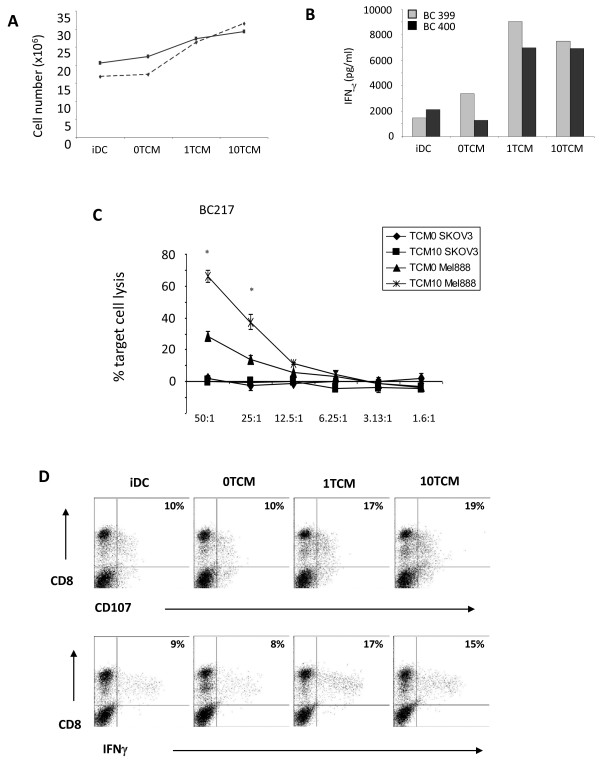
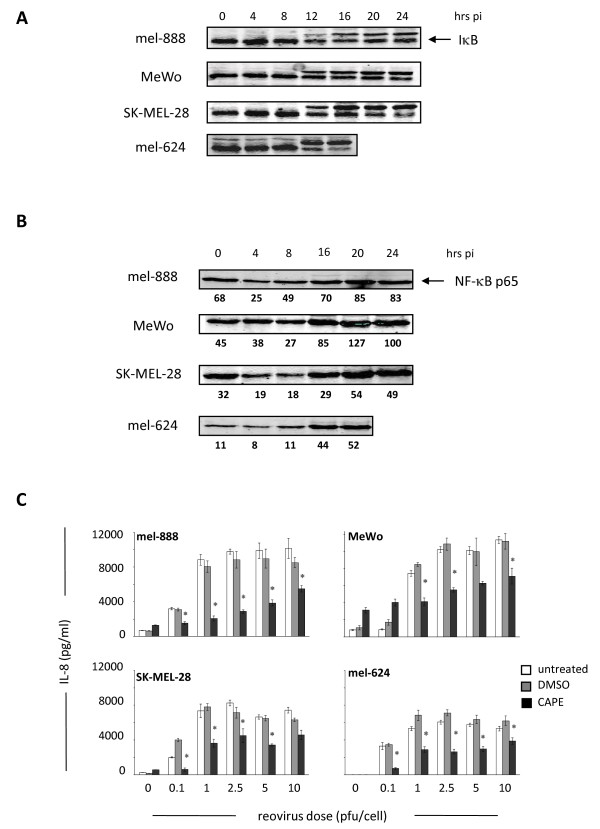
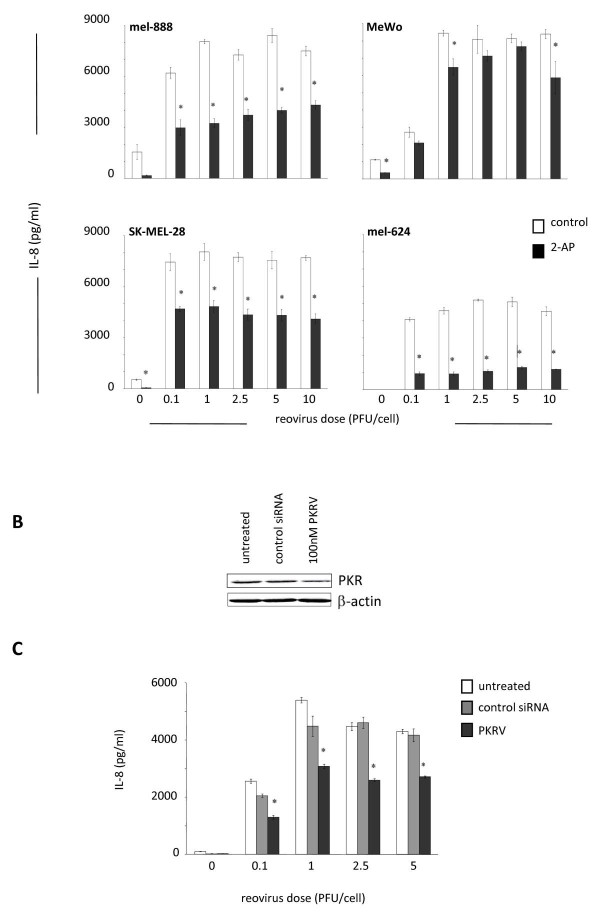
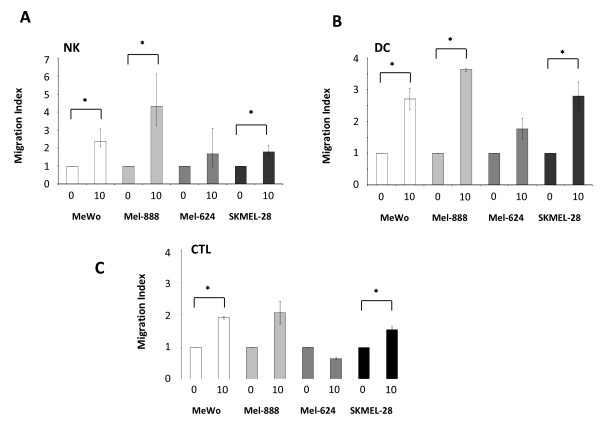
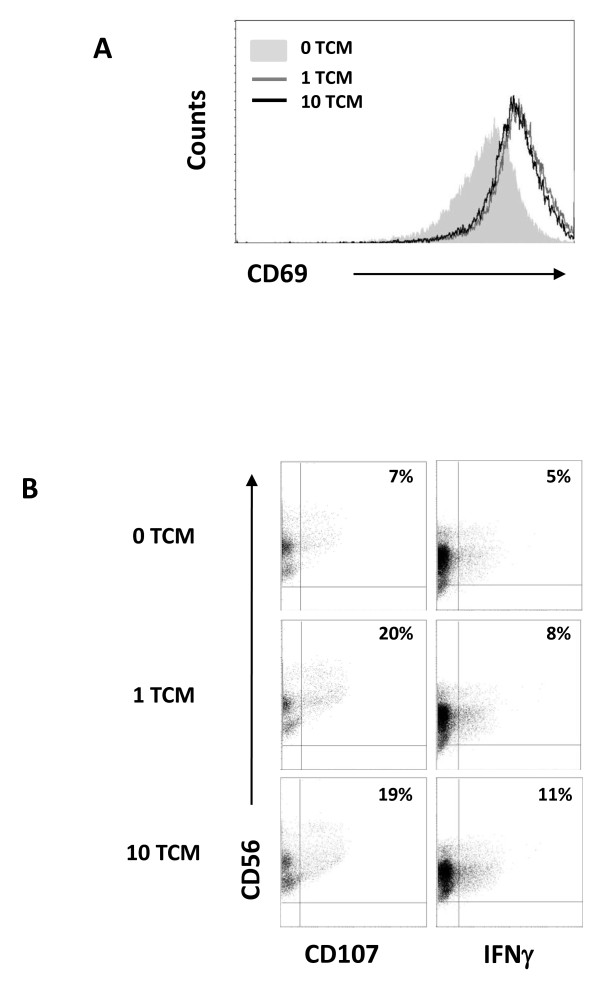
Here we characterise the effects of conditioned media from reovirus-infected, dying human melanoma cells (reoTCM), in the absence of live virus, to address the immune bystander potential of reovirus therapy. In addition to RANTES, IL-8, MIP-1α and MIP-1β, reovirus-infected melanoma cells secreted eotaxin, IP-10 and the type 1 interferon IFN-β. To address the mechanisms responsible for the inflammatory composition of reoTCM, we show that IL-8 and IFN-β secretion by reovirus-infected melanoma cells was associated with activation of NF-κB and decreased by pre-treatment with small molecule inhibitors of NF-κB and PKR; specific siRNA-mediated knockdown further confirmed a role for PKR. This pro-inflammatory milieu induced a chemotactic response in isolated natural killer (NK) cells, dendritic cells (DC) and anti-melanoma cytotoxic T cells (CTL). Following culture in reoTCM, NK cells upregulated CD69 expression and acquired greater lytic potential against tumour targets. Furthermore, melanoma cell-loaded DC cultured in reoTCM were more effective at priming adaptive anti-tumour immunity.
These data demonstrate that the PKR- and NF-κB-dependent induction of pro-inflammatory molecules that accompanies reovirus-mediated killing can recruit and activate innate and adaptive effector cells, thus potentially altering the tumour microenvironment to support bystander immune-mediated therapy as well as direct viral oncolysis.
除了诱导直接溶瘤作用外,呼肠孤病毒治疗黑色素瘤还与先天和适应性抗肿瘤免疫反应的激活有关。
在这里,我们在不存在活病毒的情况下,描述了感染呼肠孤病毒、死亡的人黑色素瘤细胞(reoTCM)产生的条件培养基的作用,以解决呼肠孤病毒治疗的免疫旁观者潜力。除了RANTES、IL-8、MIP-1α 和 MIP-1β 外,感染呼肠孤病毒的黑色素瘤细胞还分泌了嗜酸性粒细胞趋化因子、IP-10 和 I 型干扰素 IFN-β。为了解释 reoTCM 炎症成分的机制,我们表明,感染呼肠孤病毒的黑色素瘤细胞分泌的 IL-8 和 IFN-β 与 NF-κB 的激活有关,并且可以通过 NF-κB 和 PKR 的小分子抑制剂预处理来降低;特定的 siRNA 介导的敲低进一步证实了 PKR 的作用。这种促炎环境诱导分离的自然杀伤(NK)细胞、树突状细胞(DC)和抗黑色素瘤细胞毒性 T 细胞(CTL)产生趋化反应。在 reoTCM 中培养后,NK 细胞上调 CD69 的表达,并获得对肿瘤靶标的更大裂解潜力。此外,在 reoTCM 中培养的负载黑色素瘤细胞的 DC 更有效地引发适应性抗肿瘤免疫。
这些数据表明,伴随呼肠孤病毒介导的杀伤而发生的 PKR 和 NF-κB 依赖性诱导的促炎分子可以募集和激活先天和适应性效应细胞,从而潜在地改变肿瘤微环境,以支持旁观者免疫介导的治疗以及直接病毒溶瘤作用。