Department of Plant Pathology, Physiology, and Weed Science, Virginia Polytechnic Institute and State University, Blacksburg, Virginia, United States of America.
PLoS One. 2011 Mar 9;6(3):e17222. doi: 10.1371/journal.pone.0017222.
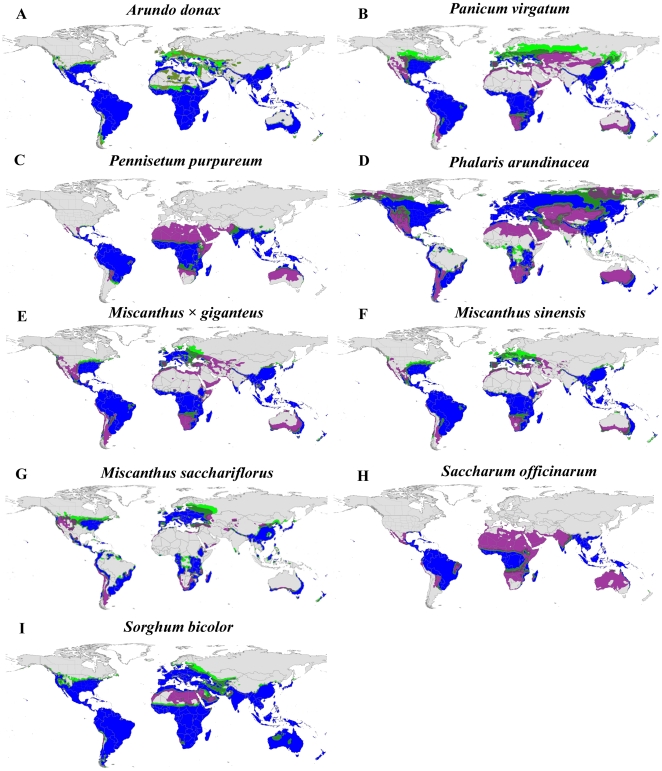
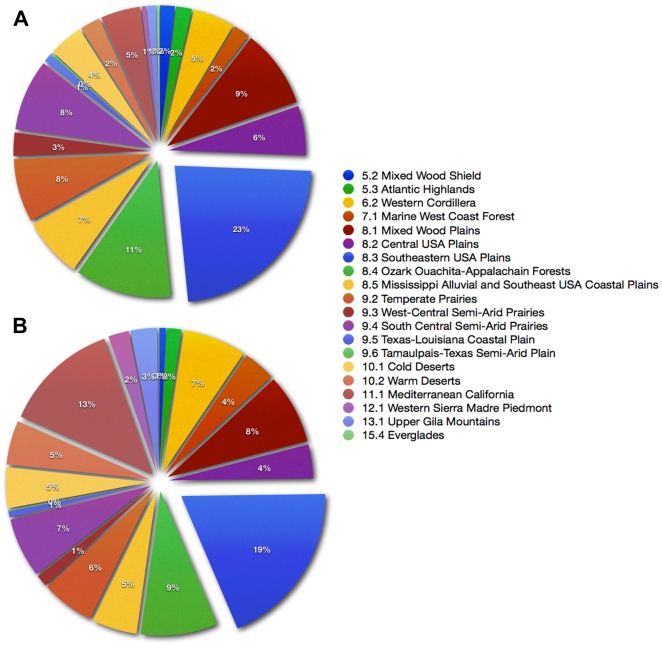
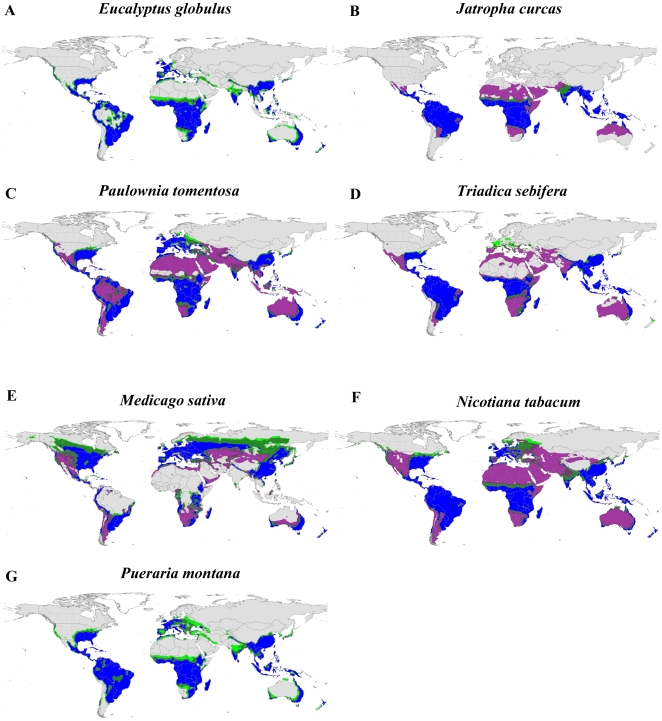
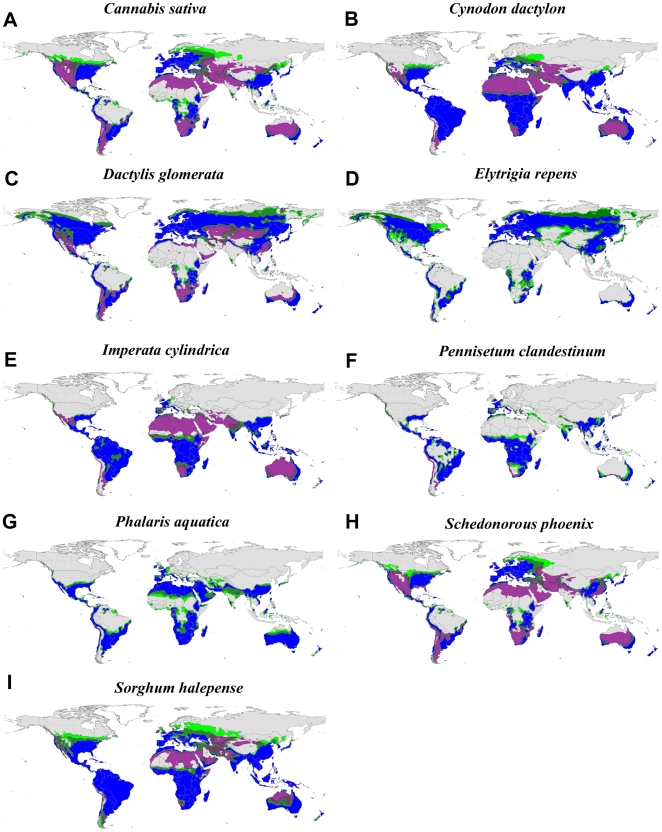
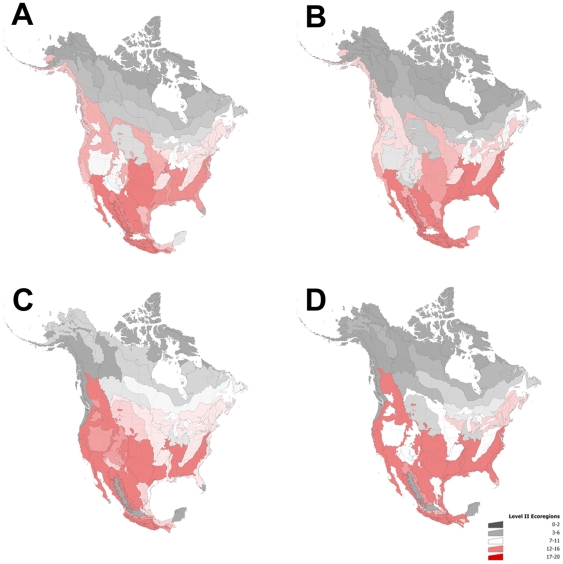
The global push towards a more biomass-based energy sector is ramping up efforts to adopt regionally appropriate high-yielding crops. As potential bioenergy crops are being moved around the world an assessment of the climatic suitability would be a prudent first step in identifying suitable areas of productivity and risk. Additionally, this assessment also provides a necessary step in evaluating the invasive potential of bioenergy crops, which present a possible negative externality to the bioeconomy. Therefore, we provide the first global climate niche assessment for the major graminaceous (9), herbaceous (3), and woody (4) bioenergy crops. Additionally, we contrast these with climate niche assessments for North American invasive species that were originally introduced for agronomic purposes as examples of well-intentioned introductions gone awry. With few exceptions (e.g., Saccharum officinarum, Pennisetum purpureum), the bioenergy crops exhibit broad climatic tolerance, which allows tremendous flexibility in choosing crops, especially in areas with high summer rainfall and long growing seasons (e.g., southeastern US, Amazon Basin, eastern Australia). Unsurprisingly, the invasive species of agronomic origin have very similar global climate niche profiles as the proposed bioenergy crops, also demonstrating broad climatic tolerance. The ecoregional evaluation of bioenergy crops and known invasive species demonstrates tremendous overlap at both high (EI≥30) and moderate (EI≥20) climate suitability. The southern and western US ecoregions support the greatest number of invasive species of agronomic origin, especially the Southeastern USA Plains, Mixed Woods Plains, and Mediterranean California. Many regions of the world have a suitable climate for several bioenergy crops allowing selection of agro-ecoregionally appropriate crops. This model knowingly ignores the complex biotic interactions and edaphic conditions, but provides a robust assessment of the climate niche, which is valuable for agronomists, crop developers, and regulators seeking to choose agro-ecoregionally appropriate crops while minimizing the risk of invasive species.
全球向更基于生物质的能源部门发展的趋势正在加大力度采用适合当地高产量的作物。随着潜在的生物能源作物在全球范围内的转移,对气候适宜性进行评估将是确定适宜生产力和风险区域的谨慎的第一步。此外,这种评估还提供了评估生物能源作物入侵潜力的必要步骤,因为生物能源作物可能对生物经济产生负面影响。因此,我们提供了主要禾本科(9 种)、草本(3 种)和木本(4 种)生物能源作物的第一个全球气候生态位评估。此外,我们将这些与最初为农业目的而引入的北美入侵物种的气候生态位评估进行了对比,这些入侵物种是好心办坏事的例子。除了少数例外(例如,甘蔗、象草),生物能源作物表现出广泛的气候耐受性,这使得在选择作物方面具有很大的灵活性,特别是在夏季降雨量大和生长季节长的地区(例如,美国东南部、亚马逊盆地、澳大利亚东部)。毫不奇怪,具有农业起源的入侵物种与拟议的生物能源作物具有非常相似的全球气候生态位特征,也表现出广泛的气候耐受性。生物能源作物和已知入侵物种的生态区评估表明,在高(EI≥30)和中(EI≥20)气候适宜性方面存在巨大重叠。美国南部和西部生态区支持最多的农业起源入侵物种,特别是美国东南部平原、混合林平原和地中海加利福尼亚。世界上许多地区都有适合几种生物能源作物的气候条件,这使得选择适合农业生态区的作物成为可能。该模型有意忽略了复杂的生物相互作用和土壤条件,但提供了对气候生态位的有力评估,这对于希望选择适合农业生态区的作物同时最小化入侵物种风险的农学家、作物开发者和监管机构来说是有价值的。