Key Laboratory of Advanced Control and Optimization for Chemical Processes, Ministry of Education, East China University of Science and Technology, Shanghai 200237, People's Republic of China.
J Neural Eng. 2011 Jun;8(3):036006. doi: 10.1088/1741-2560/8/3/036006. Epub 2011 Apr 8.
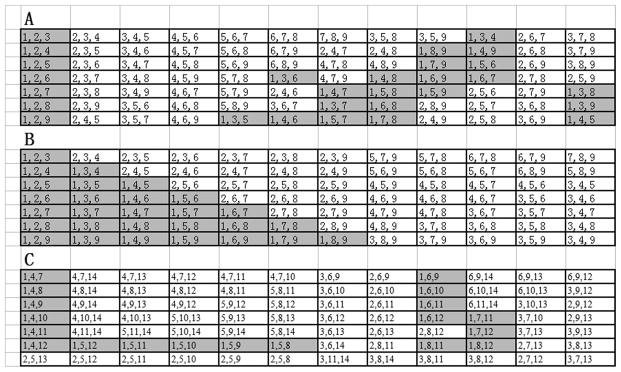
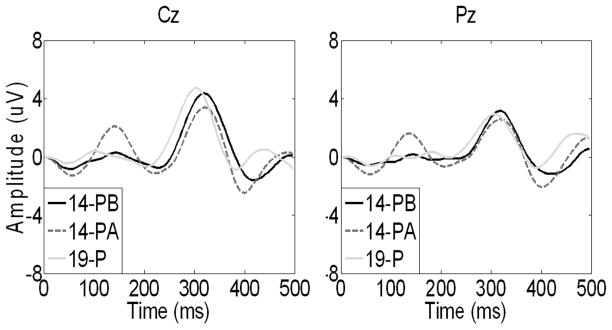
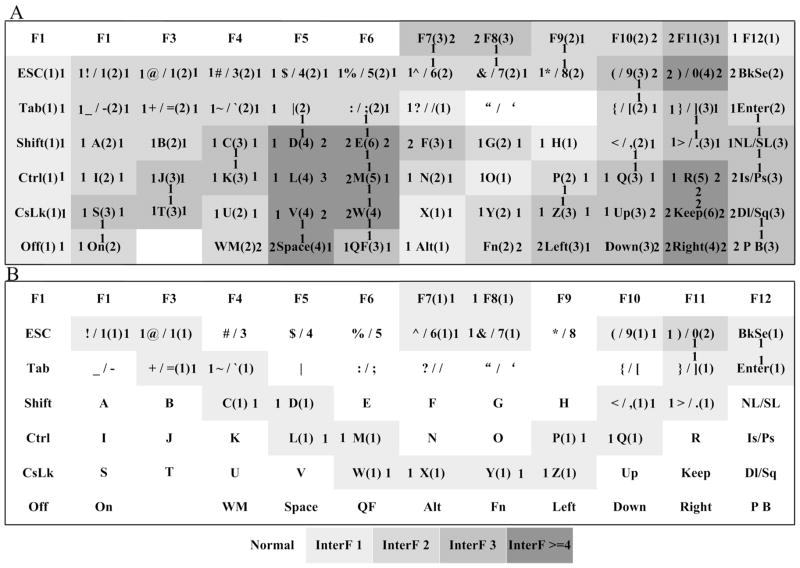
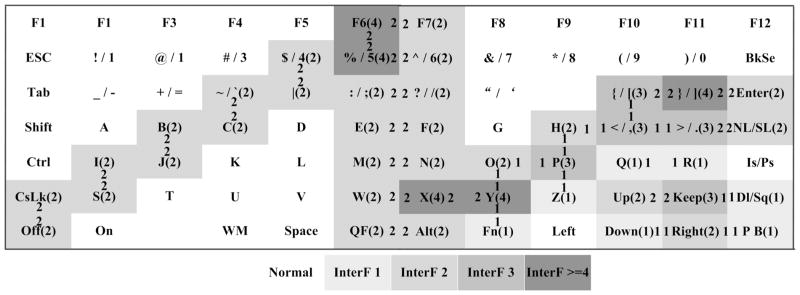
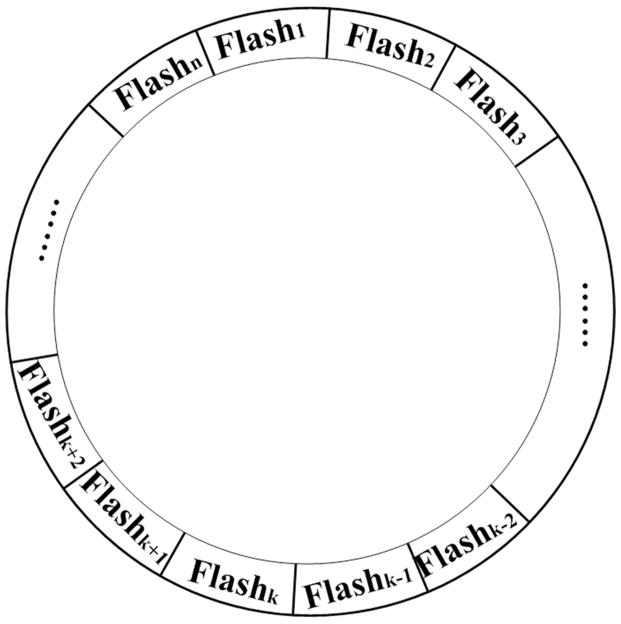
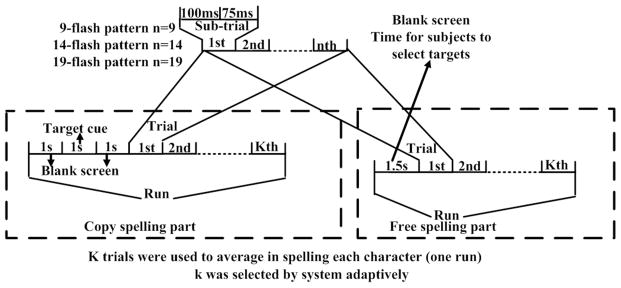
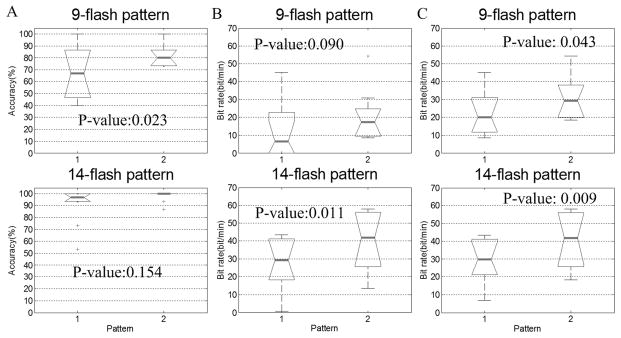
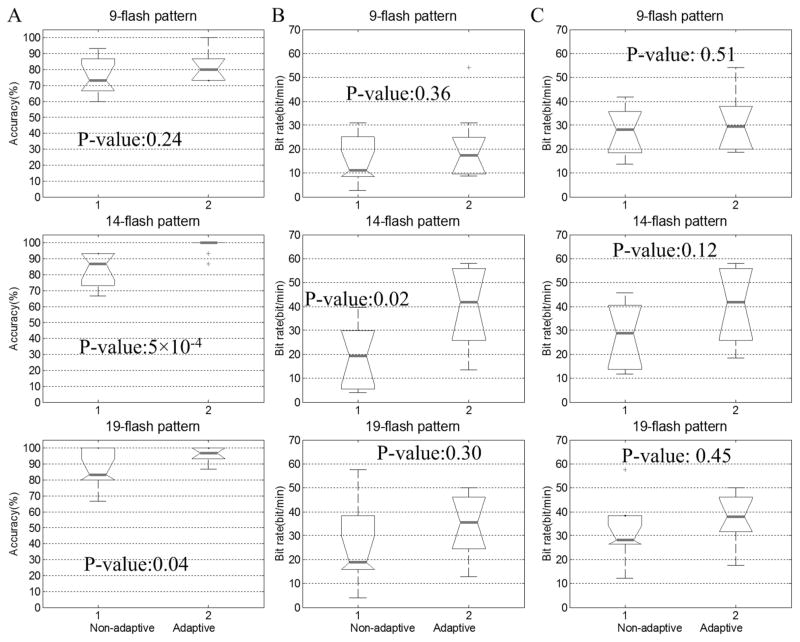
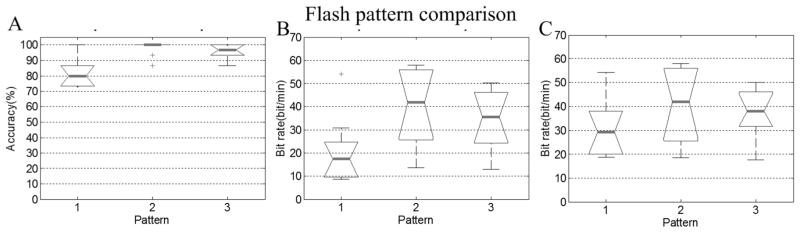
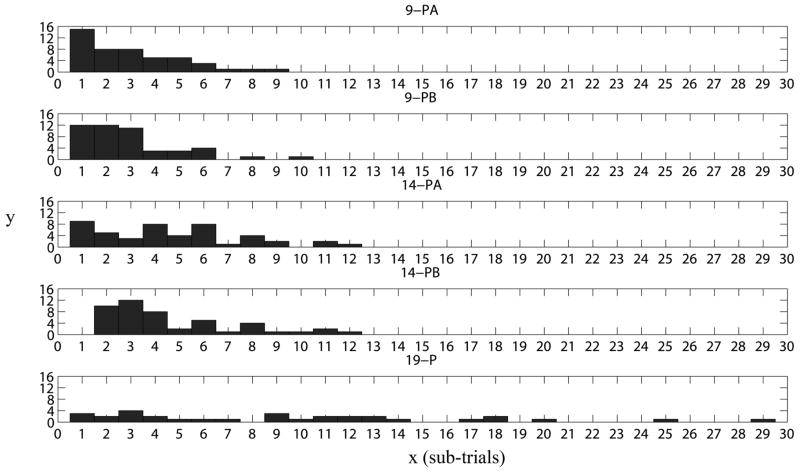
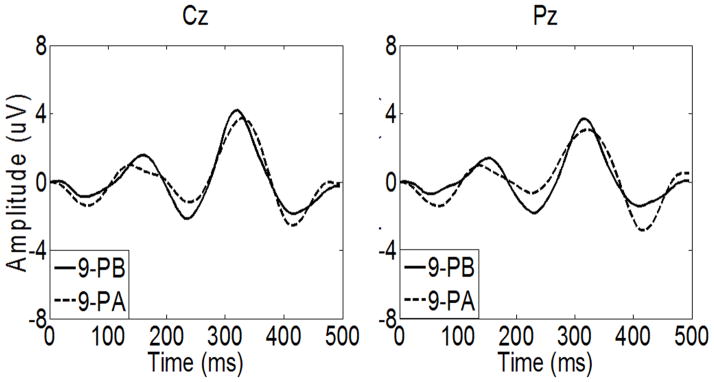
An adaptive P300 brain-computer interface (BCI) using a 12 × 7 matrix explored new paradigms to improve bit rate and accuracy. During online use, the system adaptively selects the number of flashes to average. Five different flash patterns were tested. The 19-flash paradigm represents the typical row/column presentation (i.e. 12 columns and 7 rows). The 9- and 14-flash A and B paradigms present all items of the 12 × 7 matrix three times using either 9 or 14 flashes (instead of 19), decreasing the amount of time to present stimuli. Compared to 9-flash A, 9-flash B decreased the likelihood that neighboring items would flash when the target was not flashing, thereby reducing the interference from items adjacent to targets. 14-flash A also reduced the adjacent item interference and 14-flash B additionally eliminated successive (double) flashes of the same item. Results showed that the accuracy and bit rate of the adaptive system were higher than those of the non-adaptive system. In addition, 9- and 14-flash B produced significantly higher performance than their respective A conditions. The results also show the trend that the 14-flash B paradigm was better than the 19-flash pattern for naive users.
一种使用 12×7 矩阵的自适应 P300 脑机接口 (BCI) 探索了新的范式,以提高比特率和准确性。在线使用时,系统自适应地选择要平均的闪烁次数。测试了五种不同的闪烁模式。19 闪烁范式代表典型的行/列呈现(即 12 列和 7 行)。9 闪烁 A 和 B 范式以及 14 闪烁 A 和 B 范式使用 9 或 14 次闪烁(而不是 19 次)三次呈现 12×7 矩阵的所有项目,从而减少呈现刺激的时间。与 9 闪烁 A 相比,9 闪烁 B 降低了当目标不闪烁时相邻项目闪烁的可能性,从而减少了来自目标相邻项目的干扰。14 闪烁 A 也减少了相邻项目的干扰,而 14 闪烁 B 则消除了相同项目的连续(双重)闪烁。结果表明,自适应系统的准确性和比特率高于非自适应系统。此外,9 闪烁 B 和 14 闪烁 B 产生的性能明显优于各自的 A 条件。结果还表明,对于新手用户,14 闪烁 B 范式优于 19 闪烁模式的趋势。