Center for Eye Disease & Development, Program in Vision Science and School of Optometry, University of California, Berkeley, California, USA.
J Surg Oncol. 2011 May 1;103(6):475-83. doi: 10.1002/jso.21794.
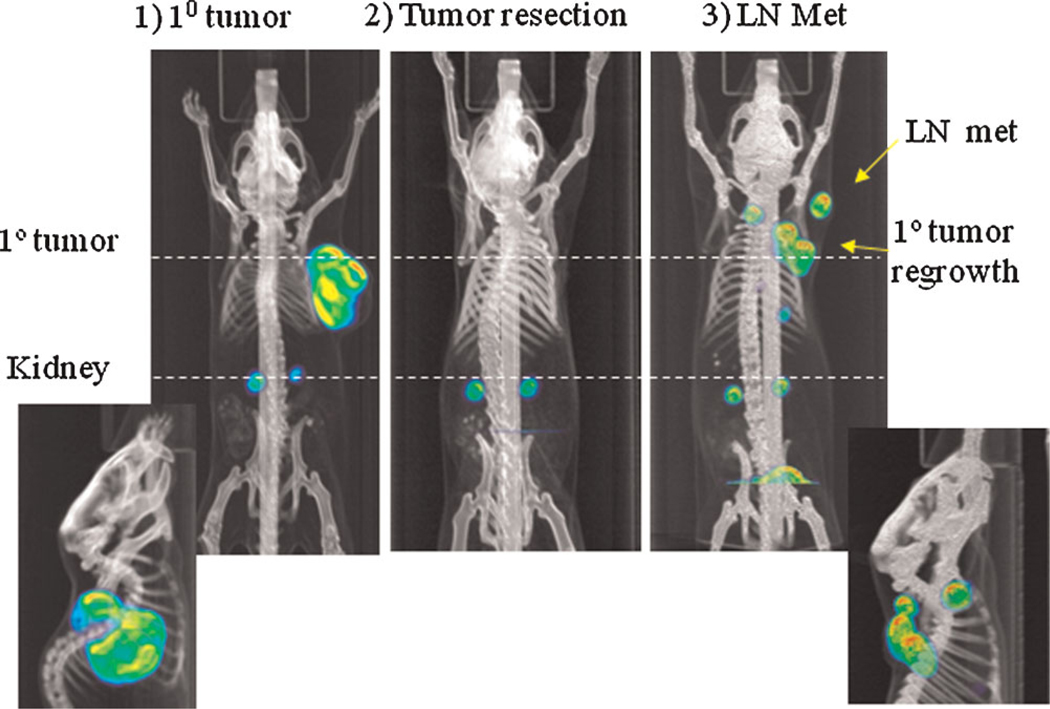
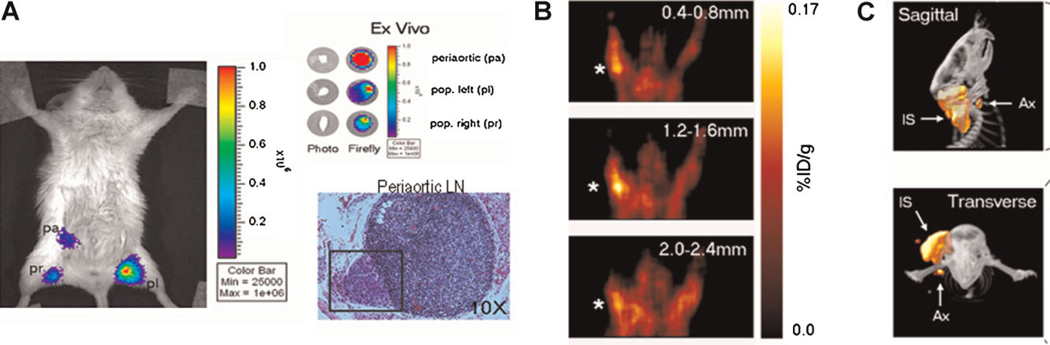
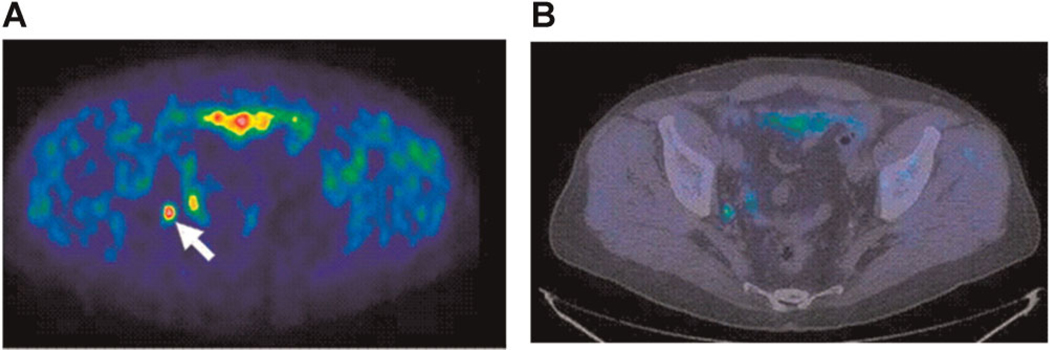
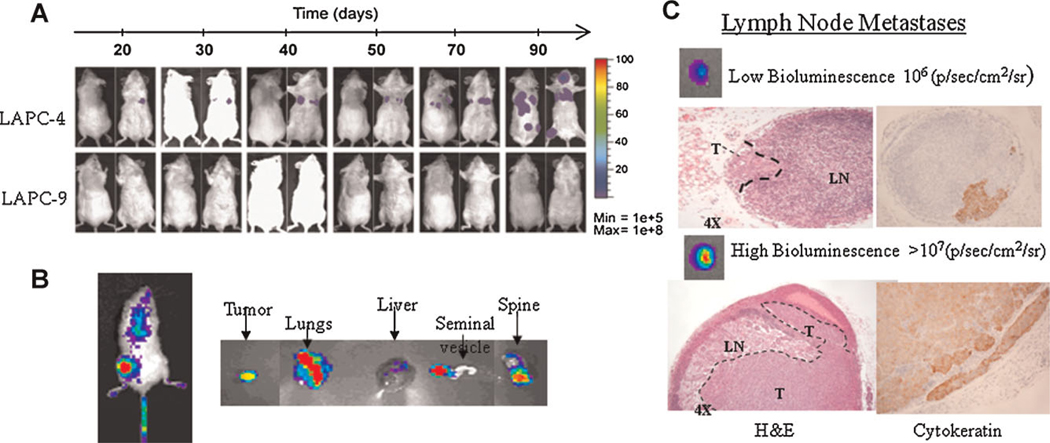
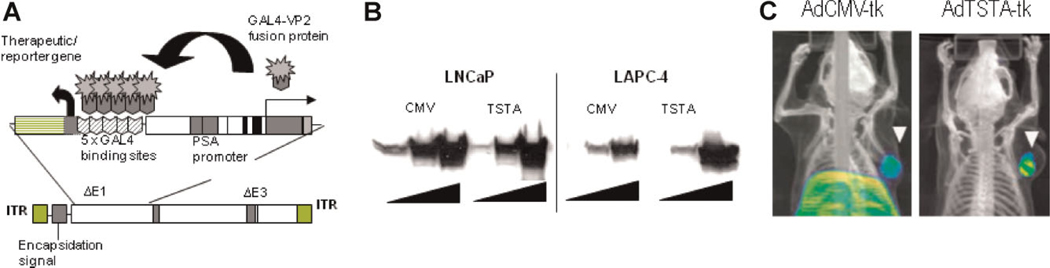
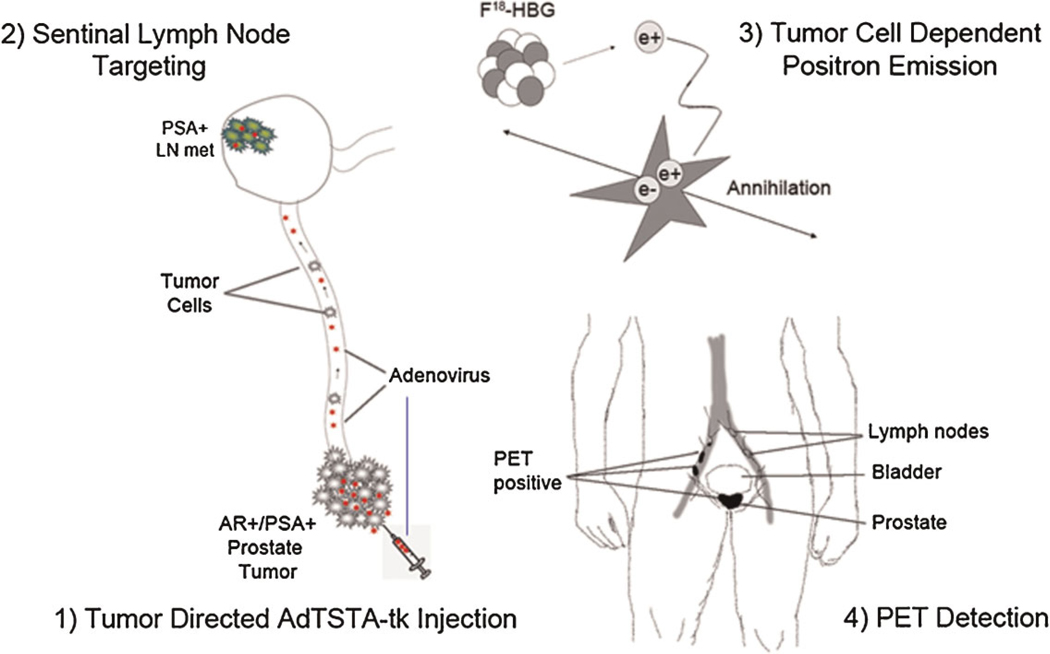
As a model system for the understanding of human cancer, the mouse has proved immensely valuable. Indeed, studies of mouse models have helped to define the nature of cancer as a genetic disease and demonstrated the causal role of genetic events found in tumors. As an experimental platform, they have provided critical insight into the process of tumor metastasis in the lymphovascular system. Once viewed with skepticism, mouse models are now an integral arm of basic and clinical cancer research. The use of a genetically tractable organism that shares organ systems and an immense degree of genetic similarity to humans provides a means to examine multiple features of human disease. Mouse models enable development and testing of new approaches to disease prevention and treatment, identification of early diagnostic markers and novel therapeutic targets, and an understanding of the in vivo biology and genetics of tumor initiation, promotion, progression, and metastasis. This review summarizes recent mouse models for lymphangiogenesis and the process of lymphovascular metastasis, focusing on the use of the cornea as an experimental platform for lymphangiogenesis in inflammation and immunity, and on the use of molecular and viral vector mediated imaging and to identify and monitor lymph node metastases of prostate cancer.
作为理解人类癌症的模型系统,小鼠已被证明具有巨大的价值。事实上,对小鼠模型的研究有助于确定癌症是一种遗传性疾病,并证明了在肿瘤中发现的遗传事件的因果作用。作为一种实验平台,它们为研究肿瘤在淋巴血管系统中的转移过程提供了关键的见解。曾经被怀疑的小鼠模型现在已经成为基础和临床癌症研究不可或缺的一部分。使用一种遗传上可操作的生物体,该生物体与人类共享器官系统和高度的遗传相似性,为研究人类疾病的多个特征提供了一种手段。小鼠模型使新的疾病预防和治疗方法的开发和测试、早期诊断标志物和新的治疗靶点的识别以及肿瘤起始、促进、进展和转移的体内生物学和遗传学的理解成为可能。这篇综述总结了最近用于淋巴管生成和淋巴血管转移的小鼠模型,重点介绍了将角膜用作炎症和免疫中淋巴管生成的实验平台,以及使用分子和病毒载体介导的成像来识别和监测前列腺癌的淋巴结转移。