Department of Food Science, Swedish University of Agricultural Sciences, PO Box 7051, SE-750 07 Uppsala, Sweden.
Nutr J. 2011 Apr 11;10:31. doi: 10.1186/1475-2891-10-31.
The structure of whole grain cereals is maintained to varying degrees during processing and preparation of foods. Food structure can influence metabolism, including perceived hunger and satiety. A diet that enhances satiety per calorie may help to prevent excessive calorie intake. The objective of this work was to compare subjective appetite ratings after consumption of intact and milled rye kernels.
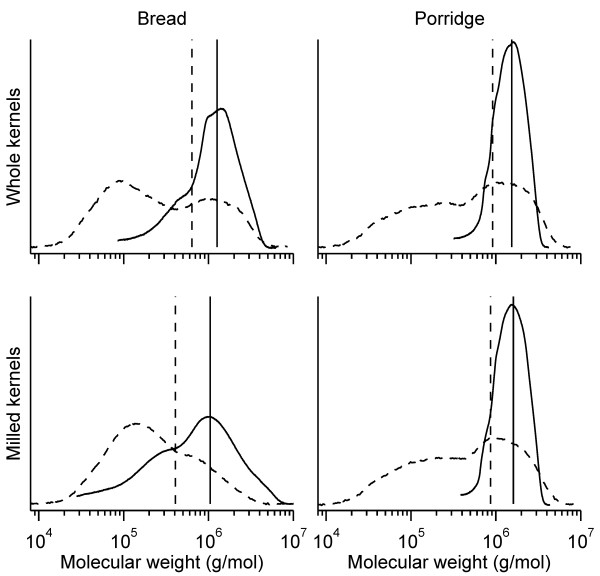
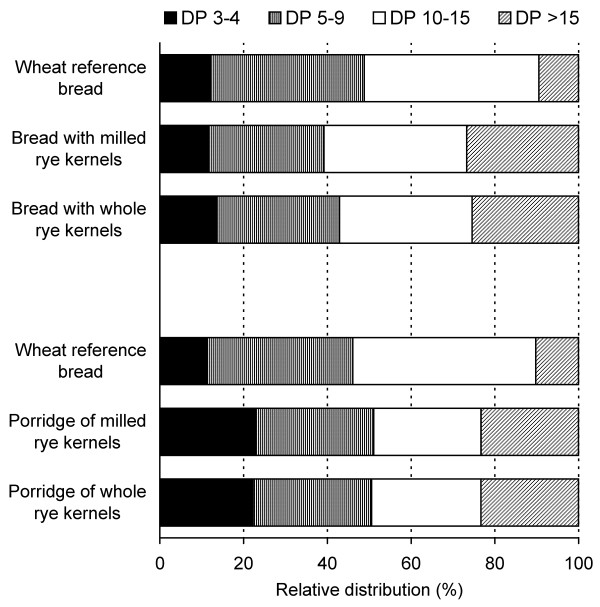
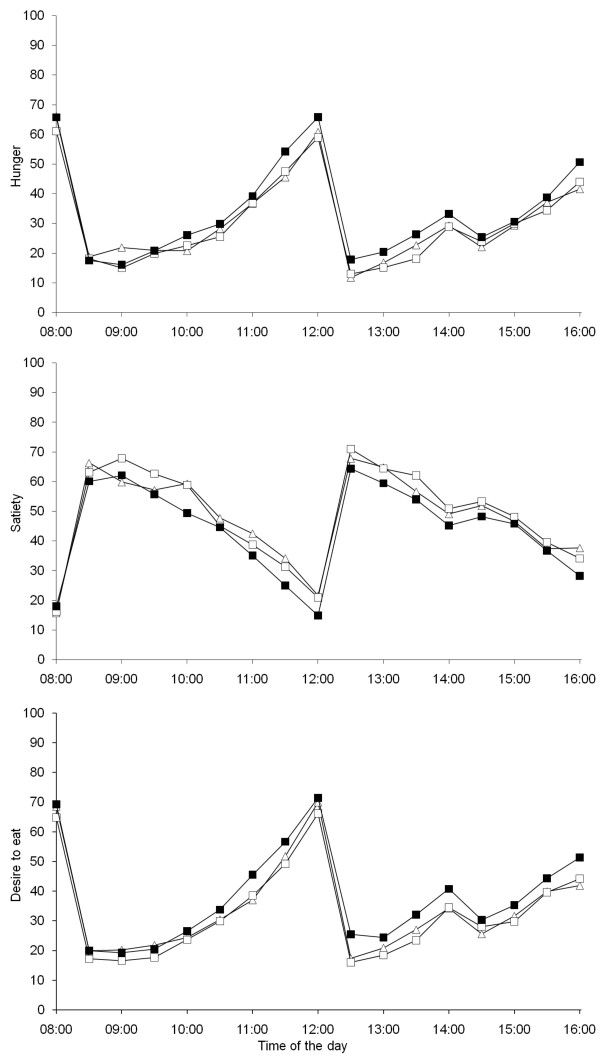
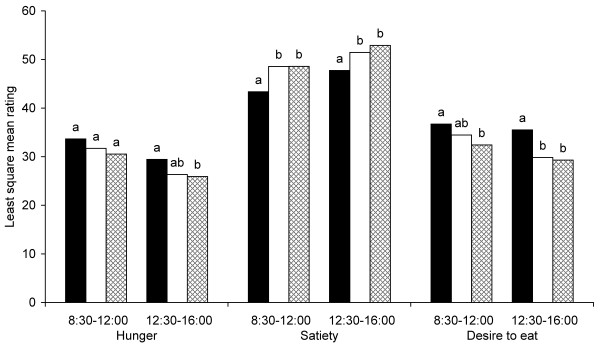
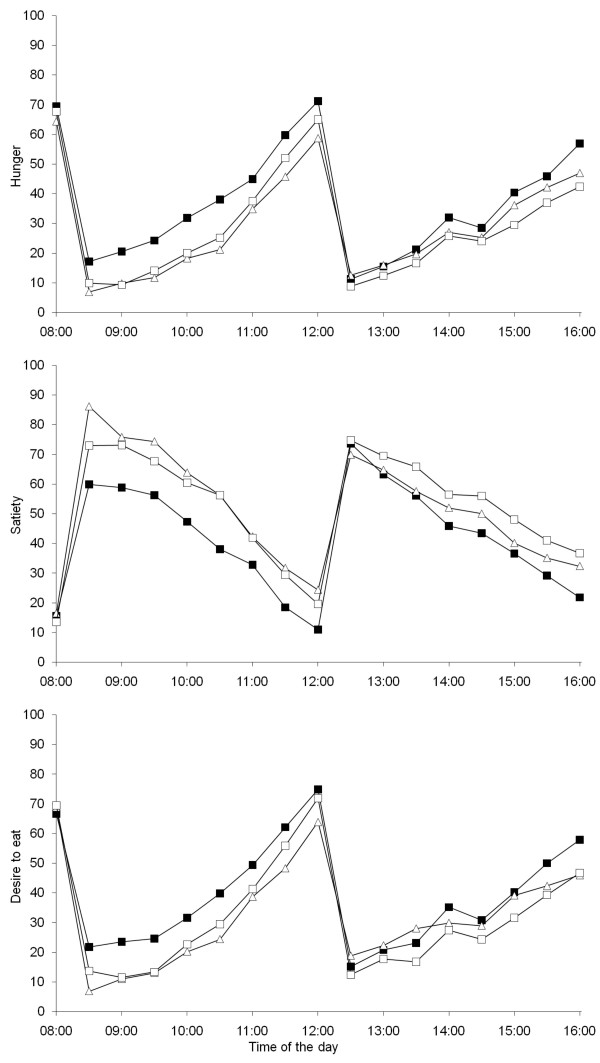
Two studies were performed using a randomized, cross-over design. Ratings for appetite (hunger, satiety and desire to eat) were registered during an 8-h period after consumption of whole and milled rye kernels prepared as breads (study 1, n = 24) and porridges (study 2, n = 20). Sifted wheat bread was used as reference in both study parts and the products were eaten in iso-caloric portions with standardized additional breakfast foods. Breads and porridges were analyzed to determine whether structure (whole vs. milled kernels) effected dietary fibre content and composition after preparation of the products. Statistical evaluation of the appetite ratings after intake of the different breakfasts was done by paired t-tests for morning and afternoon ratings separately, with subjects as random effect and type of breakfast and time points as fixed effects.
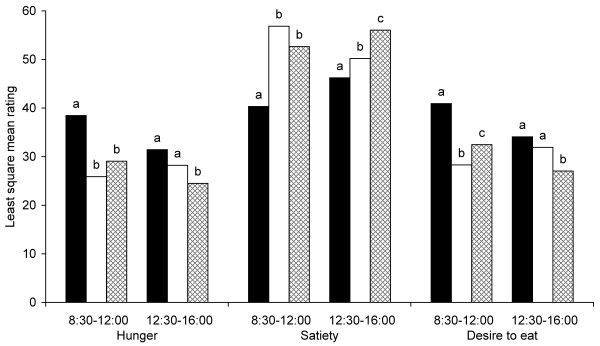
All rye breakfasts resulted in higher satiety ratings in the morning and afternoon compared with the iso-caloric reference breakfast with sifted wheat bread. Rye bread with milled or whole kernels affected appetite equally, so no effect of structure was observed. In contrast, after consumption of the rye kernel breakfast, satiety was increased and hunger suppressed in the afternoon compared with the milled rye kernel porridge breakfast. This effect could be related to structural differences alone, because the products were equal in nutritional content including dietary fibre content and composition.
The study demonstrates that small changes in diet composition such as cereal grain structure have the potential to effect feelings of hunger and satiety.
This trial was registered at clinicaltrials.gov as NCT01042418.
在加工和制备食品的过程中,全谷物的结构会保持不同程度的完整。食物结构可以影响新陈代谢,包括饥饿感和饱腹感。每卡路里摄入增加饱腹感的饮食可能有助于防止过度摄入卡路里。本研究的目的是比较完整和粉碎的黑麦籽粒食用后主观食欲评分。
使用随机交叉设计进行了两项研究。在食用完整和粉碎的黑麦籽粒制备的面包(研究 1,n = 24)和粥(研究 2,n = 20)后的 8 小时期间,记录了对食欲(饥饿感、饱腹感和进食欲望)的评分。在两个研究部分中,均使用筛过的小麦面包作为参考,产品以等热量部分与标准化的额外早餐食品一起食用。分析面包和粥以确定产品制备后结构(完整与粉碎的籽粒)是否影响膳食纤维含量和组成。通过对上午和下午评分分别进行配对 t 检验,对不同早餐后的食欲评分进行统计学评估,以受试者为随机效应,早餐类型和时间点为固定效应。
与等热量参考早餐用筛过的小麦面包相比,所有黑麦早餐在上午和下午均导致更高的饱腹感评分。用粉碎或完整黑麦籽粒制成的黑麦面包对食欲的影响相同,因此未观察到结构的影响。相比之下,与食用粉碎的黑麦籽粒粥早餐相比,食用黑麦籽粒早餐后,下午的饱腹感增加,饥饿感降低。这种效果可能仅与结构差异有关,因为产品在包括膳食纤维含量和组成在内的营养成分方面是相等的。
该研究表明,饮食成分的微小变化,如谷物结构,有可能影响饥饿感和饱腹感。
该试验在 clinicaltrials.gov 上注册为 NCT01042418。