Department of Psychiatry and Behavioral Sciences, 401 Quarry Road, Stanford University, Stanford, CA 94305, USA.
Nat Rev Neurol. 2011 May;7(5):284-94. doi: 10.1038/nrneurol.2011.42. Epub 2011 Apr 12.
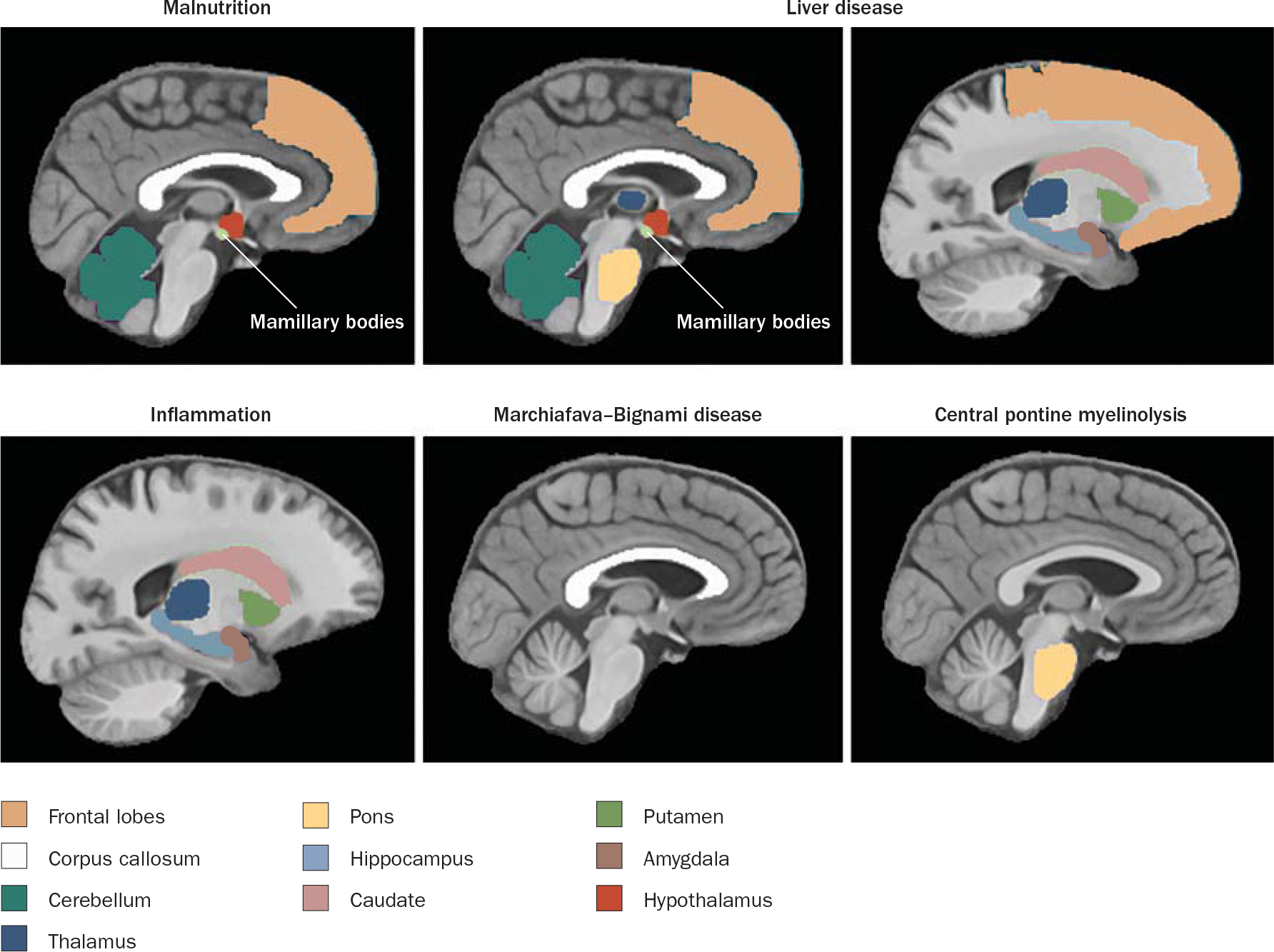
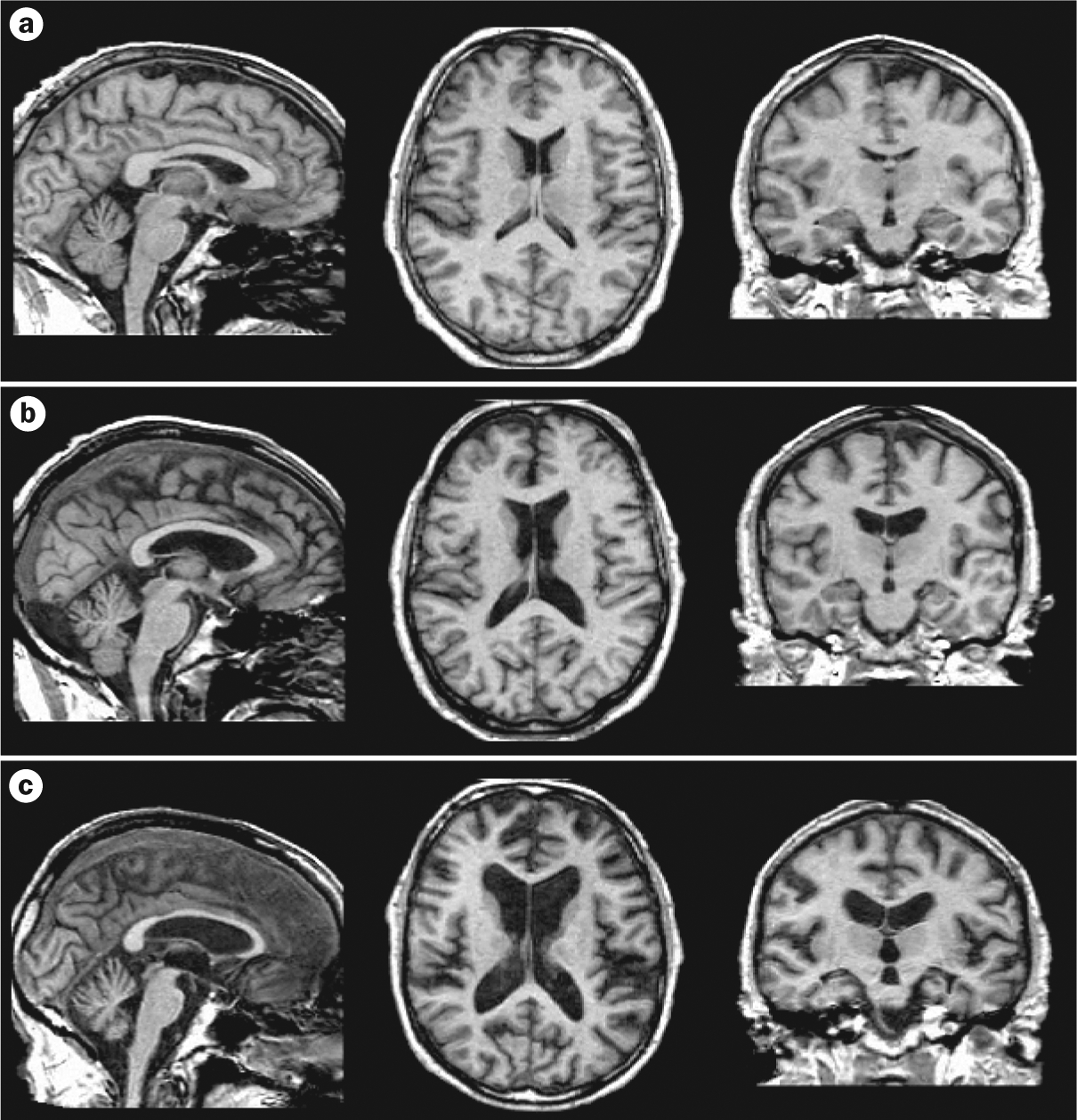
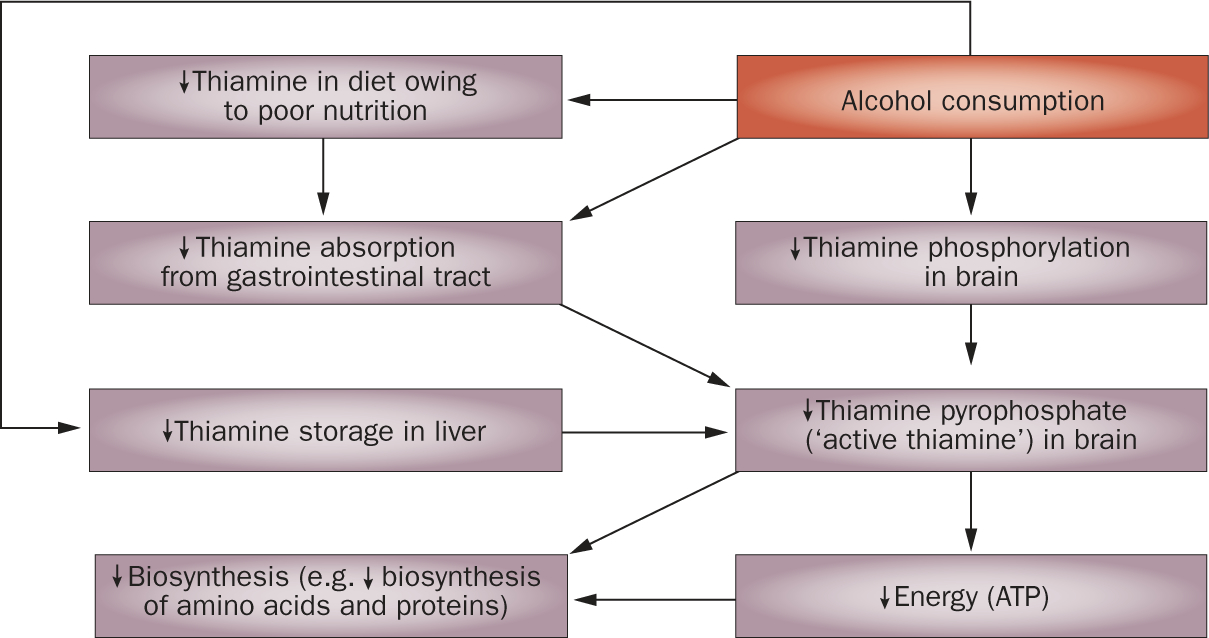
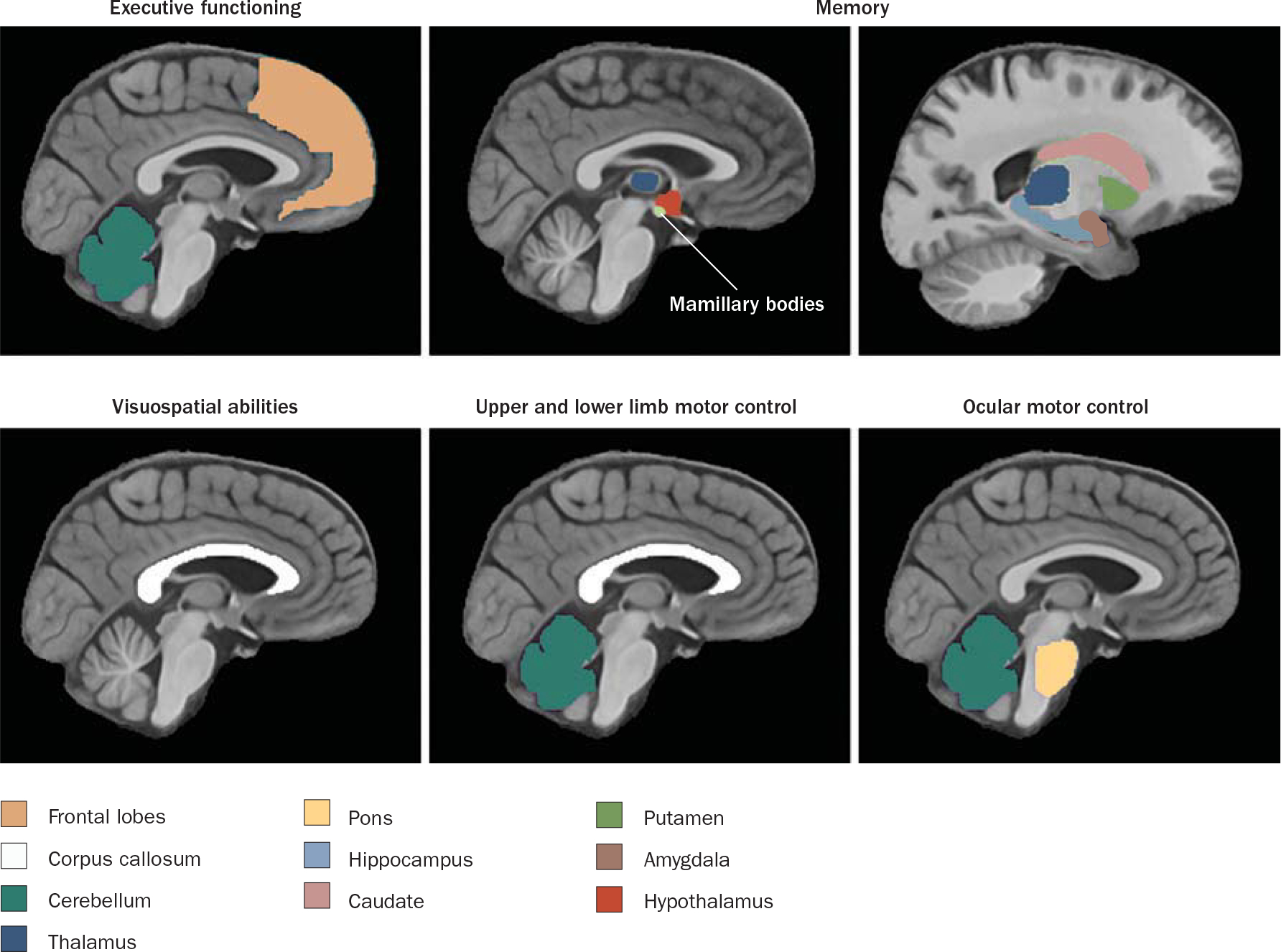
One of the sequelae of chronic alcohol abuse is malnutrition. Importantly, a deficiency in thiamine (vitamin B(1)) can result in the acute, potentially reversible neurological disorder Wernicke encephalopathy (WE). When WE is recognized, thiamine treatment can elicit a rapid clinical recovery. If WE is left untreated, however, patients can develop Korsakoff syndrome (KS), a severe neurological disorder characterized by anterograde amnesia. Alcohol-related brain damage (ARBD) describes the effects of chronic alcohol consumption on human brain structure and function in the absence of more discrete and well-characterized neurological concomitants of alcoholism such as WE and KS. Through knowledge of both the well-described changes in brain structure and function that are evident in alcohol-related disorders such as WE and KS and the clinical outcomes associated with these changes, researchers have begun to gain a better understanding of ARBD. This Review examines ARBD from the perspective of WE and KS, exploring the clinical presentations, postmortem brain pathology, in vivo MRI findings and potential molecular mechanisms associated with these conditions. An awareness of the consequences of chronic alcohol consumption on human behavior and brain structure can enable clinicians to improve detection and treatment of ARBD.
慢性酒精滥用的后遗症之一是营养不良。重要的是,硫胺素(维生素 B(1)) 缺乏可导致急性、潜在可逆转的神经系统疾病威尼克脑病 (WE)。当 WE 被识别出来时,给予硫胺素治疗可以迅速恢复临床症状。然而,如果 WE 得不到治疗,患者可能会发展为科萨科夫综合征 (KS),这是一种严重的神经系统疾病,其特征是顺行性遗忘。酒精相关脑损伤 (ARBD) 描述了慢性酒精摄入对人类大脑结构和功能的影响,而没有更离散和特征明确的酗酒相关神经系统并发症,如 WE 和 KS。通过了解在 WE 和 KS 等与酒精相关的疾病中明显存在的大脑结构和功能的明确变化,以及与这些变化相关的临床结果,研究人员开始更好地理解 ARBD。这篇综述从 WE 和 KS 的角度探讨了 ARBD,探讨了这些疾病的临床表现、死后大脑病理学、体内 MRI 发现和潜在的分子机制。了解慢性酒精摄入对人类行为和大脑结构的影响,可以使临床医生更好地发现和治疗 ARBD。