Li Calzi Sergio, Neu Matthew B, Shaw Lynn C, Grant Maria B
Department of Pharmacology and Therapeutics, University of Florida, Gainesville, FL, USA.
EPMA J. 2010 Mar 1;1(1):88-100. doi: 10.1007/s13167-010-0011-8.
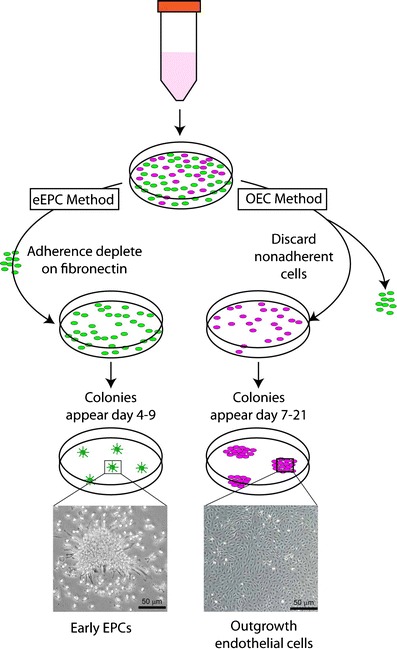
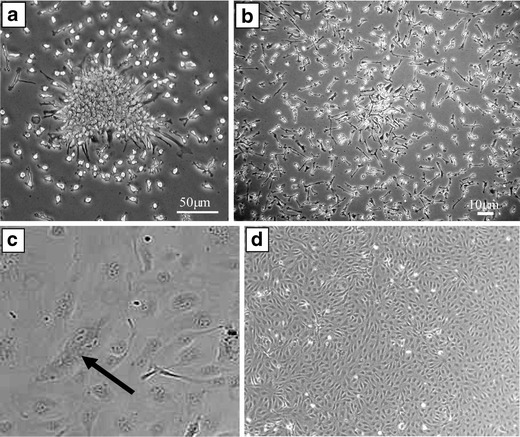
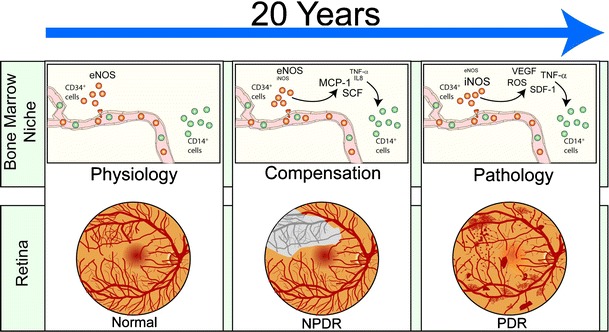
Progressive obliteration of the retinal microvessels is a characteristic of diabetic retinopathy and the resultant retinal ischemia can lead to sight-threatening macular edema, macular ischemia and ultimately preretinal neovascularization. Bone marrow derived endothelial progenitor cells (EPCs) play a critical role in vascular maintenance and repair. There is still great debate about the most appropriate markers that define an EPC. EPCs can be isolated using cell sorting by surface phenotype selection or in vitro cell culture. For freshly isolated cells, EPC cell sorting is heavily dependent on the surface markers used; EPCs can also be isolated by in vitro propagation of heterogeneous mixtures of cells in culture using adhesion to specific substrates and cell growth characteristics. in vitro isolation enables consistent reproducibility and using this approach at least two distinct types of EPCs with different angiogenic properties have been identified from adult peripheral and umbilical cord blood; early EPCs (eEPCs) and late outgrowth endothelial progenitor cells (OECs). Emerging studies demonstrate the potential of these cells in revascularization of ischemic/injured retina in animal models of retinal disease. Since ischemic retinopathies are leading causes of blindness, they are a potential disease target for EPC-based therapy. In this chapter, we summarize the current knowledge about EPCs and discuss the possibility of cellular therapy for treatment of diabetic macular ischemia and the vasodegenerative phase of diabetic retinopathy. We also report current pharmacological options that can be utilized to correct diabetes associated defects in EPCs so as to enhance the therapeutic utility of these cells.
视网膜微血管的进行性闭塞是糖尿病视网膜病变的一个特征,由此导致的视网膜缺血可引发威胁视力的黄斑水肿、黄斑缺血,并最终导致视网膜前新生血管形成。骨髓来源的内皮祖细胞(EPCs)在血管维持和修复中起关键作用。关于定义EPC的最合适标志物仍存在很大争议。EPCs可以通过基于表面表型选择的细胞分选或体外细胞培养来分离。对于新鲜分离的细胞,EPC细胞分选在很大程度上依赖于所使用的表面标志物;EPCs也可以通过在培养中利用细胞对特定底物的黏附以及细胞生长特性对异质细胞混合物进行体外增殖来分离。体外分离能够实现一致的可重复性,并且使用这种方法已从成人外周血和脐带血中鉴定出至少两种具有不同血管生成特性的不同类型的EPCs:早期EPCs(eEPCs)和晚期迁出内皮祖细胞(OECs)。新兴研究表明这些细胞在视网膜疾病动物模型的缺血/损伤视网膜血管再生中的潜力。由于缺血性视网膜病变是失明的主要原因,它们是基于EPC治疗的潜在疾病靶点。在本章中,我们总结了关于EPCs的当前知识,并讨论了细胞治疗糖尿病性黄斑缺血和糖尿病视网膜病变血管退变阶段的可能性。我们还报告了目前可用于纠正与糖尿病相关的EPC缺陷从而增强这些细胞治疗效用的药理学选择。