Department of Biological Science, National University of Singapore, 10 Kent Ridge Crescent, Singapore 119260, Singapore.
Int J Biol Sci. 2011 Apr 13;7(4):392-402. doi: 10.7150/ijbs.7.392.
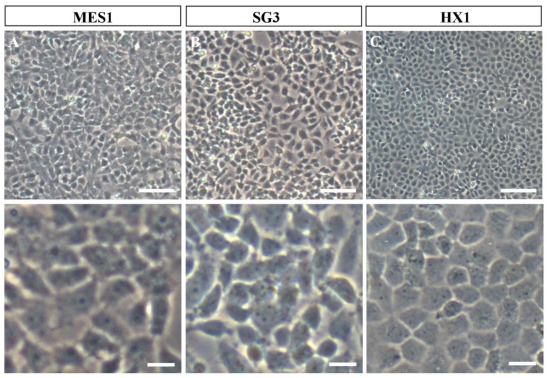
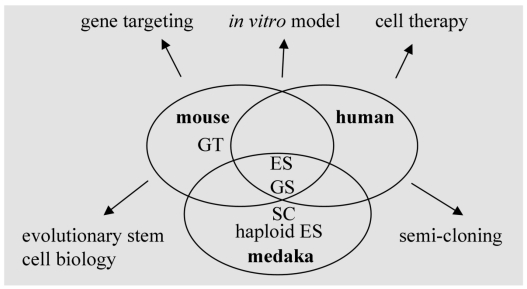
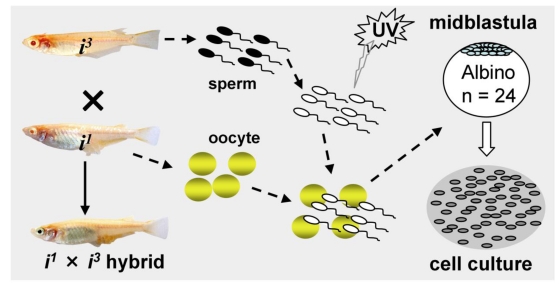
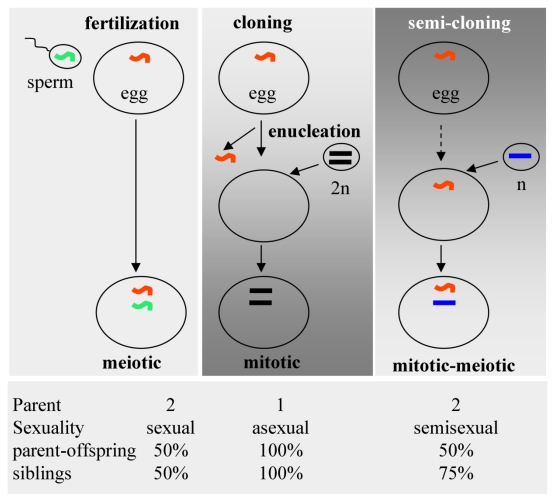
Stem cells have the potential for self-renewal and differentiation. First stem cell cultures were derived 30 years ago from early developing mouse embryos. These are pluripotent embryonic stem (ES) cells. Efforts towards ES cell derivation have been attempted in other mammalian and non-mammalian species. Work with stem cell culture in fish started 20 years ago. Laboratory fish species, in particular zebrafish and medaka, have been the focus of research towards stem cell cultures. Medaka is the second organism that generated ES cells and the first that gave rise to a spermatogonial stem cell line capable of test-tube sperm production. Most recently, the first haploid stem cells capable of producing whole animals have also been generated from medaka. ES-like cells have been reported also in zebrafish and several marine species. Attempts for germline transmission of ES cell cultures and gene targeting have been reported in zebrafish. Recent years have witnessed the progress in markers and procedures for ES cell characterization. These include the identification of fish homologs/paralogs of mammalian pluripotency genes and parameters for optimal chimera formation. In addition, fish germ cell cultures and transplantation have attracted considerable interest for germline transmission and surrogate production. Haploid ES cell nuclear transfer has proven in medaka the feasibility of semi-cloning as a novel assisted reproductive technology. In this special issue on "Fish Stem Cells and Nuclear Transfer", we will focus our review on medaka to illustrate the current status and perspective of fish stem cells in research and application. We will also mention semi-cloning as a new development to conventional nuclear transfer.
干细胞具有自我更新和分化的潜力。30 年前,人们首次从早期发育的小鼠胚胎中培养出干细胞。这些是多能胚胎干细胞(ES 细胞)。人们尝试在其他哺乳动物和非哺乳动物中提取 ES 细胞。20 年前,人们开始研究鱼类干细胞培养。实验室鱼类,尤其是斑马鱼和日本青鳉,一直是研究干细胞培养的重点。日本青鳉是继小鼠之后第二个产生 ES 细胞的生物,也是第一个产生精原干细胞系的生物,该细胞系能够在试管中产生精子。最近,也首次从日本青鳉中产生了能够产生完整动物的单倍体干细胞。斑马鱼和几种海洋物种中也报道了类似 ES 细胞的存在。在斑马鱼中已经报道了 ES 细胞系的生殖系传递和基因靶向的尝试。近年来,ES 细胞特征的标记物和程序取得了进展。这些包括鉴定鱼类与哺乳动物多能性基因的同源物/旁系同源物,以及优化嵌合体形成的参数。此外,鱼类生殖细胞培养和移植因其在生殖系传递和代孕生产方面的吸引力而受到广泛关注。在日本青鳉中,单倍体 ES 细胞核转移证明了半克隆作为一种新型辅助生殖技术的可行性。在本期关于“鱼类干细胞和核转移”的特刊中,我们将重点关注日本青鳉,以说明鱼类干细胞在研究和应用中的现状和前景。我们还将提到半克隆作为常规核转移的新发展。