Demirci Bio-Acoustic-MEMS in Medicine Laboratory, Department of Medicine, Center for Biomedical Engineering, Brigham and Women's Hospital, Harvard Medical School, Boston, Massachusetts, United States of America.
PLoS One. 2011 Apr 28;6(4):e19344. doi: 10.1371/journal.pone.0019344.
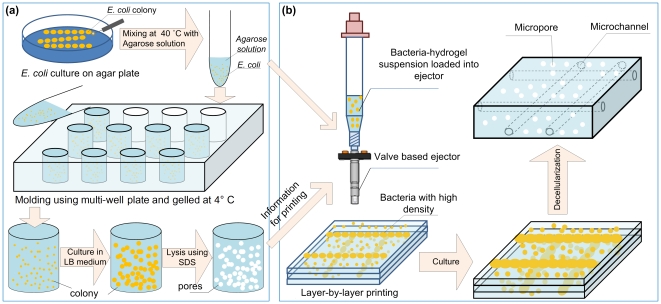
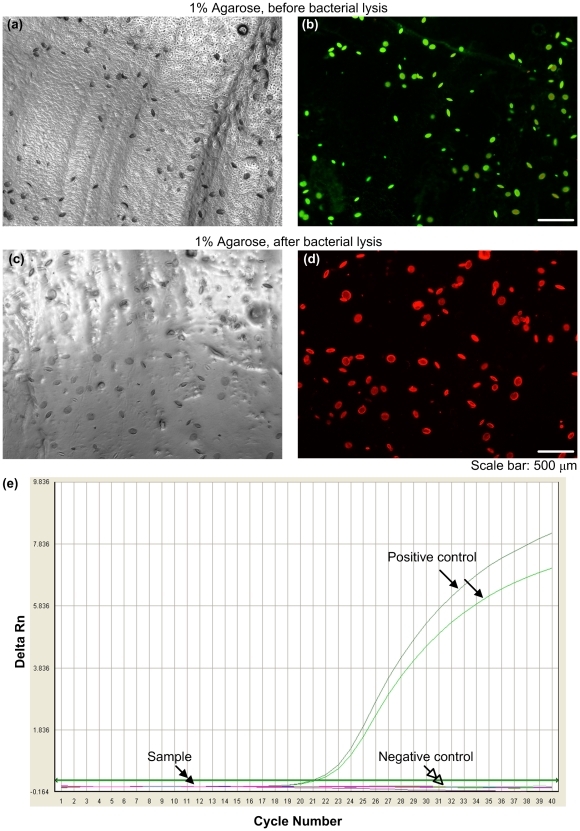
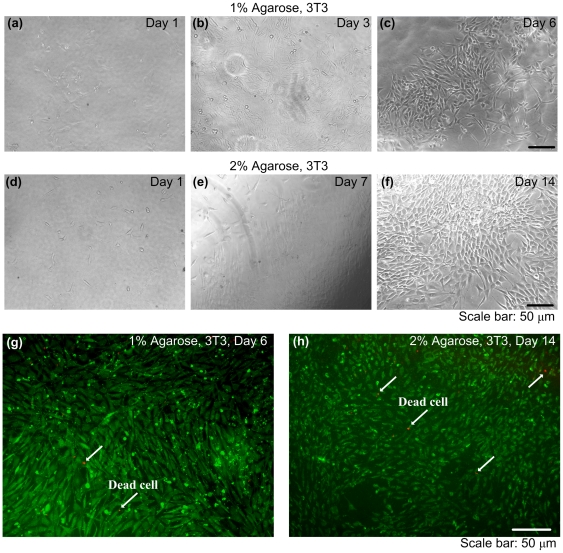
Decellularization and cellularization of organs have emerged as disruptive methods in tissue engineering and regenerative medicine. Porous hydrogel scaffolds have widespread applications in tissue engineering, regenerative medicine and drug discovery as viable tissue mimics. However, the existing hydrogel fabrication techniques suffer from limited control over pore interconnectivity, density and size, which leads to inefficient nutrient and oxygen transport to cells embedded in the scaffolds. Here, we demonstrated an innovative approach to develop a new platform for tissue engineered constructs using live bacteria as sacrificial porogens. E.coli were patterned and cultured in an interconnected three-dimensional (3D) hydrogel network. The growing bacteria created interconnected micropores and microchannels. Then, the scafold was decellularized, and bacteria were eliminated from the scaffold through lysing and washing steps. This 3D porous network method combined with bioprinting has the potential to be broadly applicable and compatible with tissue specific applications allowing seeding of stem cells and other cell types.
器官的去细胞化和再细胞化已成为组织工程和再生医学中的颠覆性方法。多孔水凝胶支架作为可行的组织模拟物,在组织工程、再生医学和药物发现中具有广泛的应用。然而,现有的水凝胶制造技术对孔连通性、密度和大小的控制有限,这导致嵌入支架中的细胞的营养物质和氧气传输效率低下。在这里,我们展示了一种使用活细菌作为牺牲性成孔剂来开发组织工程构建体新平台的创新方法。大肠杆菌被图案化并在相互连接的三维(3D)水凝胶网络中培养。生长中的细菌会产生相互连通的微孔和微通道。然后,支架被去细胞化,细菌通过裂解和洗涤步骤从支架中去除。这种 3D 多孔网络方法与生物打印相结合具有广泛的适用性和与组织特定应用的兼容性,允许干细胞和其他细胞类型的接种。